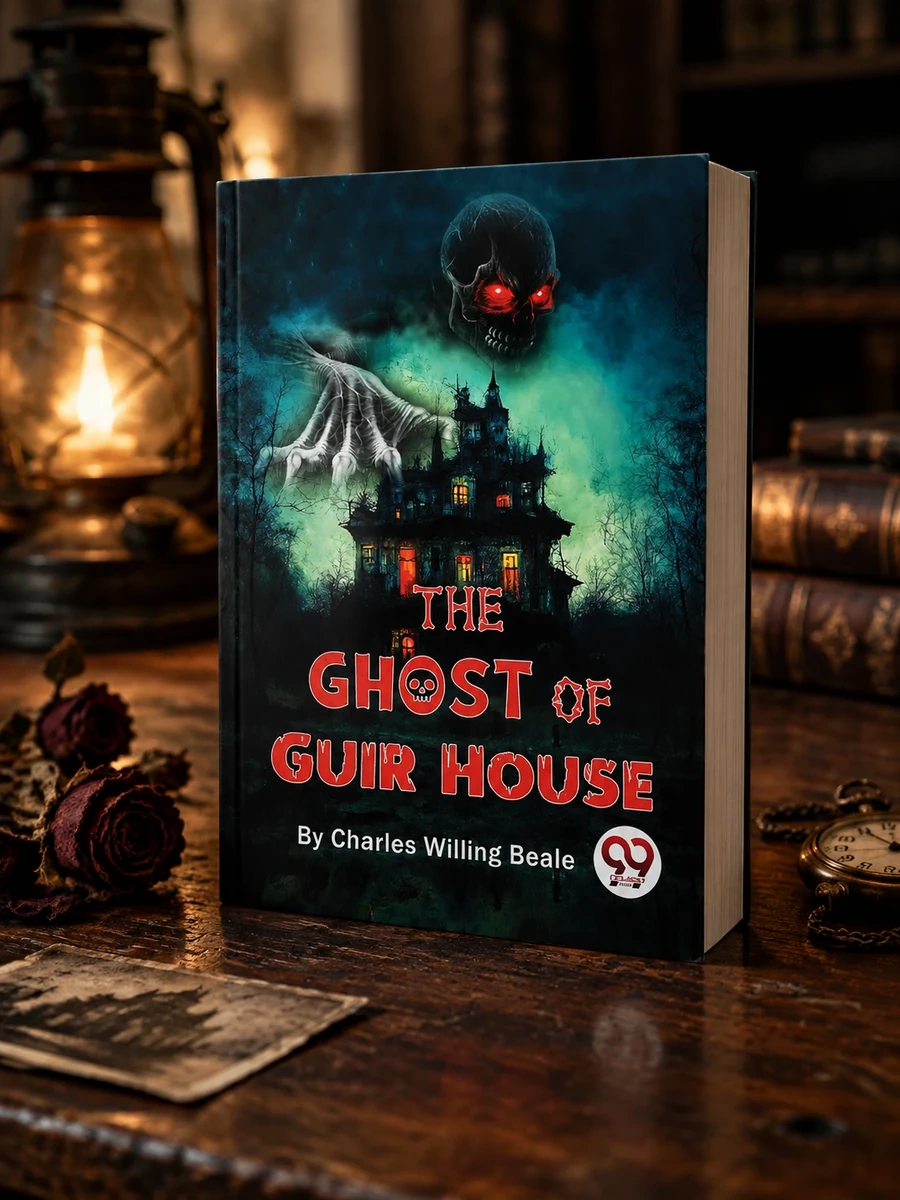
The Ghost Of Guir House
A 1897 hybrid novel blending gothic romance with socialist philosophy.
The narrative centers on three quirky characters confined in a haunted setting. Their dialogue serves as the primary vehicle for Beale’s exploration of theosophical ideas. The text moves away from standard horror tropes to examine moral questions and psychological states. It critiques society while maintaining a romantic plotline that keeps readers engaged until the final pages. The author uses the ghost story framework to discuss complex topics like hypnotism. This structural choice allows for a unique examination of evil and virtue through the lens of early socialist thought.
Published in 1897 by an American author, this work reflects late nineteenth-century interests in the occult and socialism. It bridges the gap between supernatural fiction and political theory, offering a glimpse into the intellectual debates of that specific historical moment.


📝 Description: The Ghost Of Guir House
💎 Our verdict on The Ghost Of Guir House
📖 Why choose it
Why this book is worth reading
This book offers a unique experience for readers who appreciate the convergence of supernatural fiction and ideological debate. It is particularly valuable for those interested in late nineteenth-century occultism, socialist literature, or the evolution of ghost stories beyond simple terror. The text provides a distinct perspective on moral questions through the lens of early socialist thought, making it relevant for scholars and enthusiasts of turn-of-the-century social theory. Readers who enjoy psychological exploration over standard horror tropes will find its examination of evil and virtue through philosophical dialogue compelling. It serves as an engaging study of how romantic plots can be used to advocate for societal change while maintaining a mysterious atmosphere.
⭐ Reader reviews
Reader rating
Charles Willing Beale crafts a hybrid narrative that defies easy categorization, blending gothic romance with dense theosophical philosophy. The text stands out for its deliberate avoidance of traditional Gothic styling in favor of moral and psychological exploration. By confining three quirky characters within a haunted setting, Beale uses their extended dialogues to dissect hypnotism and emanationist theories. This structural choice allows for a sophisticated societal critique advocating socialism, balanced against an engaging romantic plotline. While the protracted philosophical discussions may challenge those seeking straightforward horror, the work remains compelling through its unique blend of supernatural elements and ideological debate. It is best suited for readers who appreciate the intersection of supernatural fiction and social theory from the turn of the century.
📖 Read on the blog
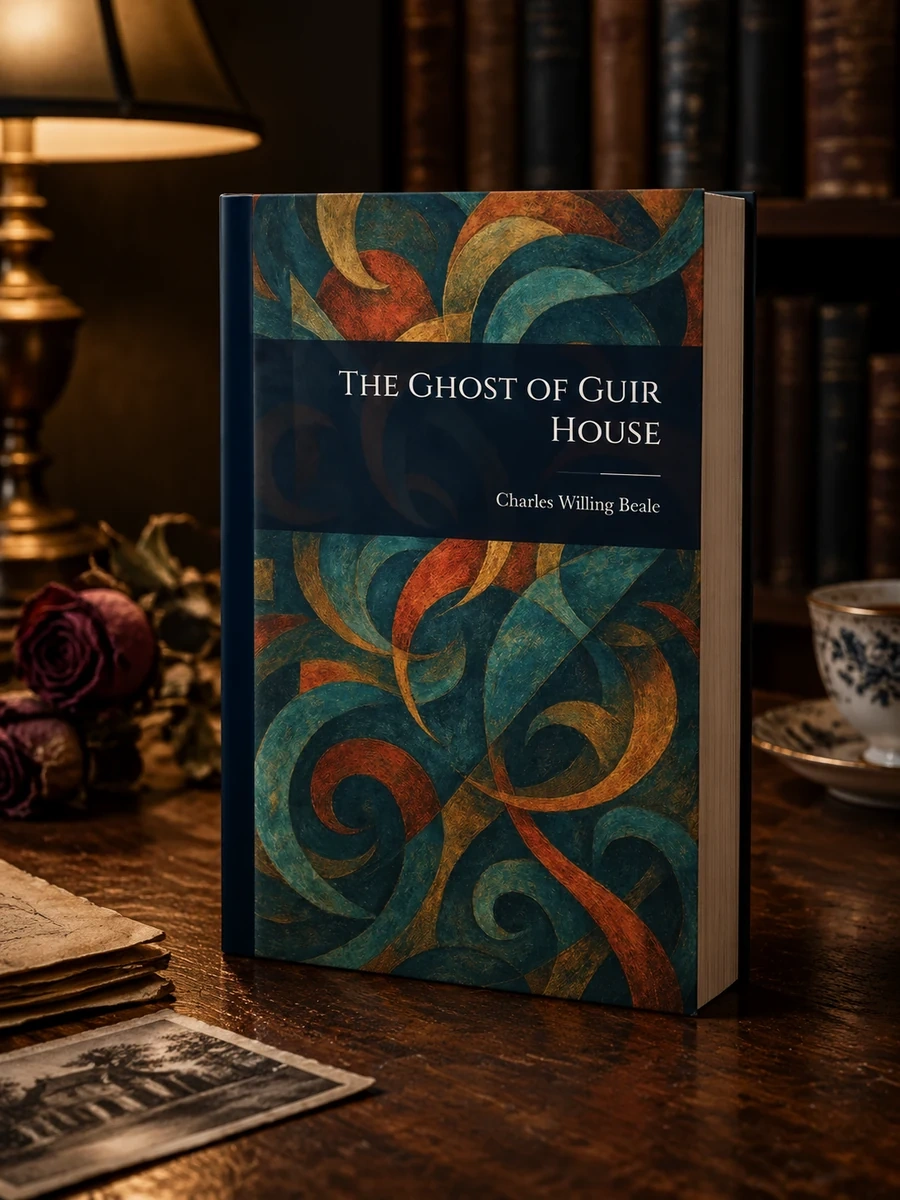
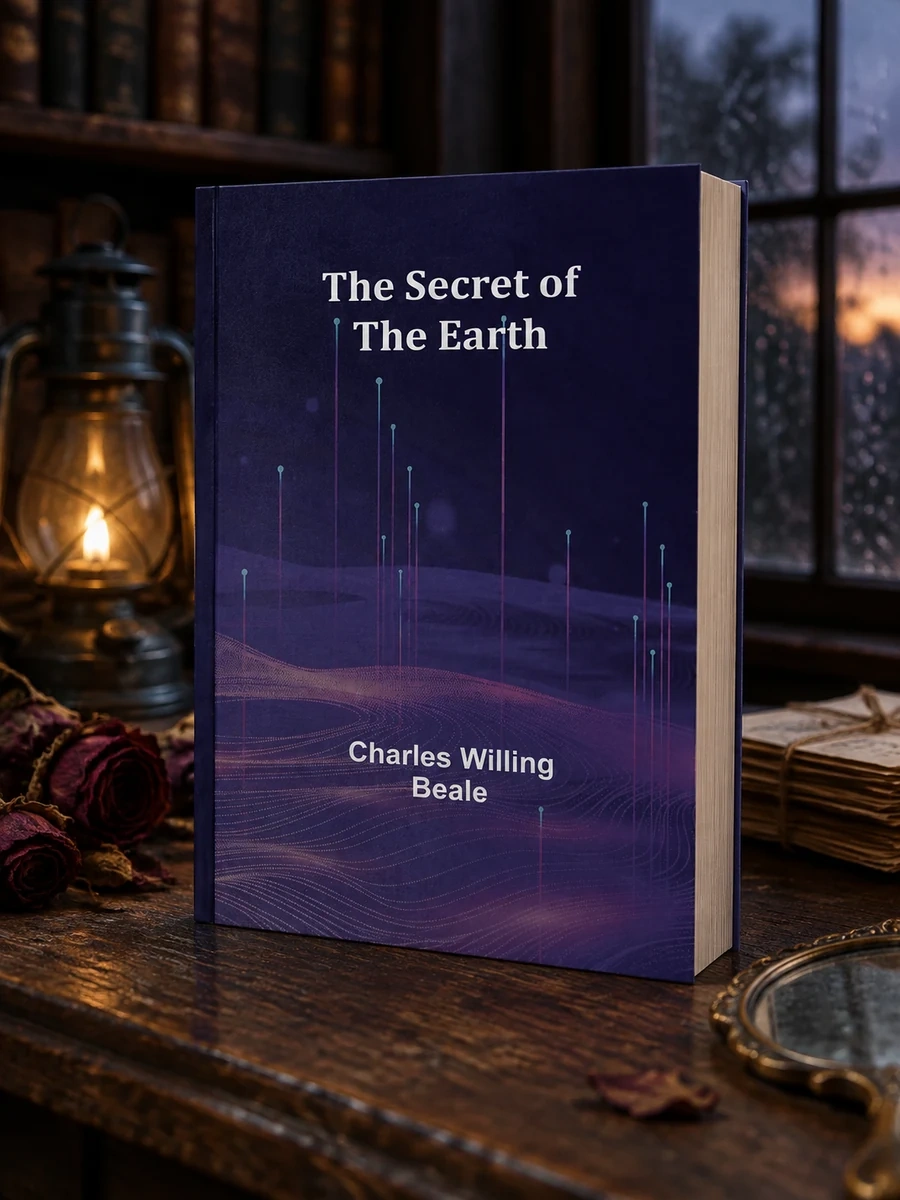
✍️ More books by this author Charles Willing Beale


🏛 Books from this publisher Double 9 Booksllp

You might also like
See more →

Have a question about this item?
Ask about the edition, condition, delivery or anything else — we reply by email or phone, usually within a day.
