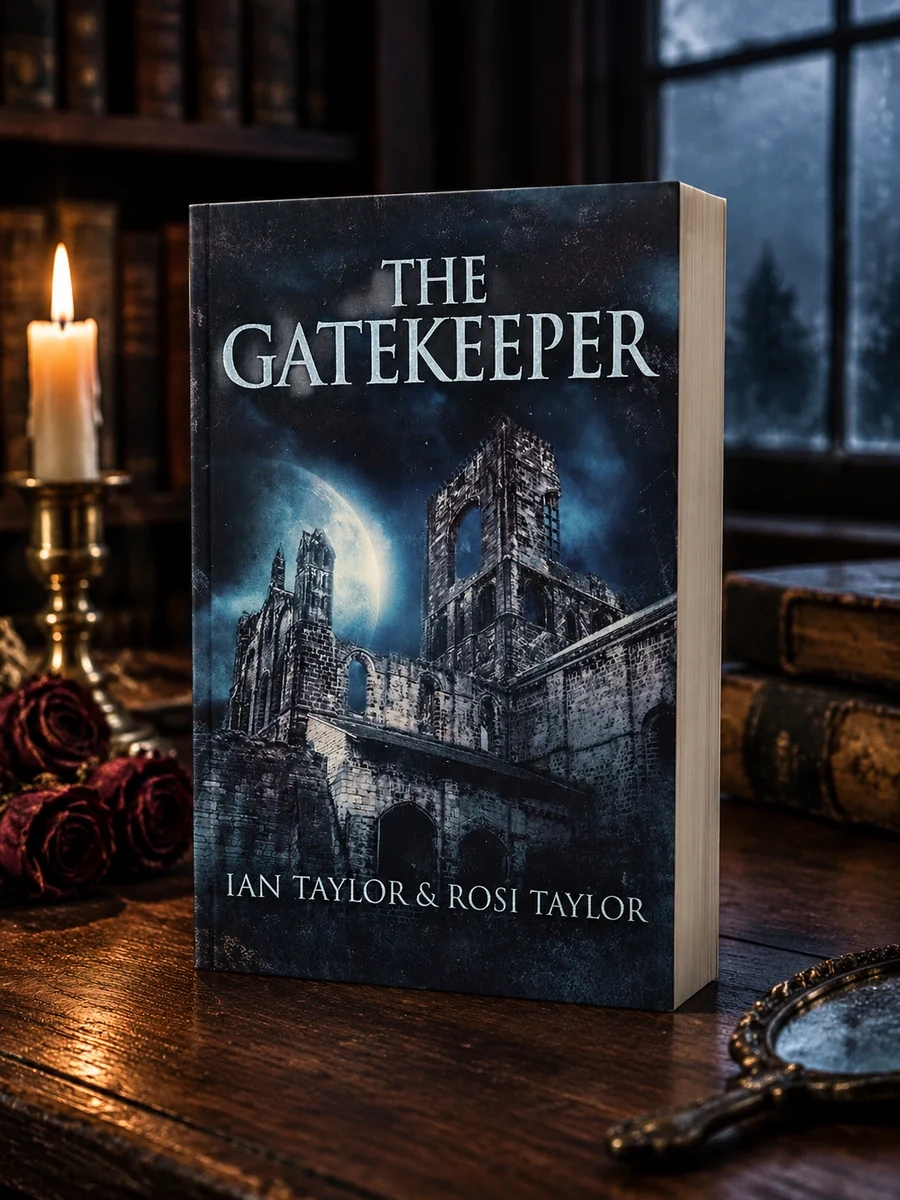
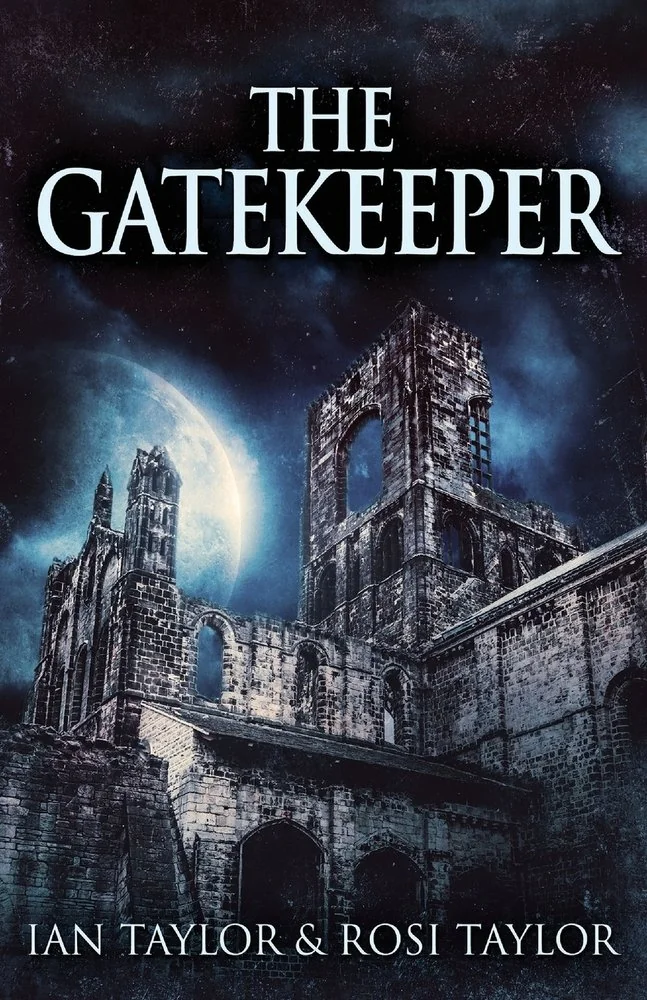
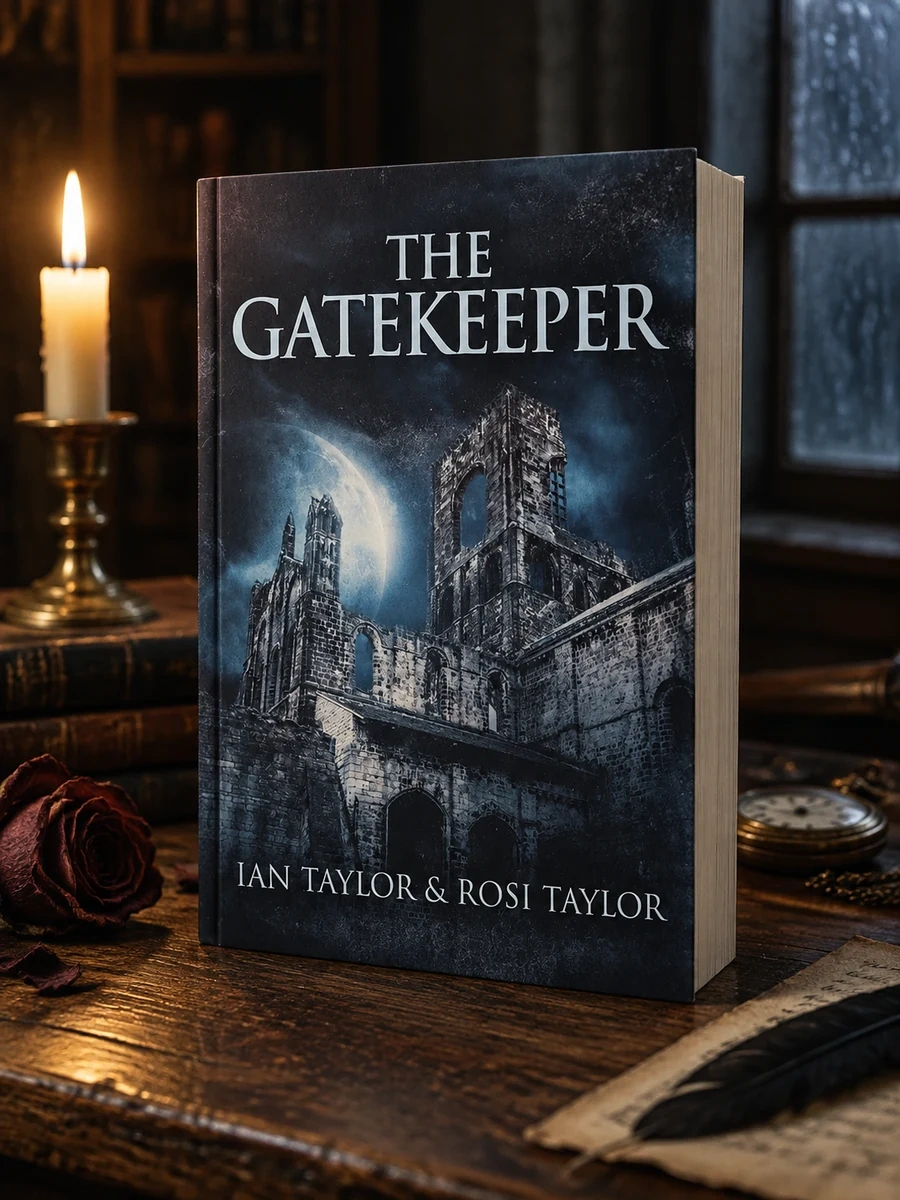
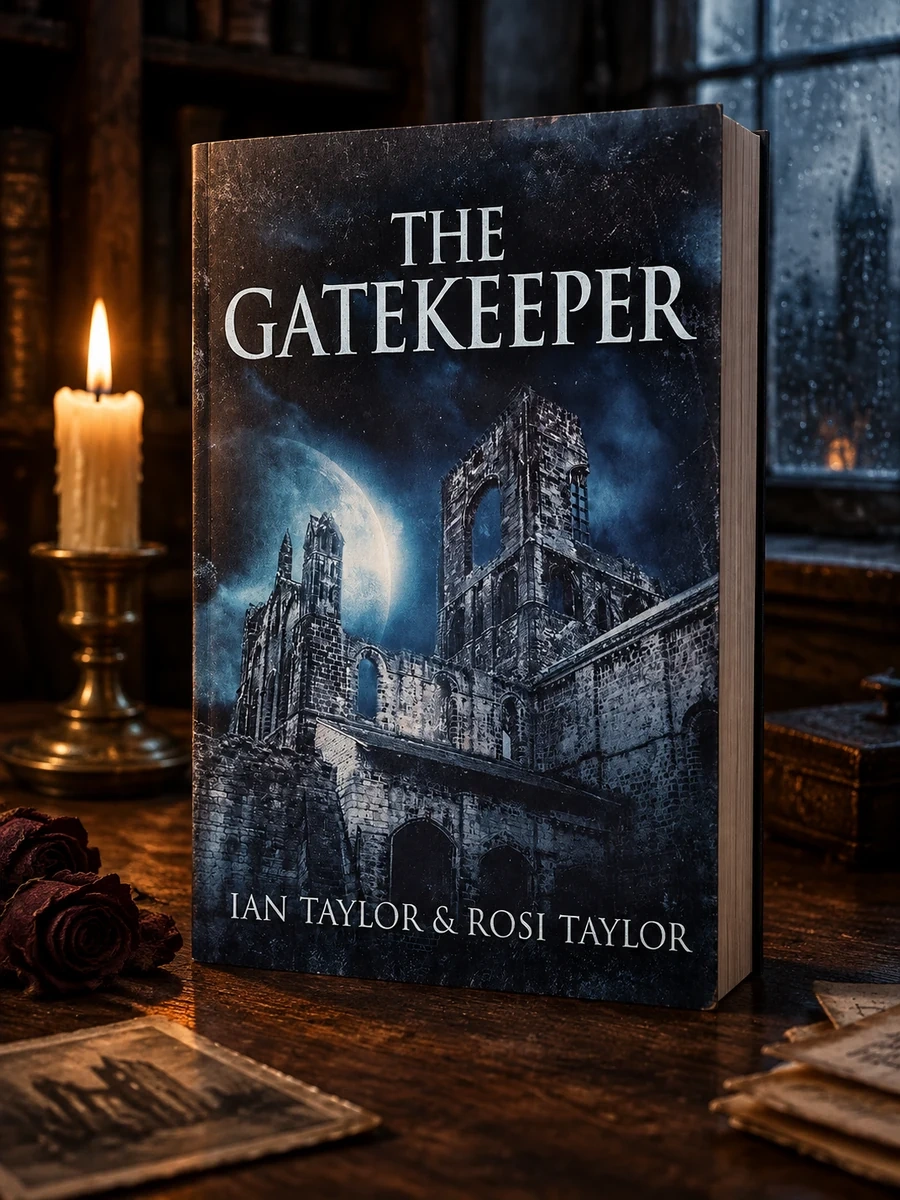
The Gatekeeper
A vicar battles sorcery and church politics to save his transformed wife.
Taylor explores the fragility of faith through Paul Milton’s experience. The narrative contrasts Paul’s previous triumphs with his current helplessness. Sarah’s emotional fragility is highlighted as she becomes an English rose in name only, losing her former self. The conflict is not merely spiritual but physical and magical. Dodds represents institutional pressure, while Olwen embodies ancient, pagan power. Paul must choose between the church he serves and the woman he loves. The plot relies on the looming threat of All Saints' Eve to drive the action forward. It is a study of desperation rather than heroism.
The story is set in rural England, contrasting with Paul’s South London past. It draws on Celtic traditions through the character of Olwen and Christian ecclesiastical structures via Julius Dodds. The narrative engages with the supernatural fiction genre, specifically focusing on gothic horror elements within a modern context.


📝 Description: The Gatekeeper
💎 Our verdict on The Gatekeeper
📖 Why choose it
Why this book is worth reading
Readers who appreciate psychological horror grounded in gothic atmosphere will find this narrative compelling. It offers a study of desperation rather than traditional heroism, exploring the fragility of faith through Paul Milton’s experience. Those interested in the tension between institutional pressure and ancient magic, particularly within a rural setting, will engage with the conflict between church politics and sorcery. The book suits those who enjoy stories where personal loss drives the plot against looming supernatural threats, emphasizing emotional fragility over action.
⭐ Reader reviews
Reader rating
Taylor effectively utilizes the setting to heighten the sense of isolation and dread as Paul Milton’s world unravels. The portrayal of Sarah’s transformation serves as a poignant metaphor for lost identity, grounding the supernatural elements in human tragedy. The narrative excels in building tension through the approaching deadline of All Saints' Eve, creating a palpable sense of urgency without resorting to cheap scares. It is best suited for readers who prefer atmospheric dread and complex moral dilemmas over straightforward monster hunting. The exploration of Paul’s crisis of faith adds depth, making the horror feel personal and inevitable rather than arbitrary.
📖 Read on the blog
✍️ More books by this author Ian Taylor


🏛 Books from this publisher Next Chapter
You might also like
See more →

Have a question about this item?
Ask about the edition, condition, delivery or anything else — we reply by email or phone, usually within a day.
