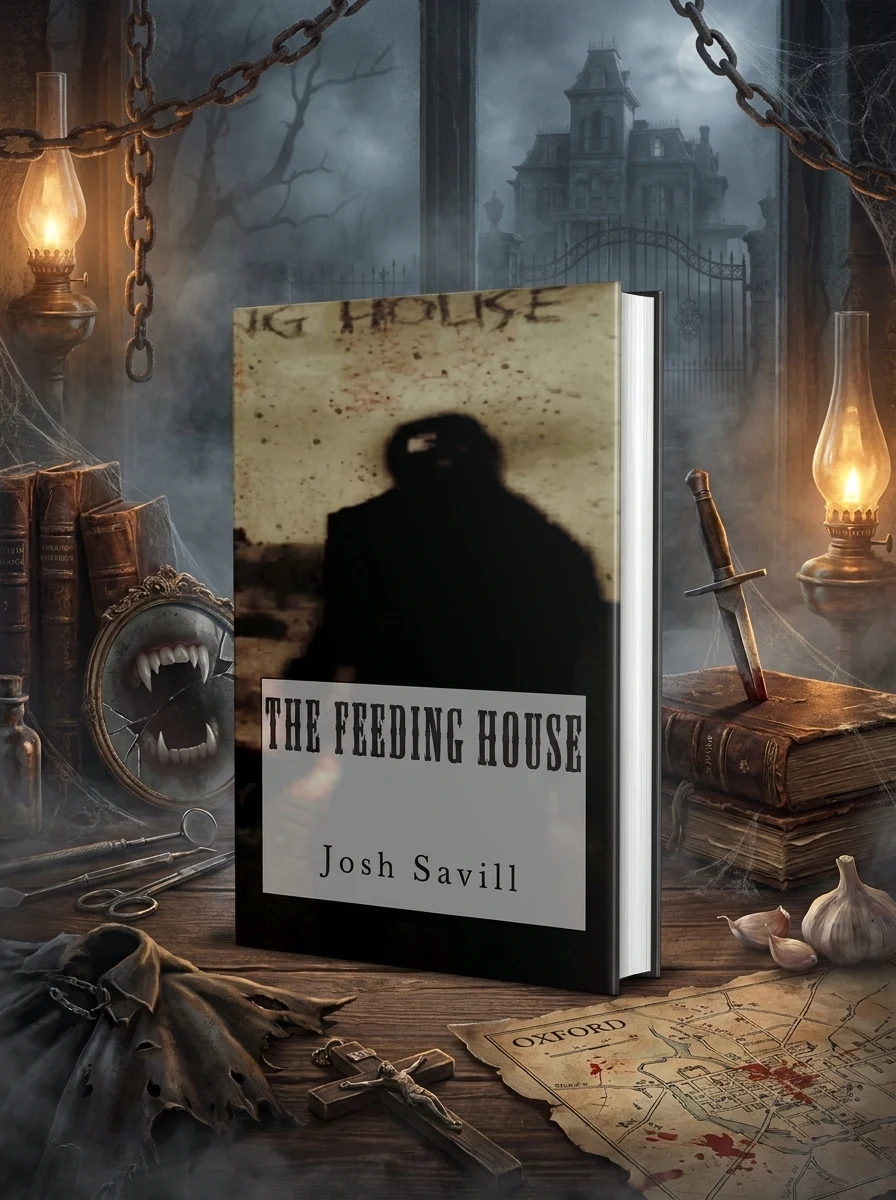
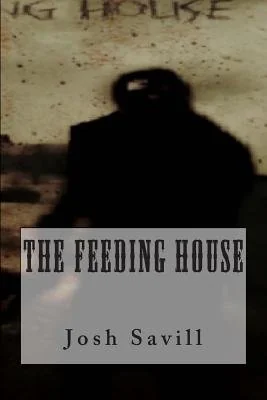
The Feeding House
A vampire seeks revenge and redemption in 1881 Mississippi after betraying his masters to save a girl.
Jack’s journey begins with an act of mercy that seals his fate as an outcast. He must balance his new predatory instincts with his desire to protect the girl he wronged. The narrative focuses on his internal conflict and the external threats posed by both human hunters and former vampire allies. Tricker constructs a tense atmosphere where trust is scarce and survival requires constant vigilance. The story does not rely on complex world-building but rather on the immediate psychological pressure faced by its protagonist as he tries to atone for past sins while evading capture.
The narrative is set in Oxford, Mississippi, during the year 1881. This period allows Tricker to explore gothic themes within a specific American historical context. The story draws on supernatural fiction traditions, focusing on vampire mythology and the moral complexities of immortality. It utilizes the post-Civil War South as a backdrop for tales of isolation and retribution.


📝 Description: The Feeding House
💎 Our verdict on The Feeding House
📖 Why choose it
Why this book is worth reading
Readers who appreciate character-driven revenge plots within gothic fiction will find this novel compelling. It is ideal for those interested in late nineteenth-century American settings and vampire lore that rejects traditional romantic elements. The book offers a fictional exploration of guilt and retribution, focusing on the moral ambiguity of survival. Those seeking lighthearted paranormal romance may find the tone too dark, but fans of psychological pressure and internal conflict will enjoy the protagonist's struggle to atone for past sins while evading capture.
⭐ Reader reviews
Reader rating
Tricker constructs a tense atmosphere where trust is scarce and survival requires constant vigilance. The narrative focuses on Jack’s internal conflict as he balances predatory instincts with a desire to protect the girl he wronged. Rather than relying on complex world-building, the story emphasizes immediate psychological pressure and moral ambiguity. It suits audiences interested in historical frameworks and supernatural retribution. While it does not offer scientific analysis or historical non-fiction, it provides a compelling fictional exploration of guilt. The book is best for readers who enjoy dark, character-focused horror rather than lighthearted paranormal romance.