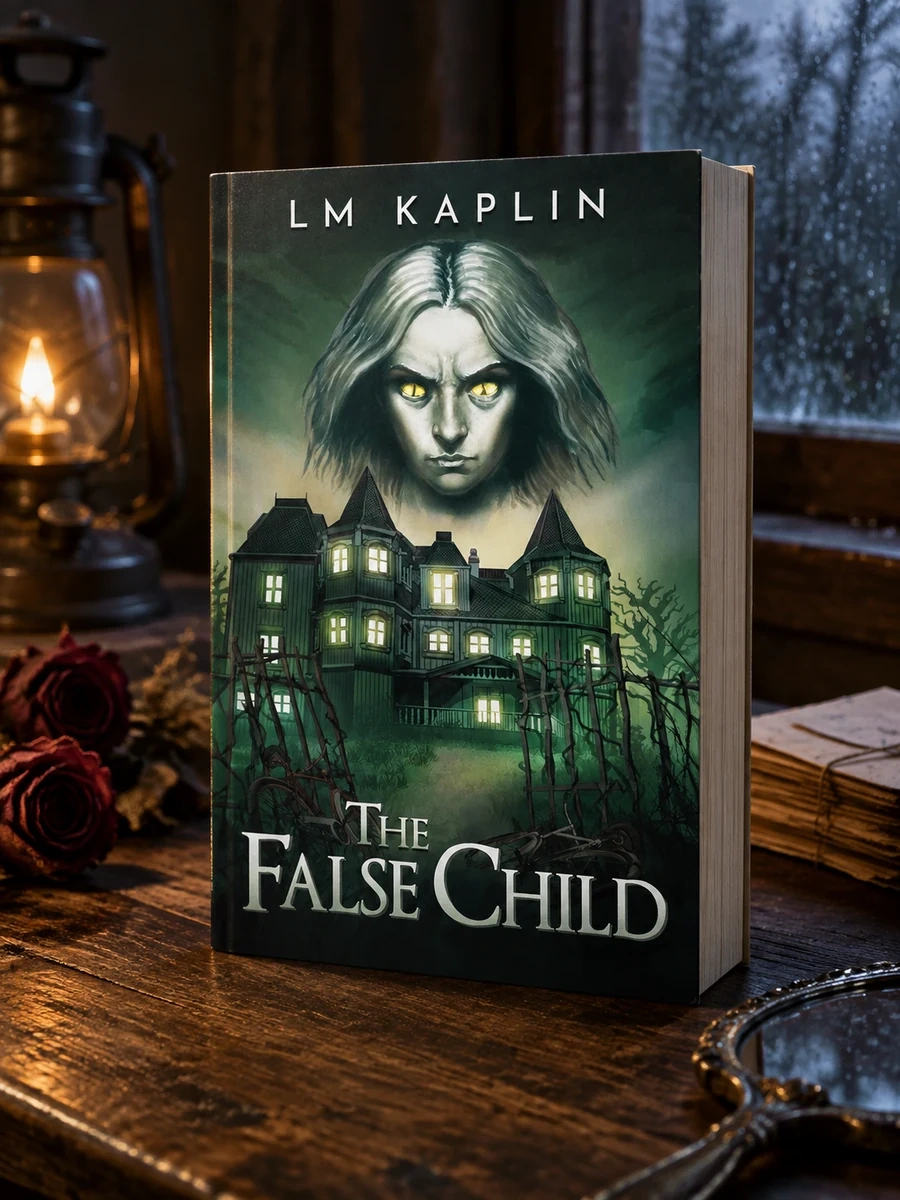
The False Child
A group of friends investigates an abandoned children's home where something still waits.
The narrative follows a specific summer after seventh grade when curiosity leads friends into the grounds of the abandoned Fairfield Children's Home. The story examines how a missing child forces the town to face its past, revealing that some residents return changed rather than growing up. Kaplin uses the setting of the derelict building and the rusted fence to create a sense of lingering dread. The plot focuses on the psychological impact of loss and the supernatural presence that remains beneath the tangled roots. This approach emphasizes atmosphere over action, making it a study in gothic horror for those interested in slow-burn tension.
The story is set in Fairfield, a town with a history of forgetting its past. It draws on the American tradition of rural gothic horror, focusing on the isolation of a derelict building and the collective memory of a community dealing with unresolved trauma from decades ago.


📝 Description: The False Child
💎 Our verdict on The False Child
📖 Why choose it
Why this book is worth reading
Readers seeking atmospheric depth will find this text rewarding, as it prioritizes slow-burn tension over rapid action sequences. It appeals to those interested in the psychological impact of loss and the eerie ambiance of derelict settings. The narrative offers a study in gothic horror, focusing on how memory and trauma reshape reality for both children and adults. Those who enjoy stories where the setting acts as a central character will appreciate the detailed exploration of the abandoned Fairfield Children's Home. It is ideal for fans of supernatural fiction that examines how small towns confront unsettling truths about their history.
⭐ Reader reviews
Reader rating
Kaplin delivers a compelling entry in the horror genre, mastering the creation of lingering dread through the depiction of a rusted fence and tangled roots. The narrative effectively uses the abandoned children's home as a vessel for exploring themes of altered identity and forgotten trauma. By focusing on the summer after seventh grade, the story captures a specific transitional period ripe with unease. While it lacks fast-paced action or clear resolutions, its strength lies in its atmospheric precision and psychological insight. This book is best suited for readers who appreciate slow-burn tension and the eerie silence of places that refuse to stay forgotten. It stands as a thoughtful examination of gothic horror elements.
📖 Read on the blog
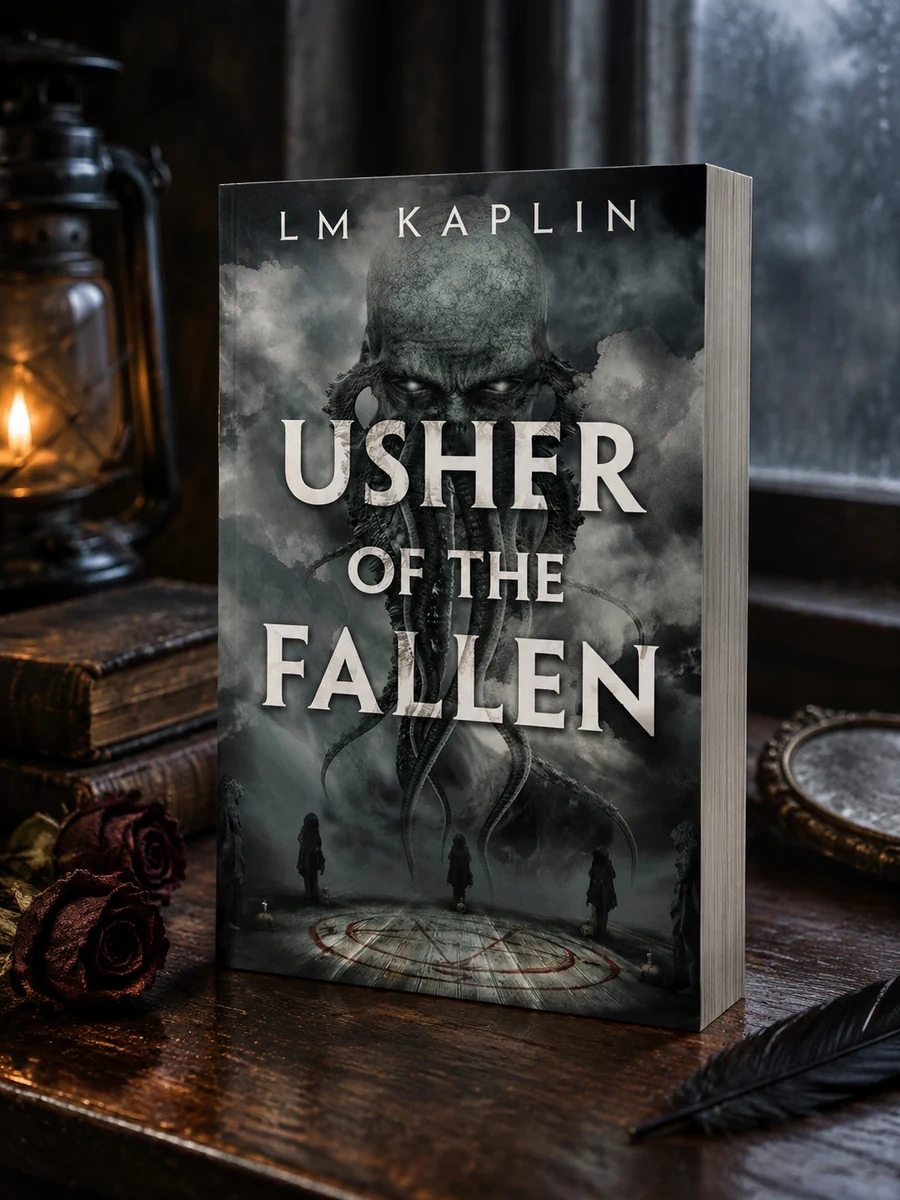
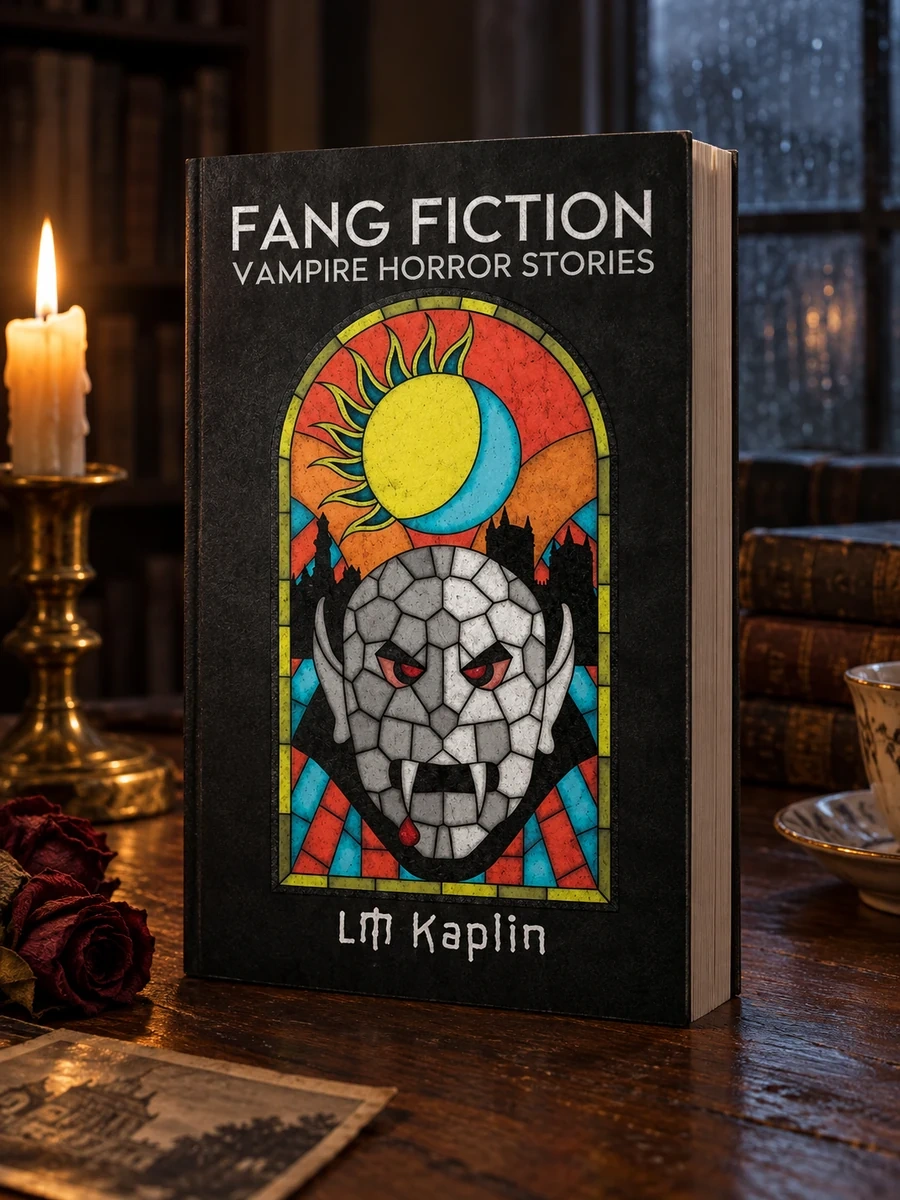
✍️ More books by this author LM Kaplin


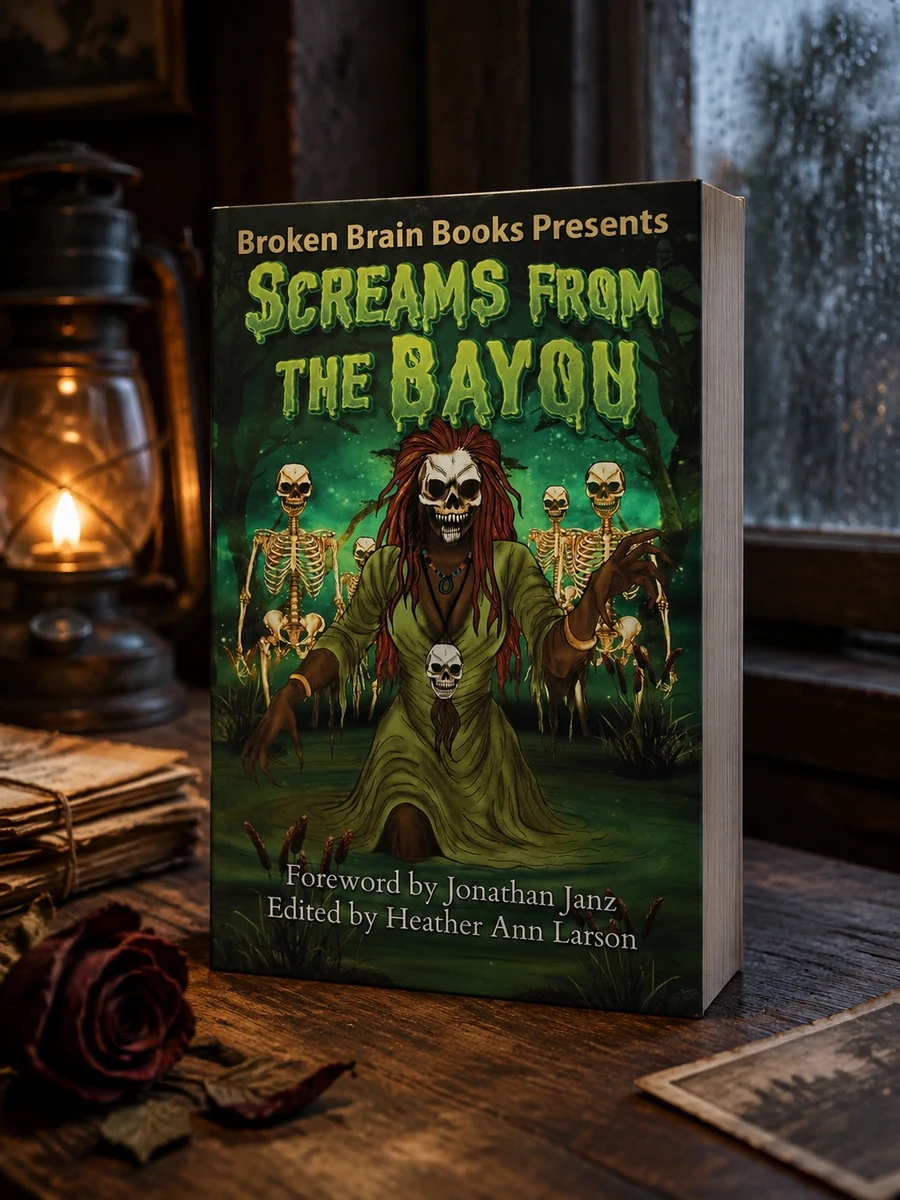
🏛 Books from this publisher Broken Brain Books
You might also like
See more →

Have a question about this item?
Ask about the edition, condition, delivery or anything else — we reply by email or phone, usually within a day.
