
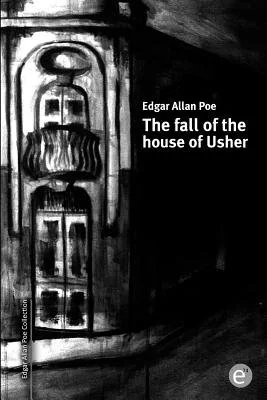
The fall of the House of Usher
A psychological reimagining of Poe's tale focusing on sensory overload and architectural sentience.
This volume examines the intersection of early 19th-century gothic storytelling and contemporary diagnostic frameworks. Fresneda does not merely retell the plot but analyzes the characters' conditions through specific medical terminology. The text highlights how Roderick’s perception of reality is warped by his physical ailments. It details the interaction between the narrator and Roderick, emphasizing the musical and artistic elements used to cope with their shared dread. The description of Madeline’s condition adds a layer of supernatural ambiguity that challenges rational explanation. Readers will find this approach useful for understanding how historical texts can be re-evaluated through modern scientific perspectives without losing their atmospheric power.
Published in 2014 by Createspace Independent Publishing Platform, this edition bridges the gap between Poe’s pre-scientific era and modern psychological understanding. It positions the classic narrative within a framework of hypochondria and anxiety disorders relevant to contemporary readers.


📝 Description: The fall of the House of Usher
💎 Our verdict on The fall of the House of Usher
📖 Why choose it
Why this book is worth reading
Readers interested in gothic fiction and the psychological analysis of classic literature will find this approach useful for understanding how historical texts can be re-evaluated through modern scientific perspectives. The book is particularly valuable for those who wish to examine the intersection of early 19th-century gothic storytelling and contemporary diagnostic frameworks. By analyzing characters' conditions through specific medical terminology, the text highlights how Roderick’s perception of reality is warped by physical ailments like hyperesthesia and acute anxiety. This method allows for a deeper appreciation of the narrative's atmospheric power while offering a fresh lens on familiar tropes.
⭐ Reader reviews
Reader rating
Fresneda presents a retelling that frames Poe's classic tale through modern psychological science, interpreting symptoms as hyperesthesia and hypochondria. The narrative details sensory overload regarding textures, light, and sounds, adding depth to Roderick’s deteriorating health. The work appeals to those interested in gothic fiction and psychological analysis of classic literature by emphasizing musical and artistic elements used to cope with shared dread. However, it may not suit readers seeking modern horror plots or detailed biographical data on Poe, as it focuses strictly on narrative events and their medical interpretation.
📖 Read on the blog
📖 From the series “Edgar Allan Poe Collection”





✍️ More books by this author Ruben Fresneda
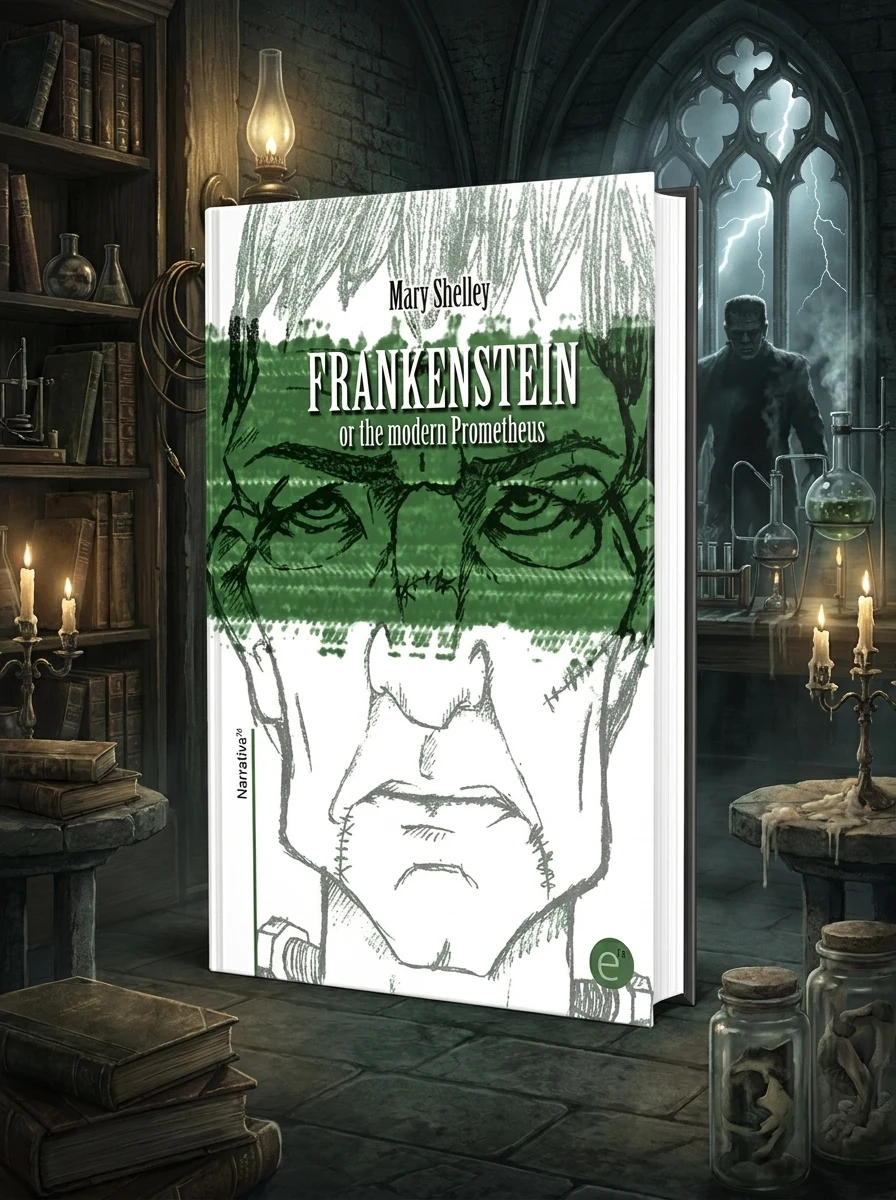
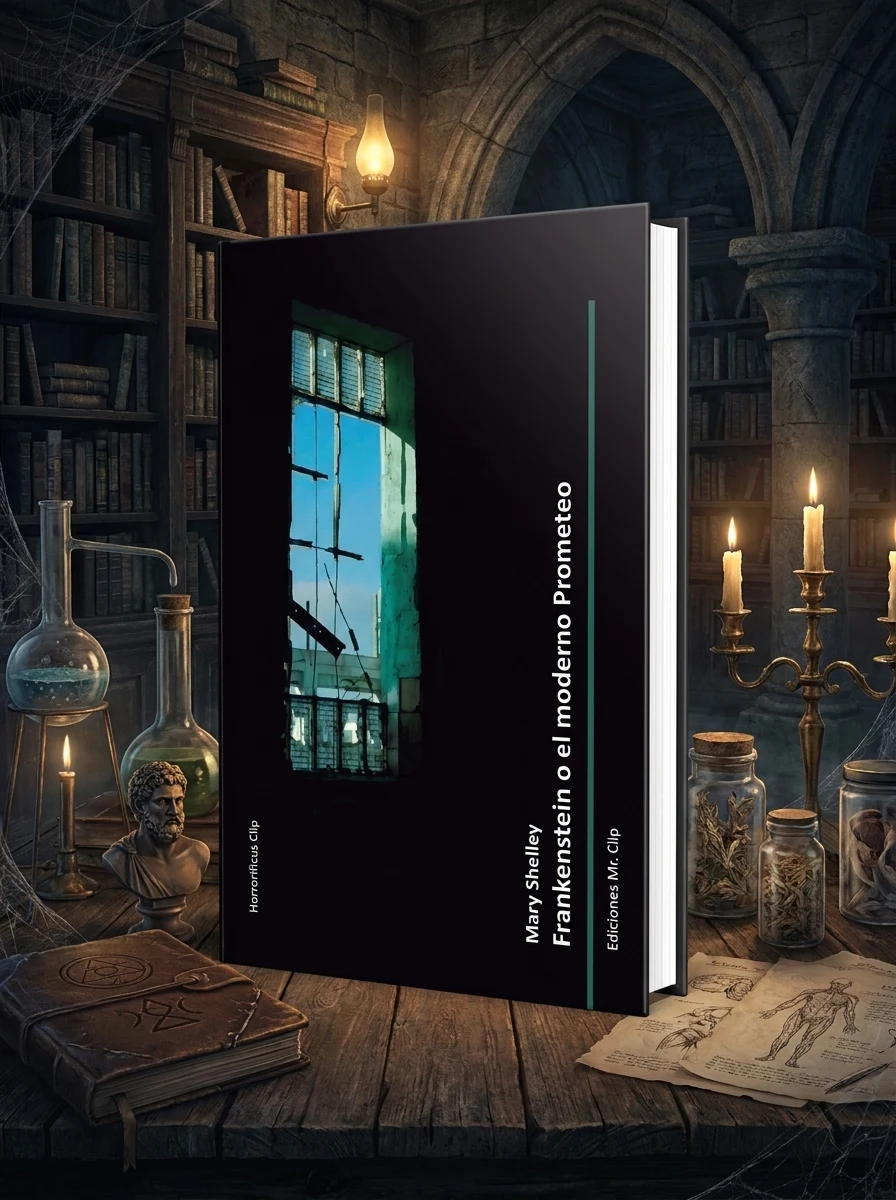
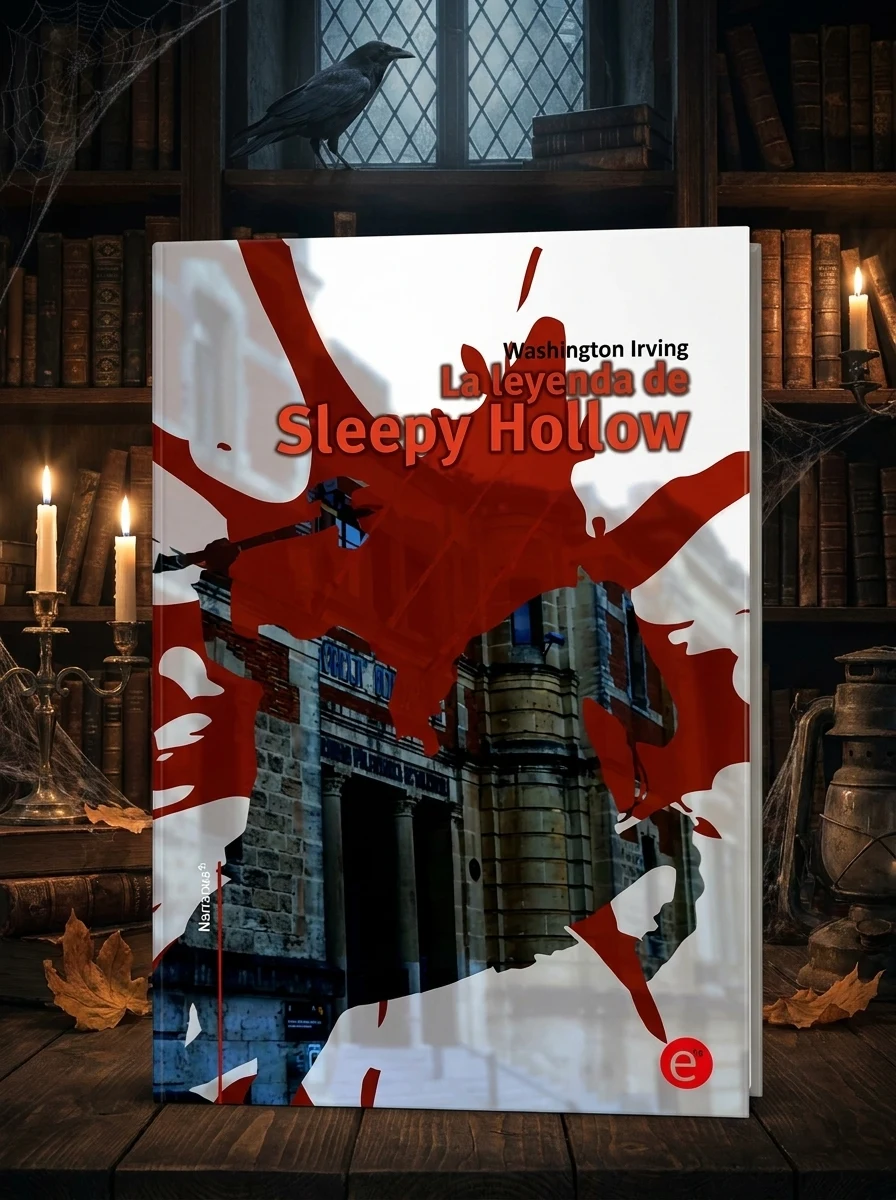

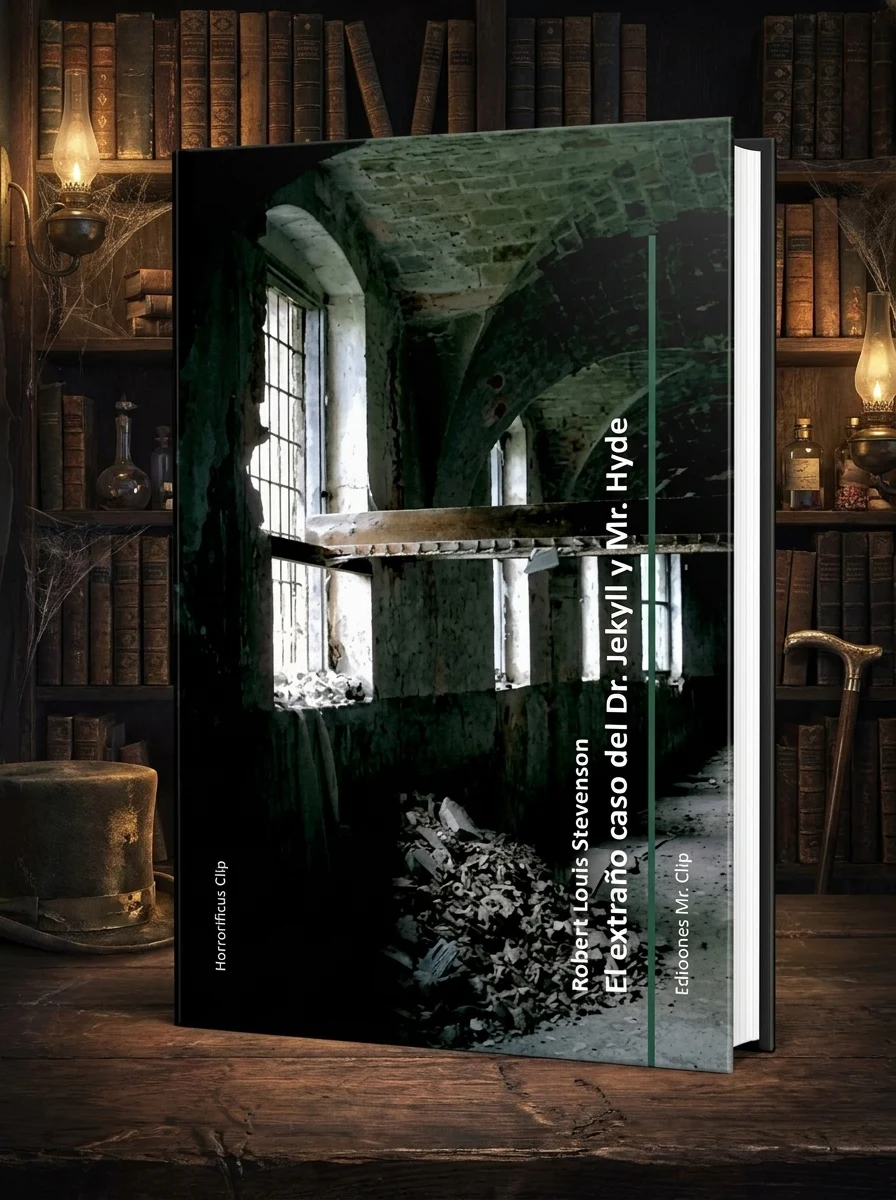
🏛 Books from this publisher Createspace Independent Publishing Platform






You might also like
See more →

Have a question about this item?
Ask about the edition, condition, delivery or anything else — we reply by email or phone, usually within a day.
