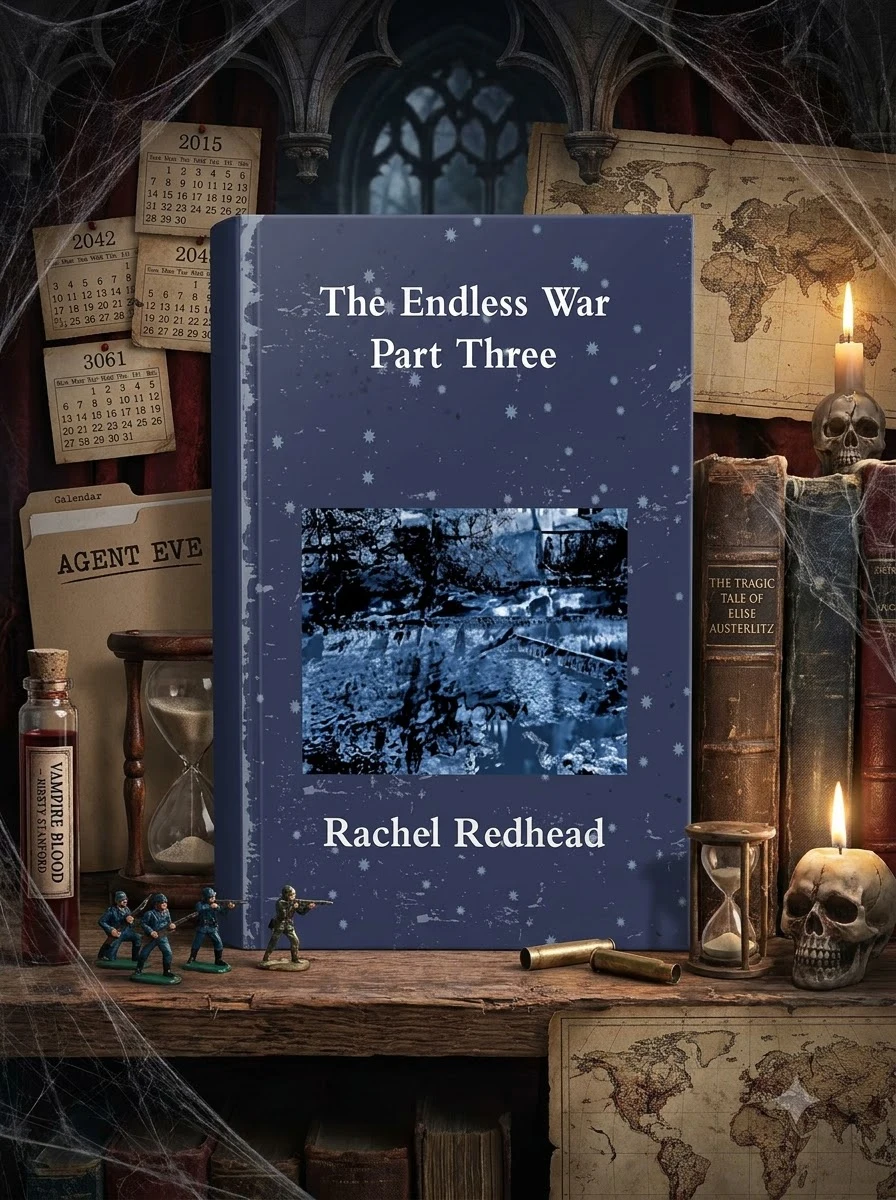

The Endless War - Part Three
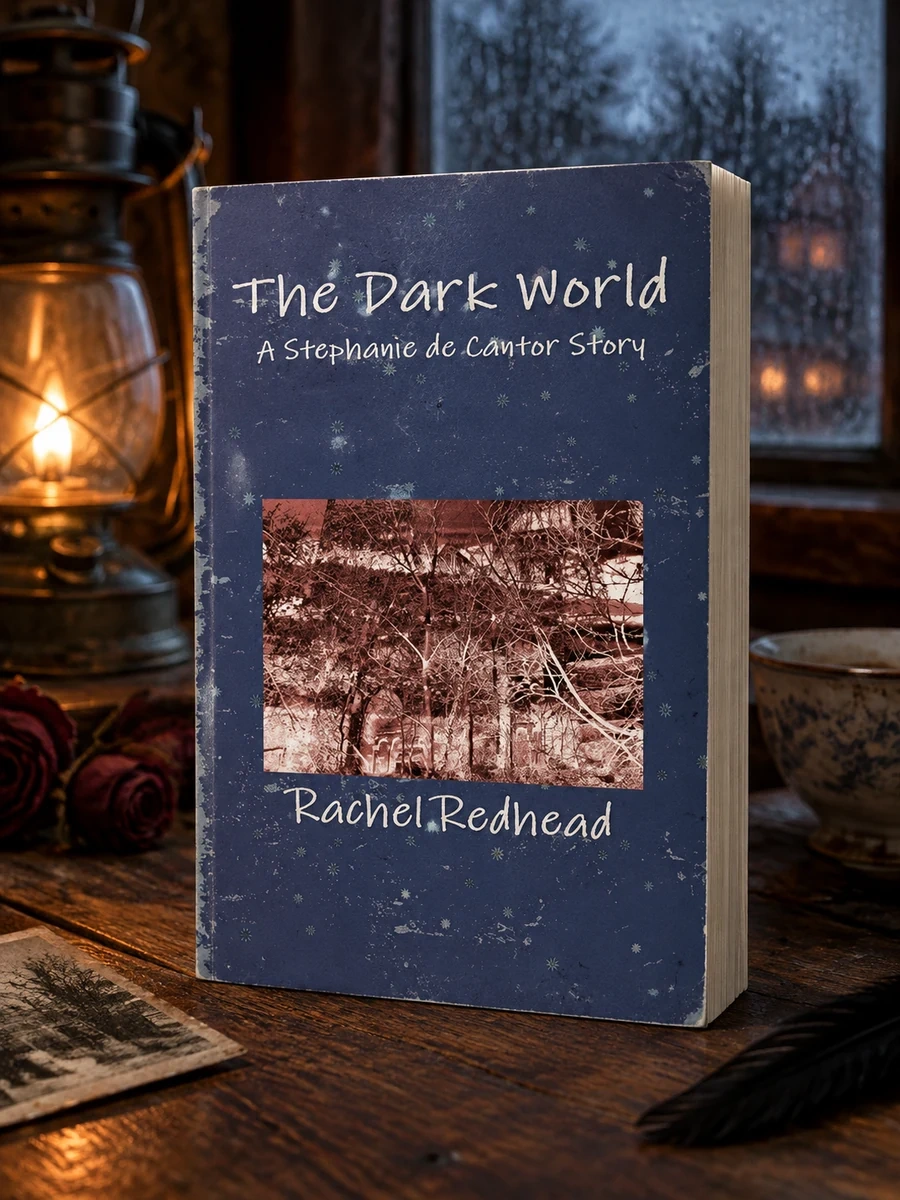
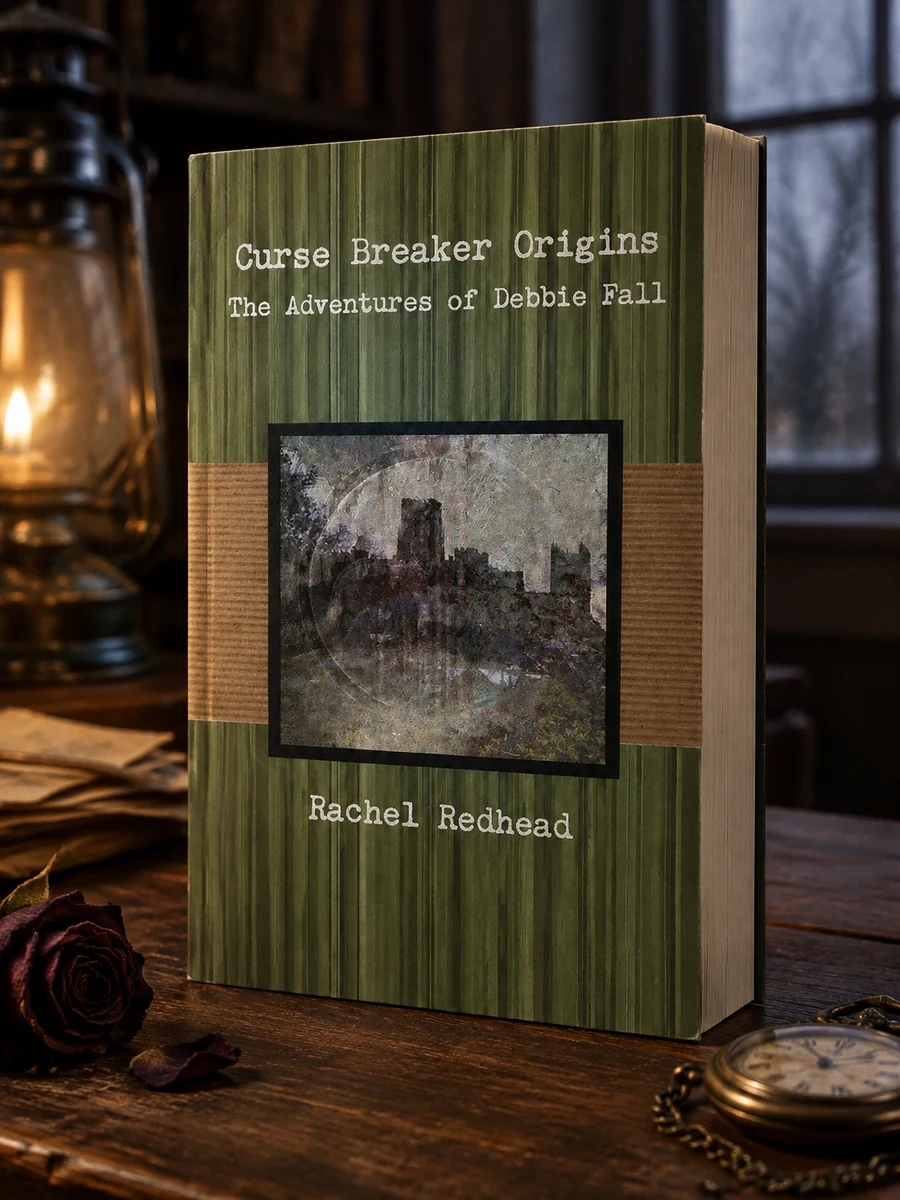
A timeline spanning from 2015 to 3061 detailing the origins of an endless war.
Redhead constructs a multi-century narrative starting with Charity Michaels in 2015. The plot moves forward to Kirsty Stanford’s transformation in 2049 and the subsequent global conflict. Agent Gehenna plays a central role in shaping destinies. The inclusion of Elise Austerlitz provides a personal counterpoint to the large-scale historical events. The work connects these disparate moments to explain the start of the war.
Published in 2016 by Lulu.com, this work sits within the genre of supernatural fiction. It draws on themes of historical consequence and long-term conflict. The narrative bridges early twenty-first century decisions with distant future outcomes, creating a unique perspective on war origins.


📝 Description: The Endless War - Part Three
💎 Our verdict on The Endless War - Part Three
📖 Why choose it
Why this book is worth reading
Readers who appreciate intricate world-building and the intersection of personal tragedy with historical upheaval will find much to admire here. The narrative rewards those willing to track complex timelines across centuries, offering a satisfying sense of cause and effect. It appeals to fans of character-driven stories set against epic backdrops, particularly those interested in the origins of fictional wars. By focusing on distant future events and ancient consequences, it provides a unique perspective for those seeking depth over quick resolutions. The work is ideal for individuals who enjoy understanding the roots of conflict through the lens of supernatural history.
⭐ Reader reviews
Reader rating
Rachel Redhead demonstrates considerable skill in weaving disparate timelines into a coherent narrative about the origins of an endless war. The structure effectively uses specific dates to trace how individual choices ripple through generations, creating a sense of inevitable historical momentum. Agent Gehenna’s role in shaping destinies adds a layer of political intrigue to the supernatural elements, while Elise Austerlitz’s story provides necessary emotional grounding. The book succeeds in its ambition to explain the start of a conflict spanning centuries. It suits readers who enjoy tracking complex timelines and do not mind slow-burn pacing. Those seeking immediate gratification or contemporary settings may find the distant focus less engaging.