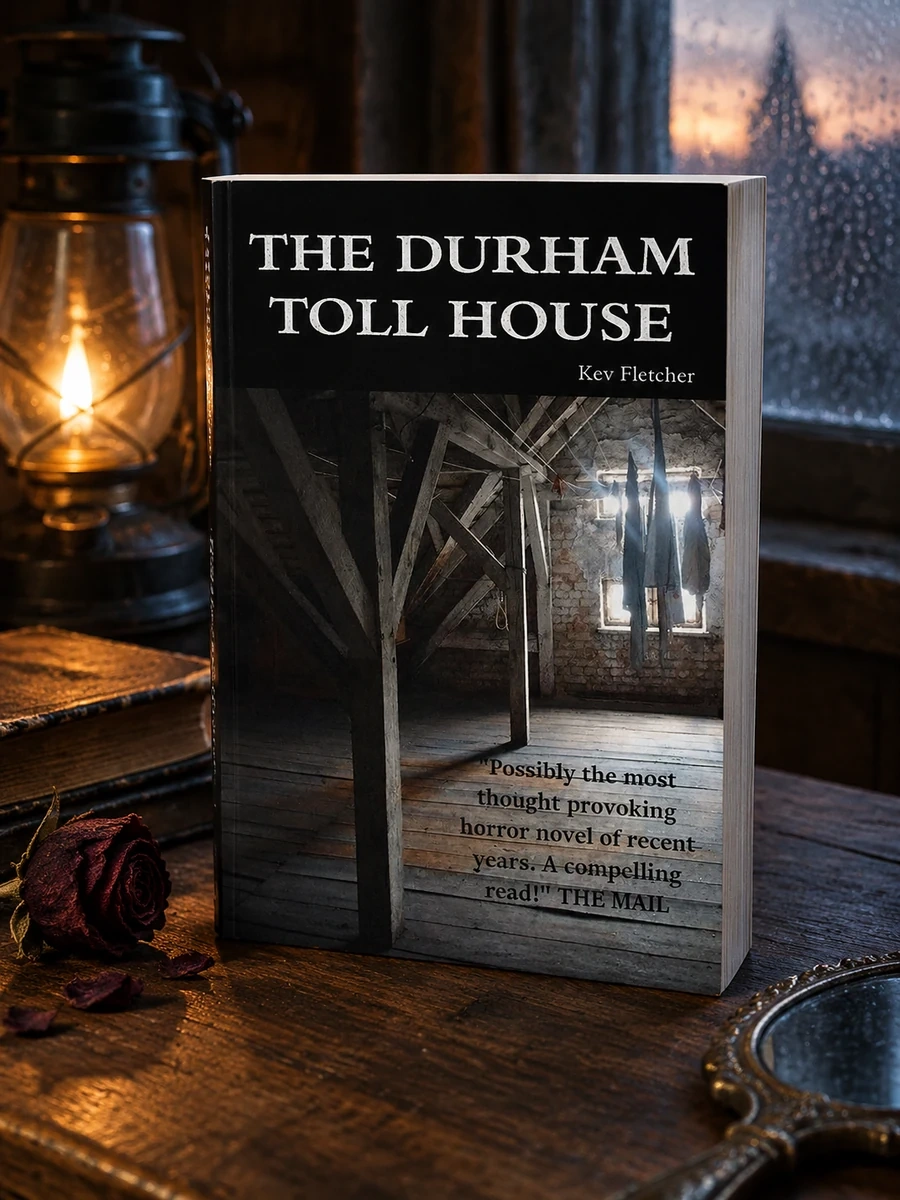
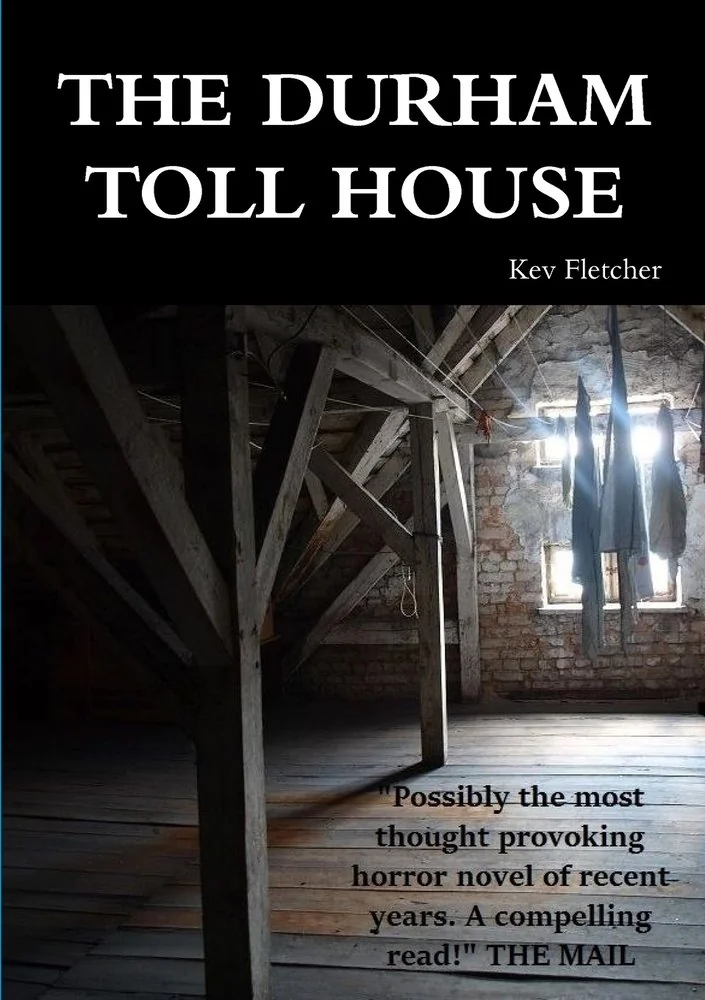
The Durham Toll House
A historical look at the evil Durham Toll House and Victor Schafer's fate
Fletcher investigates the legacy of a specific toll house built in 1798. The work focuses on the transition of power from Freemasons to other hosts, all of whom suffered negative outcomes. A significant portion addresses Victor Schafer, his gypsy nomad followers, and their eventual betrayal for thirty pieces of silver. The narrative challenges the historical record regarding Schafer's death by highlighting the disappearance of his body. This approach encourages skepticism toward established witness accounts.
The book examines a structure built in Durham in 1798. It explores the influence of Freemasons and gypsy nomads during this specific historical period. The narrative focuses on local legends surrounding Victor Schafer and the consequences faced by those who controlled the site.


📝 Description: The Durham Toll House
💎 Our verdict on The Durham Toll House
📖 Why choose it
Why this book is worth reading
Readers interested in the specific intersection of local Durham history and occult traditions will find this examination compelling. It offers a factual analysis of supernatural claims, appealing to those who prefer historical investigation over fictional narratives. The text provides value for enthusiasts of early nineteenth-century European esoteric practices and Freemasonic connections. By challenging established witness accounts regarding Victor Schafer’s fate, it invites skepticism toward recorded history. Those seeking modern horror fiction may find less appeal here, but fans of dark non-fiction will appreciate the detailed exploration of malevolent properties and historical lineage associated with the toll house.
⭐ Reader reviews
Reader rating
Kev Fletcher delivers a focused historical account that traces the Durham Toll House’s lineage from its Masonic origins through various owners facing dire consequences. The narrative effectively highlights the descent into darkness via Victor Schafer and his followers, questioning the reliability of witnesses who claimed to have seen his death. This approach encourages readers to consider the possibility of fabricated reports surrounding his body's disappearance. The book suits those preferring factual analysis of supernatural claims over fiction. It successfully challenges historical records while maintaining a tone of scholarly inquiry into occult traditions. For readers uninterested in early nineteenth-century esoteric practices, this may feel too niche, but it stands as a solid contribution to the study of haunted locations and their enduring legacy.
📖 Read on the blog
✍️ More books by this author Kev Fletcher



🏛 Books from this publisher Lulu.com





You might also like
See more →



Have a question about this item?
Ask about the edition, condition, delivery or anything else — we reply by email or phone, usually within a day.
