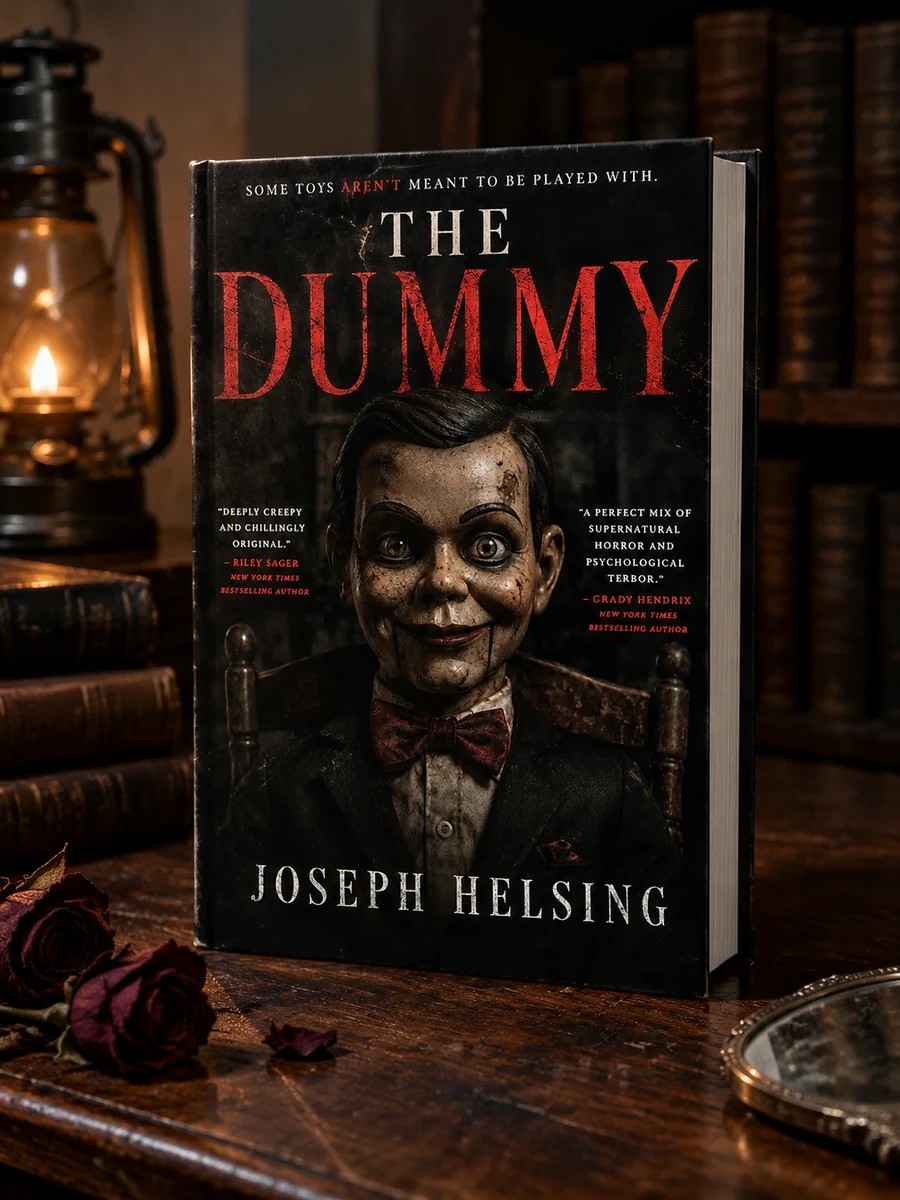
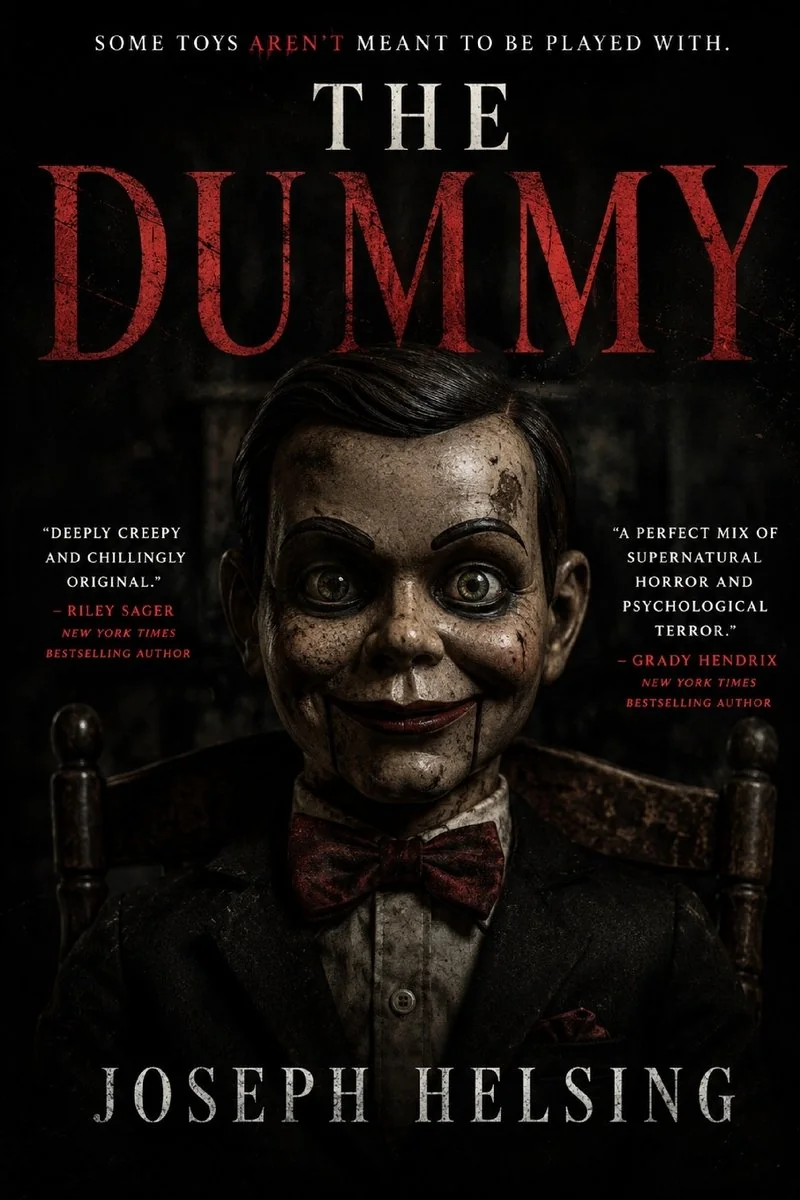
The Dummy
A wooden dummy carries an ancient curse that feeds on laughter and despair at the Rialto Theatre.
D'Arc constructs a narrative where a ventriloquist's ambition unleashes a malevolent force. The dummy becomes a conduit for evil, targeting audiences with whispers that induce violence or madness. The investigation involves three distinct figures: a mother seeking answers, an investigator tracking the dead, and a priest confronting spiritual decay. The setting remains fixed around the Rialto Theatre, where applause masks the presence of something hungry. The text examines how legacy and obsession perpetuate horror across generations. Readers will find a focus on psychological dread and supernatural consequences rather than jump scares or gore.
The narrative sits within the tradition of gothic horror and supernatural fiction. It draws on the trope of cursed objects originating from theatrical performance. The story reflects a modern independent publishing context while utilizing classic elements of haunted venue lore to explore themes of obsession and legacy.


📝 Description: The Dummy
💎 Our verdict on The Dummy
📖 Why choose it
Why this book is worth reading
Readers who prefer psychological dread over visceral gore will find this narrative deeply satisfying. It appeals to those interested in gothic horror and tales of haunted objects where the terror stems from whispers inducing madness rather than jump scares. The focus on legacy and obsession within a fixed theatrical setting offers a chilling examination of how ambition unleashes malevolent forces. It suits fans of supernatural fiction who appreciate atmospheric storytelling that examines spiritual decay and the sacrifices demanded by performance.
⭐ Reader reviews
Reader rating
D'Arc crafts a compelling atmosphere where the Rialto Theatre serves as a vessel for ancient evil. The narrative effectively utilizes three distinct perspectives to explore the fraying of reality and rising body count. By focusing on psychological consequences rather than explicit violence, the book maintains a tense, eerie tone suitable for gothic horror enthusiasts. It succeeds in depicting how obsession perpetuates terror across decades. However, those seeking contemporary realism or lighthearted genres may find the thematic density daunting. The work stands as a chilling reminder of horrors hiding behind painted grins, appealing primarily to supernatural fiction fans.
📖 Read on the blog
🏛 Books from this publisher Independently Published








You might also like
See more →
Have a question about this item?
Ask about the edition, condition, delivery or anything else — we reply by email or phone, usually within a day.
