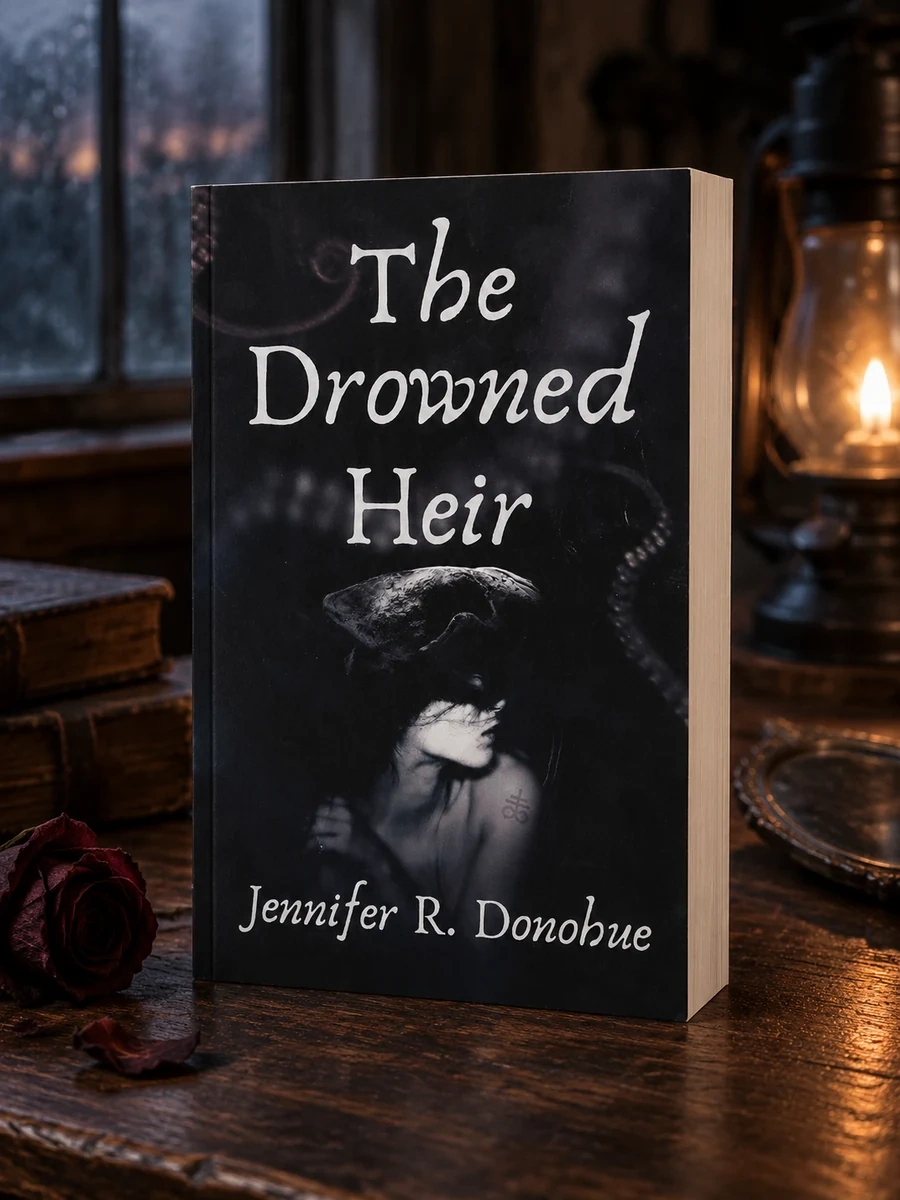
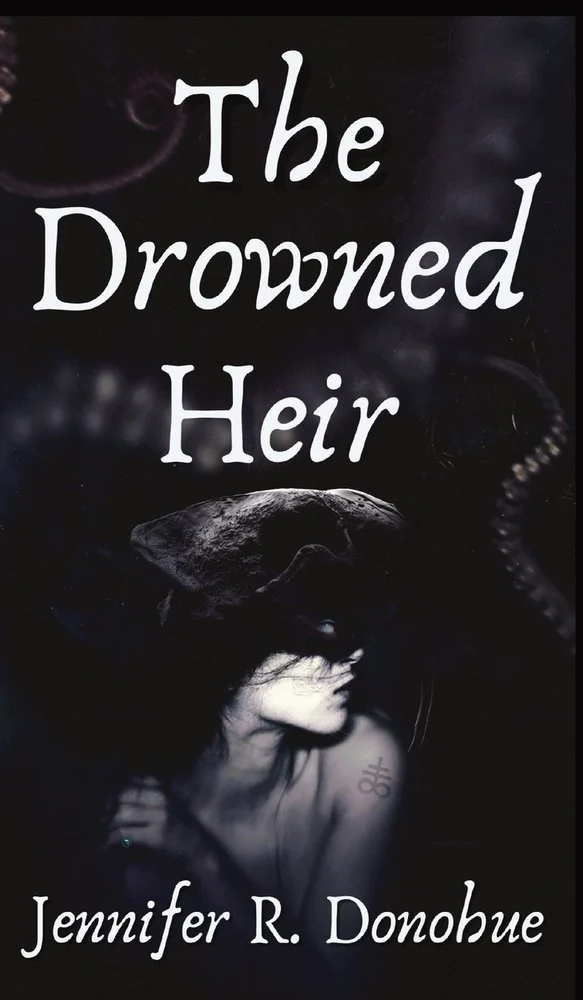
The Drowned Heir
A niece and dead uncle team up to save a secret son from a sea monster.
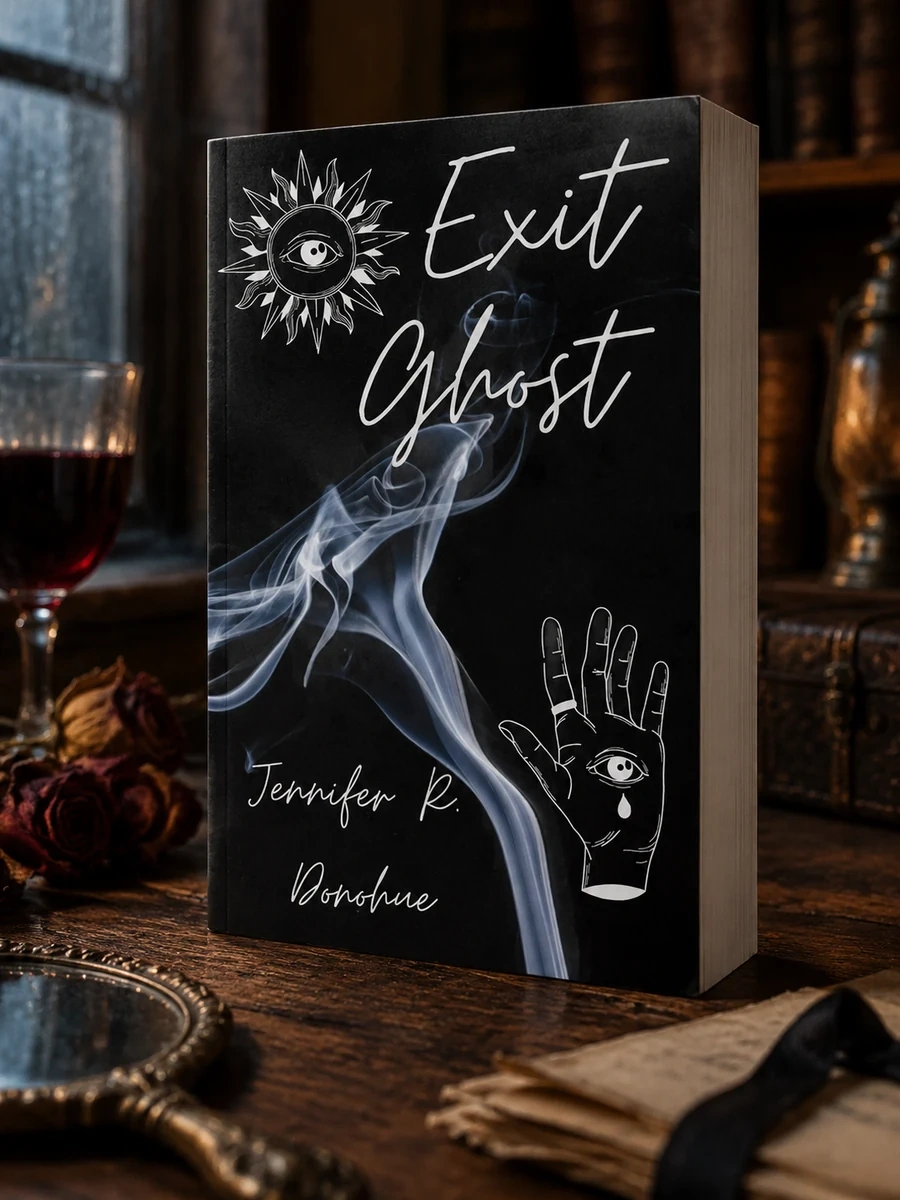
Donohue explores the aftermath of a maritime tragedy through the lens of spiritual possession. The protagonist accepts her uncle’s spirit into herself, creating a shared existence that defies normal social structures. This arrangement becomes complicated when the spirit reveals his death was caused by a creature rather than nature. The urgency increases with the arrival of the lover and the news of an unknown heir. The narrative tension arises from the need to protect this new family member from the same fate as the uncle. The story does not rely on traditional ghostly scares but on the dread of inevitable collision with the monster.
The Drowned Heir draws on gothic traditions where the boundary between life and death is porous. It reflects periods where maritime loss was a common societal fear. The text uses the concept of ceremonial role-taking to explore how societies manage grief. The setting remains ambiguous but evokes a world where supernatural intervention is a practical solution to human tragedy.


📝 Description: The Drowned Heir
💎 Our verdict on The Drowned Heir
📖 Why choose it
Why this book is worth reading
Readers who appreciate atmospheric gothic fiction and psychological horror will find value in this narrative's exploration of grief manifesting as anger. The book offers a unique perspective on unconventional family structures, where the boundary between life and death is permeable. Those interested in supernatural mysteries that prioritize emotional stakes over action sequences will enjoy the intricate dynamic between the niece and her uncle's spirit. It appeals to individuals seeking stories about how family bonds persist through death and the dread of inevitable collision with unknown horrors.
⭐ Reader reviews
Reader rating
Donohue crafts a compelling tale where spiritual possession serves as a vehicle for examining familial duty and loss. The narrative successfully avoids traditional ghostly scares, instead generating tension through the dread of an approaching monster and the complexities of shared existence. The collaboration between the living niece and her deceased uncle provides a fresh take on gothic tropes, focusing on emotional resonance rather than jump scares. While readers seeking straightforward horror or modern urban fantasy might find the tone too atmospheric, fans of slow-burn psychological horror will appreciate the nuanced portrayal of grief and the urgent need to protect a new family member from a fate sealed by sea.