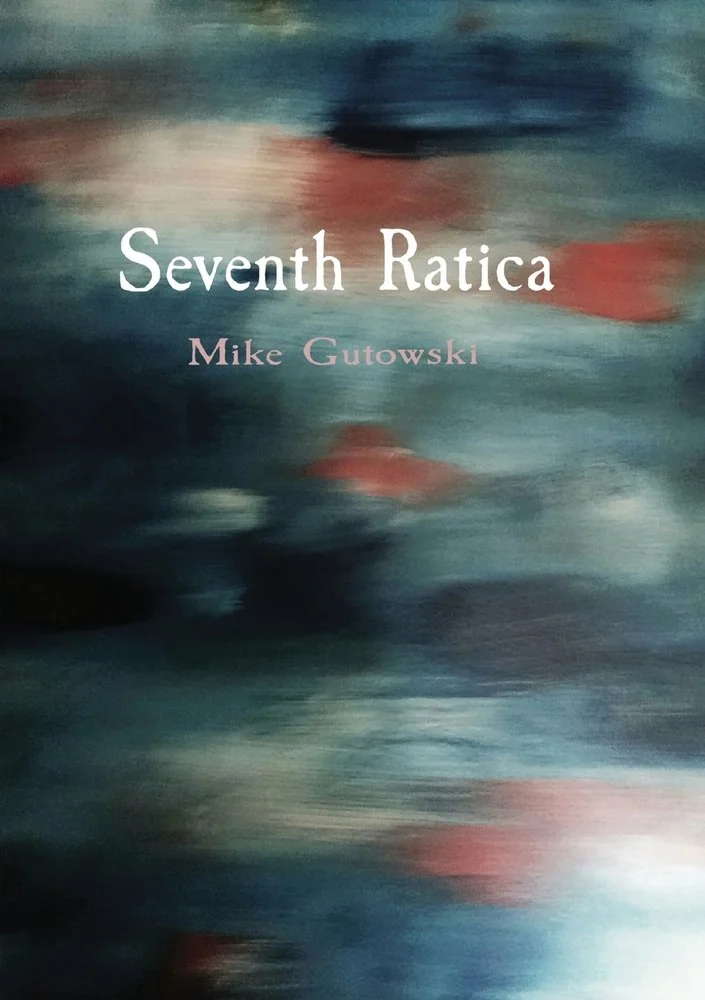
Seventh Ratica
Gutowski explores ancient writing materials and ghouls through stinging sentences.
This volume investigates the intersection of ancient parchment traditions and supernatural entities. Gutowski uses the term Ratica to refer to skins or parchments used by ancients for writing. The text presents a series of statements that sting and sing, avoiding standard narrative structures. It focuses on the transformation of darkness into gray when ghouls appear. The book includes specific phrases about rain and entry, suggesting themes of invitation and exclusion. Readers will encounter a work that prioritizes linguistic texture over plot progression. The content draws on historical writing practices to frame its horror elements.
The book was published by Mike Gutowski on July 7, 2022. It falls within the genre of horror and supernatural fiction. The work references Ratica, a term for ancient writing surfaces like skins or parchments. This connects modern horror to historical text production methods.


📝 Description: Seventh Ratica
💎 Our verdict on Seventh Ratica
📖 Why choose it
Why this book is worth reading
Readers who prioritize linguistic texture and atmospheric depth over conventional plot progression will find immense value in this volume. It appeals to those fascinated by the physical history of text, specifically the use of ancient skins or parchments as a lens for horror. The book offers a unique exploration of how ghouls emerge from shadows, transforming darkness into gray through stinging and singing sentences. It is ideal for collectors and scholars interested in the material culture of writing merged with cosmic and psychological horror themes.
⭐ Reader reviews
Reader rating
Gutowski delivers a daring experiment in horror that eschews traditional narrative structures for a collection of potent, sensory-rich statements. By grounding supernatural elements in the historical tradition of Ratica, he creates a chilling atmosphere where light and dark are constantly negotiated. The work excels in its ability to make language itself feel dangerous and inviting through fragments about rain and entry. It suits enthusiasts of gothic aesthetics and literary experimentation who appreciate ambiguity. While disjointed for those seeking clear resolutions, it stands as a compelling study of darkness and the unseen.