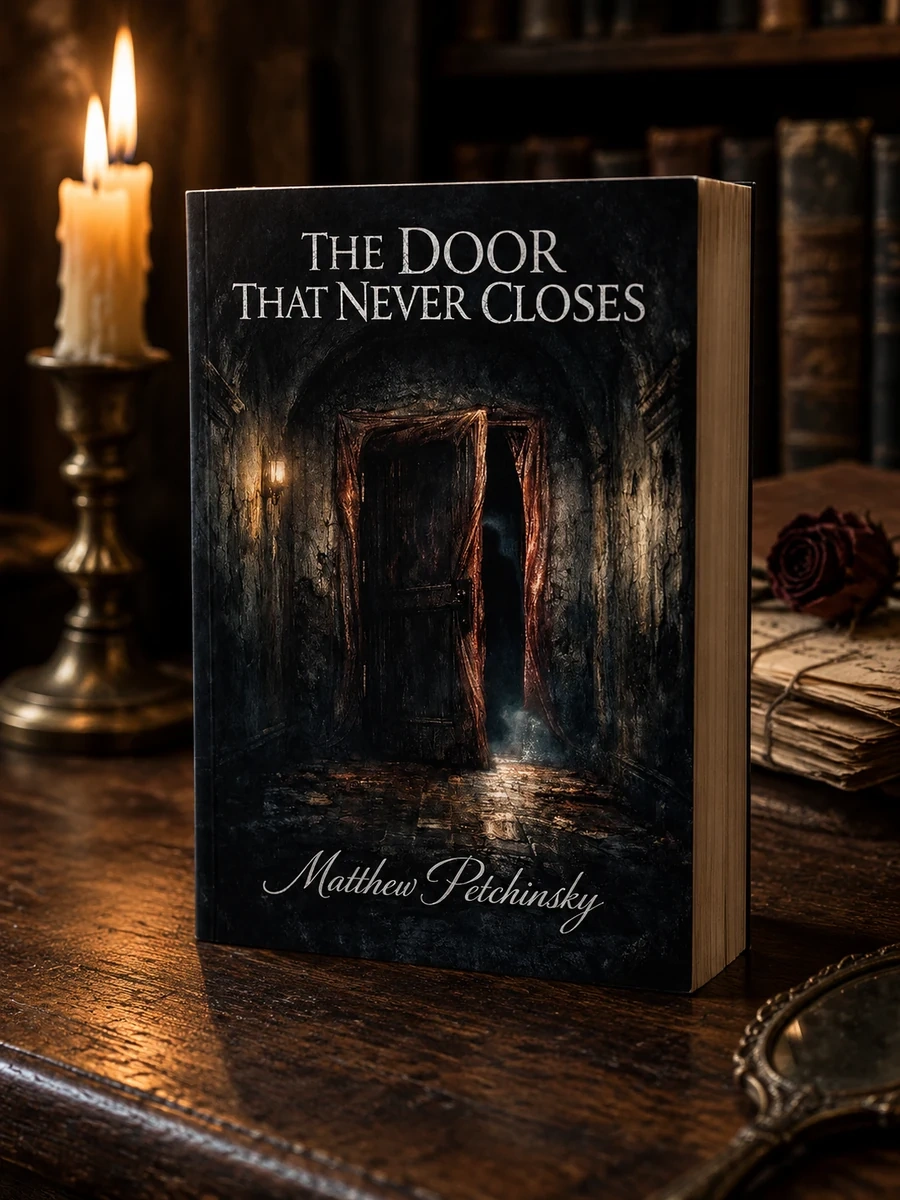
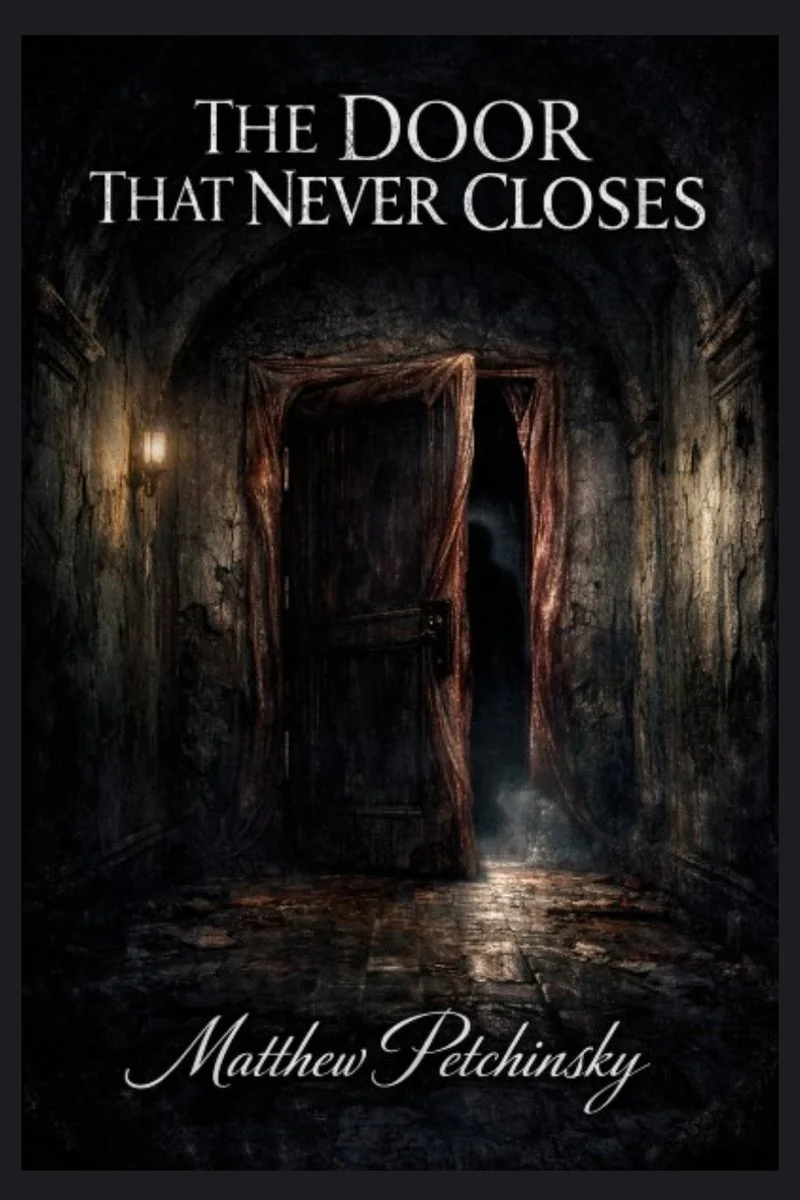
The Door That Never Closes
A novel about an asylum escape where reality itself becomes a predatory trap.
The narrative centers on Eli Mercer and Mara fleeing an underground asylum where an experiment to replicate Black Veil failed catastrophically. This failure caused memories to manifest as physical rooms and fear to shape the architecture. The entity that followed them out learned from the broken minds inside, causing reality to collapse. Reflections begin to speak, and voices under the ground ask questions that trap anyone who answers twice. The protagonists realize too late that there is no escape because the door they fled was never meant to close. It has now spread everywhere, making the past and present indistinguishable. The story tracks their race across a world that is slowly transforming into something else entirely.
Published in 2026 by Apophis Enterprises LLC, this work sits within the contemporary horror genre. It draws on gothic traditions of haunted institutions and psychological terror. The narrative reflects modern anxieties about identity loss and the fragility of perceived reality.


📝 Description: The Door That Never Closes
💎 Our verdict on The Door That Never Closes
📖 Why choose it
Why this book is worth reading
Readers seeking dense, unsettling narratives will find value in this exploration of memory and architecture as weapons. It suits those who enjoy psychological horror where the boundary between past and present dissolves completely. The book offers no easy escapes or safe havens, appealing to fans of gothic tales where the environment is hostile. Those interested in institutional nightmares and the fear of losing one's identity to a predatory force will appreciate the pervasive dread. It avoids traditional monster tropes for a more subtle, terrifying experience.
⭐ Reader reviews
Reader rating
Petchinsky delivers a focused exploration of memory and architecture as weapons, creating a narrative where reality collapses following an escape from a forgotten underground asylum. The text excels in building a sense of inescapable dread, utilizing reflections and voices beneath the ground to trap characters who answer twice. This approach avoids traditional monster tropes, favoring a pervasive horror that affects the reader's perception of safety. It suits best those who enjoy psychological horror and gothic tales where the environment is hostile. The work is dense and unsettling for those expecting lighthearted adventure or clear resolutions. By making the past and present indistinguishable, Petchinsky qualifies his authority through this intense focus on identity loss.
📖 Read on the blog
✍️ More books by this author Matthew Petchinsky


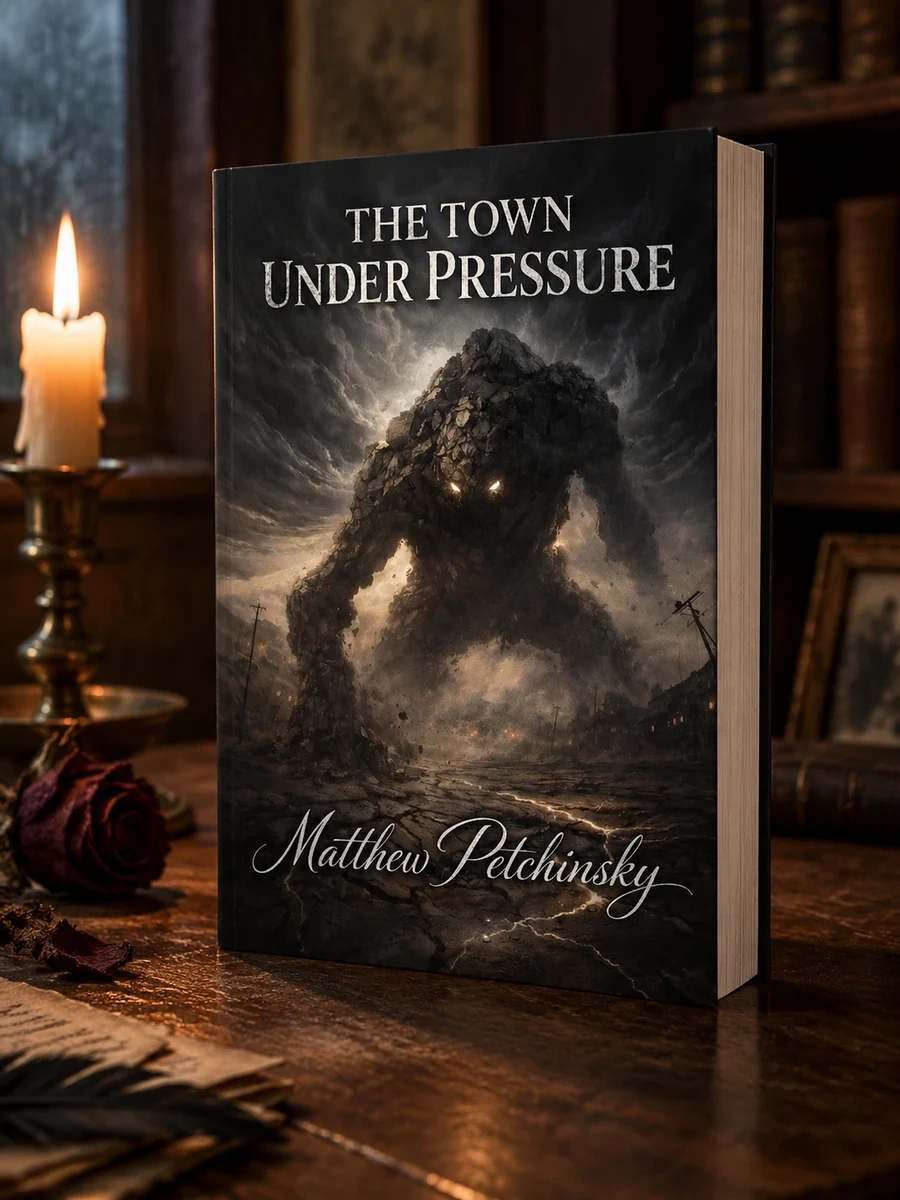
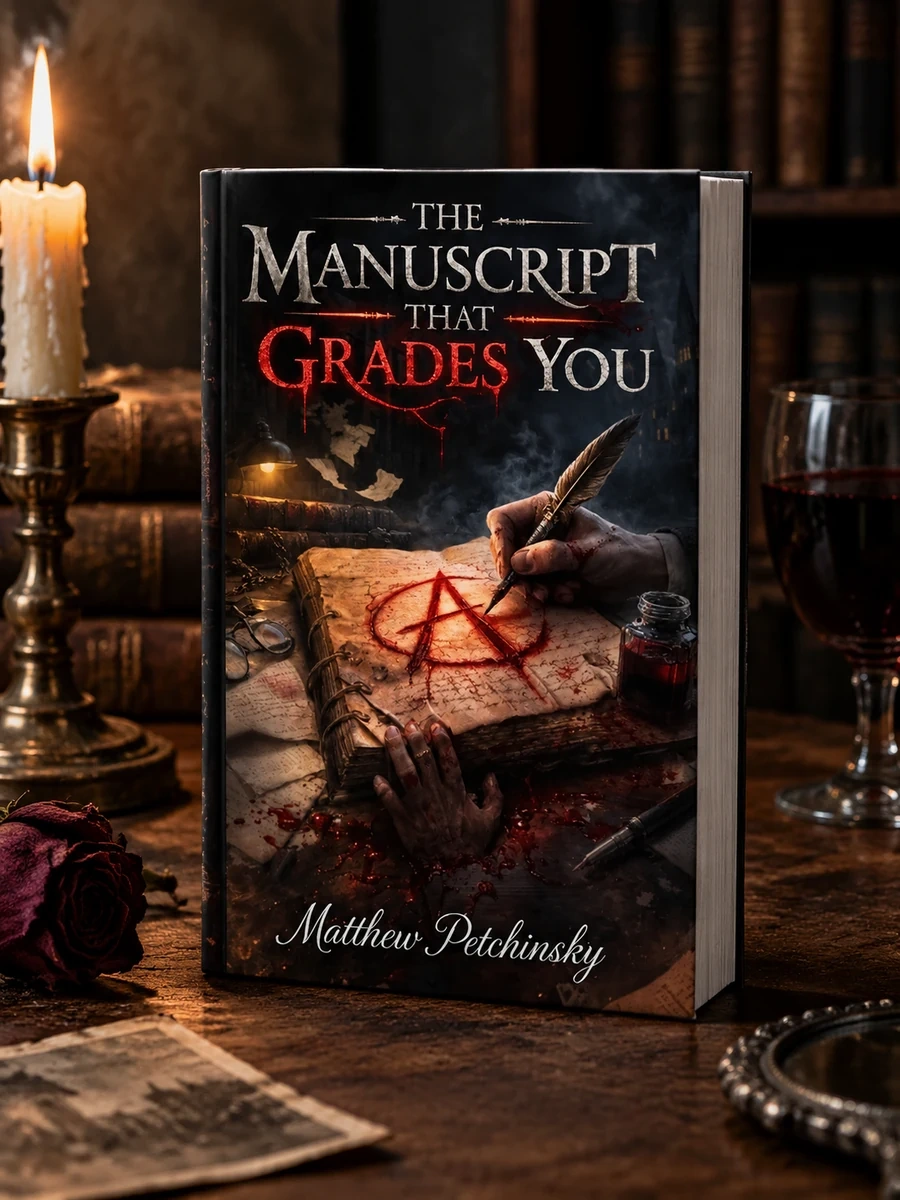
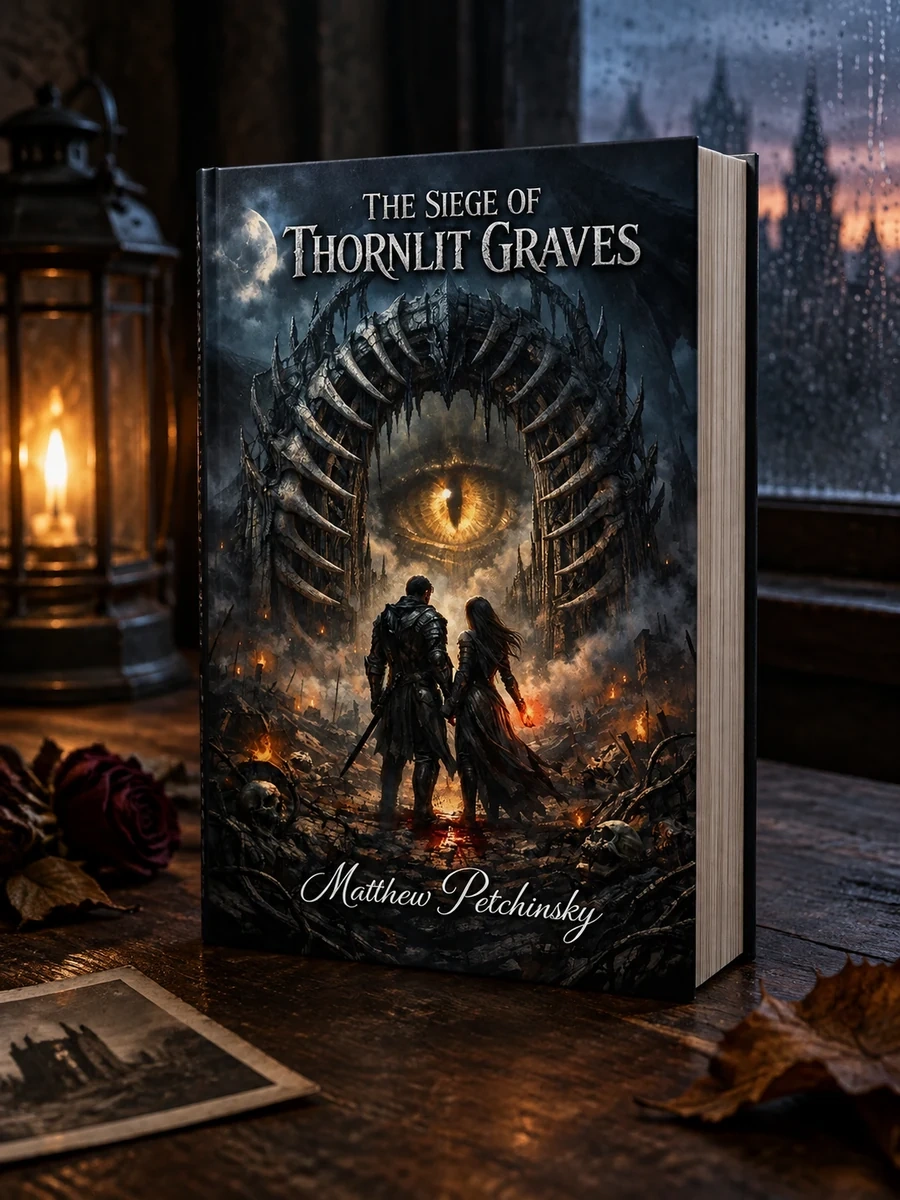
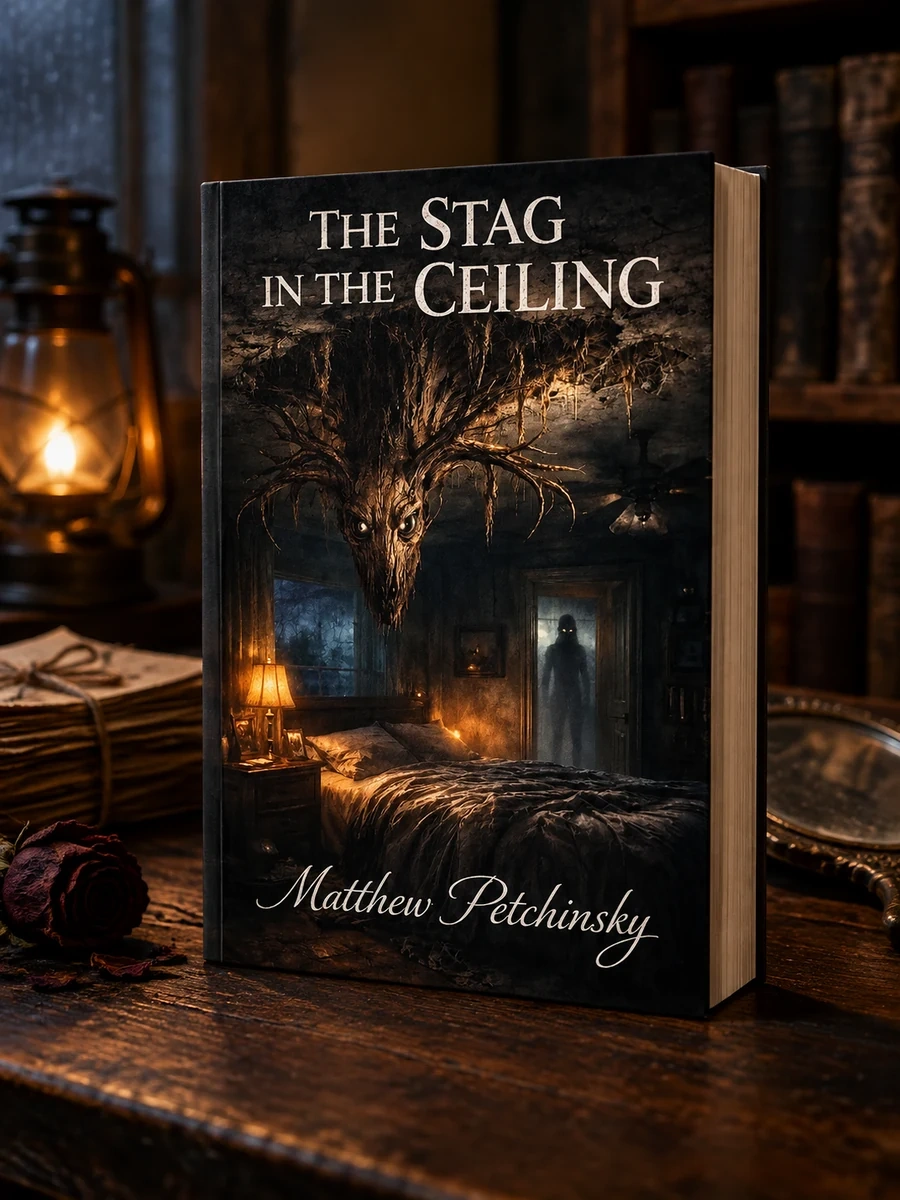
🏛 Books from this publisher Apophis Enterprises LLC
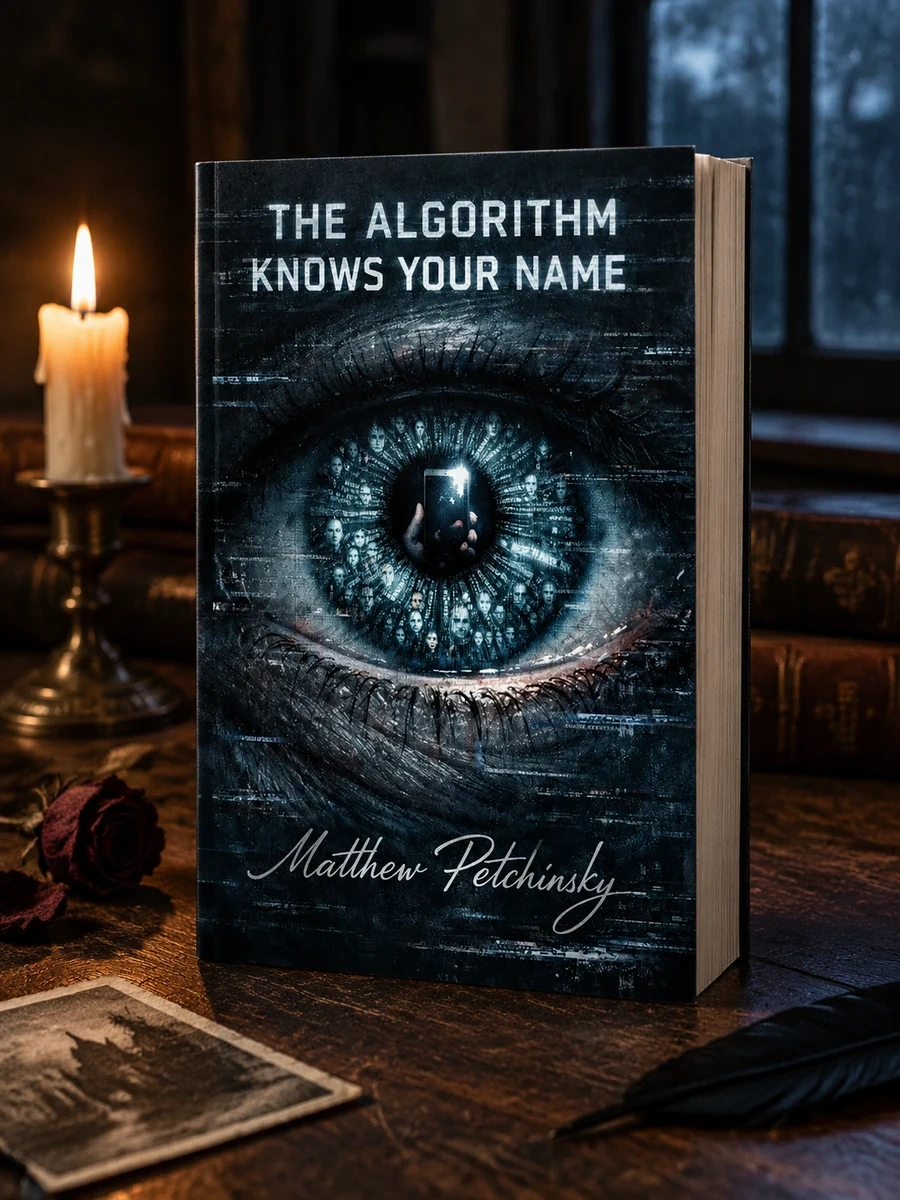
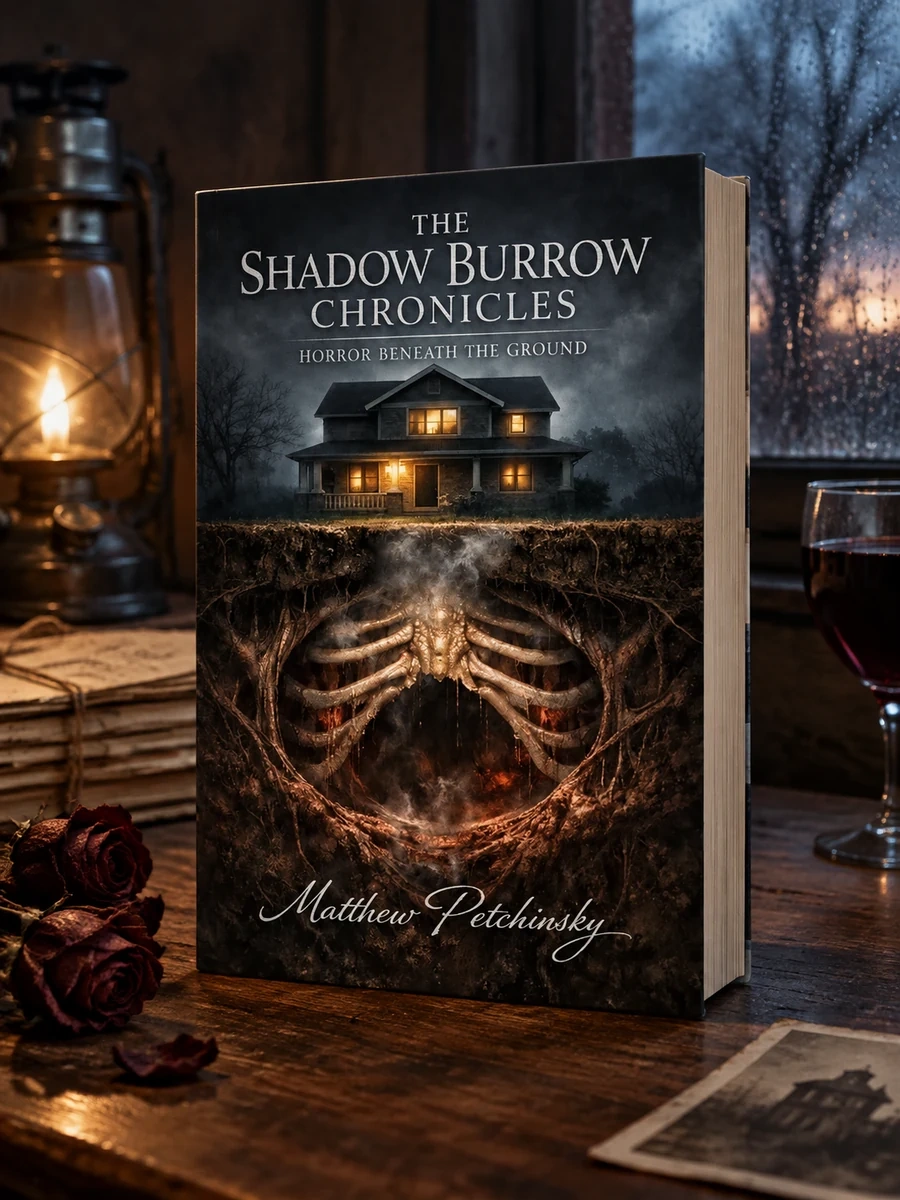
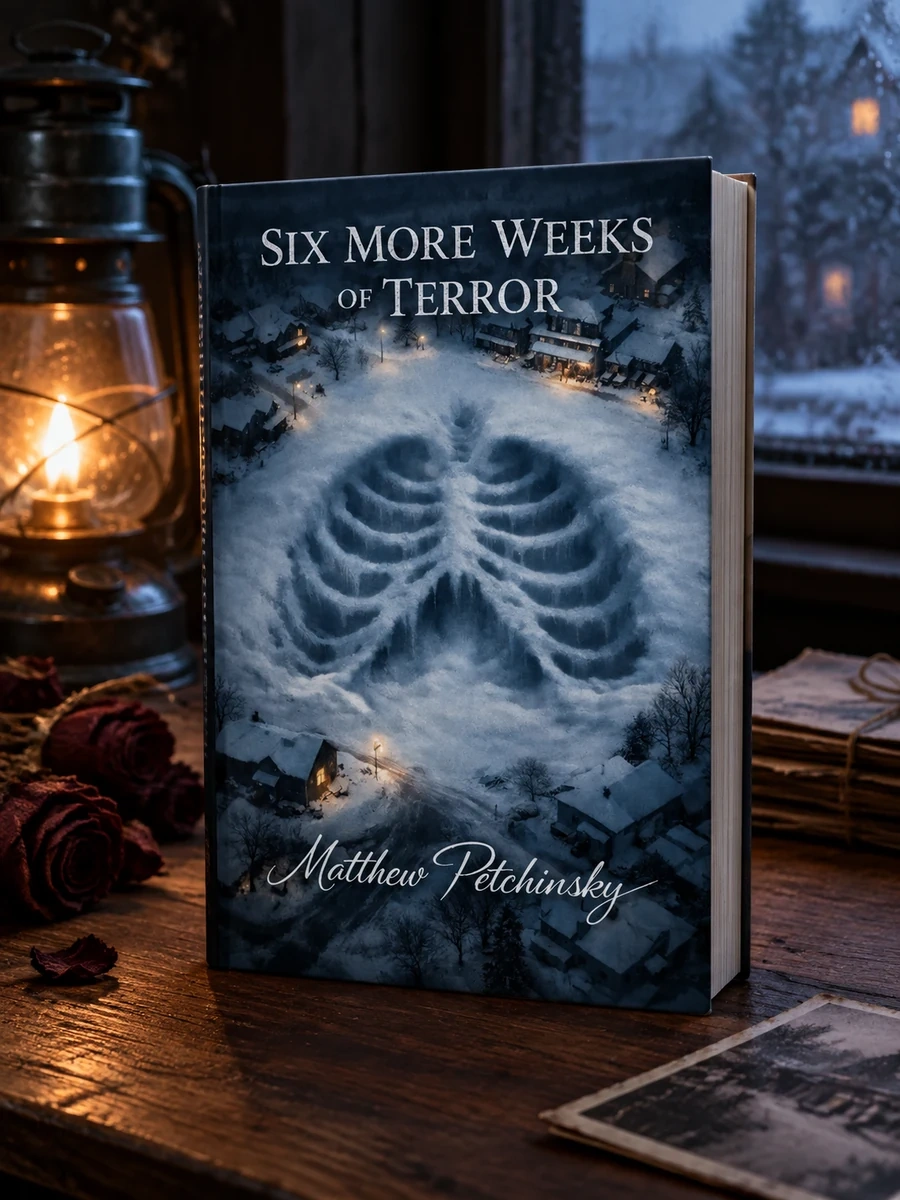
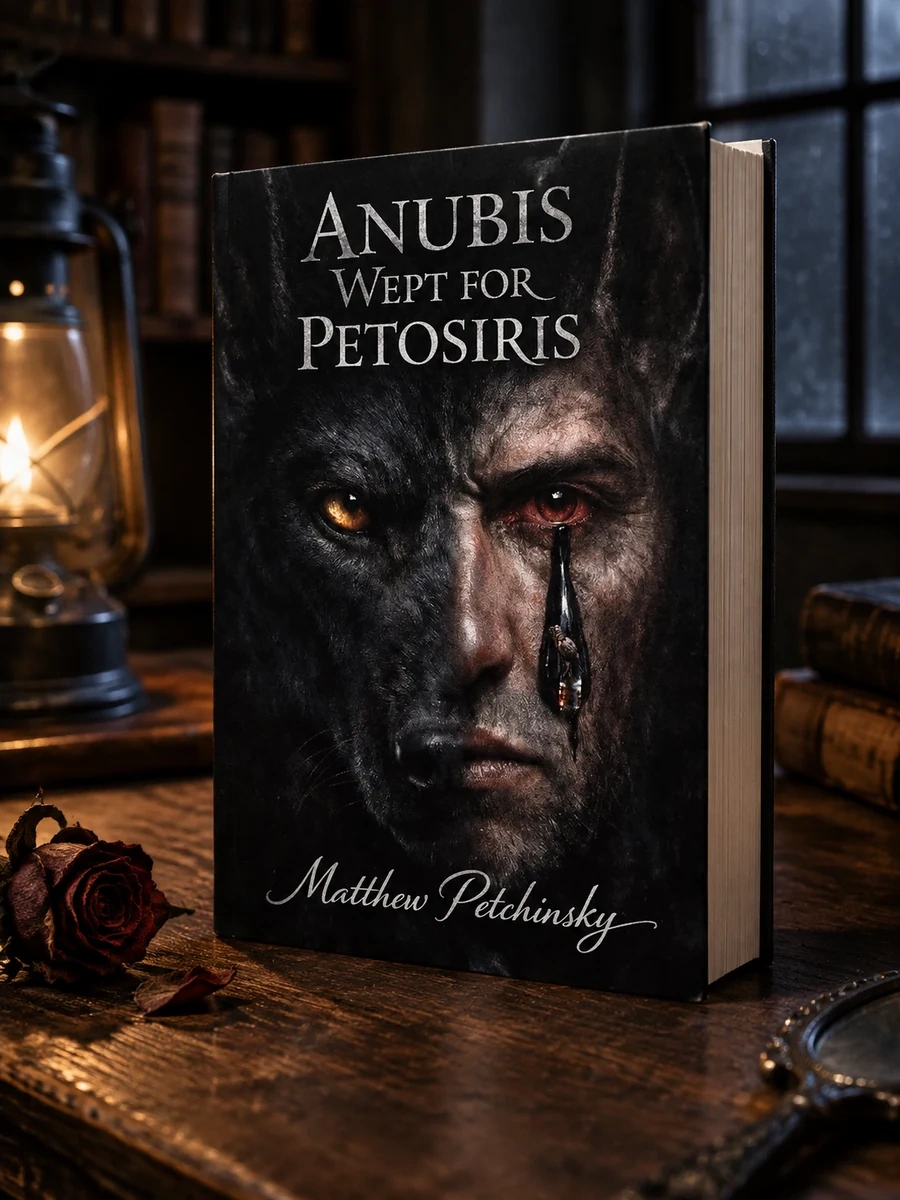


You might also like
See more →
Have a question about this item?
Ask about the edition, condition, delivery or anything else — we reply by email or phone, usually within a day.
