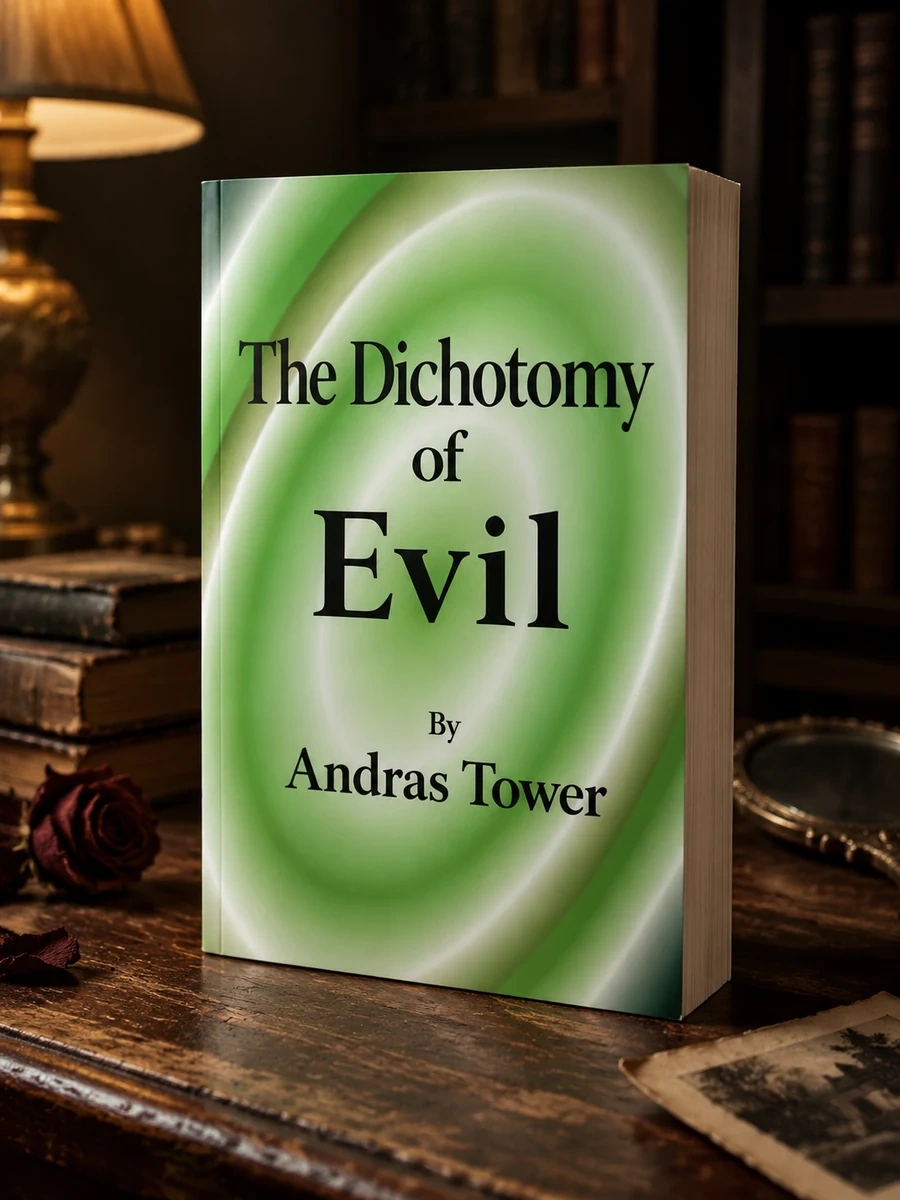

The Dichotomy of Evil
A memoir-style guide to demonology featuring Bert Debarge's descent into madness.
The narrative centers on Bert Debarge, who lives near the Dorset, Belgium border and experiences schizophrenia. He hears voices and remembers others' actions, leading him to believe demons are possessing people. Tower uses this premise to explain magic, demonic origins, and methods for defeating them. The text includes chapters on sexual expertise with demons and pagan philosophy regarding evil's existence. Bert’s life falls apart as he deciphers messages and conducts magical experiments. The book combines these personal events with theoretical explanations of the supernatural world.
Published in 2007 by Trafford Publishing, this work sits within contemporary occult literature. It draws on biblical references and pagan traditions to construct its theories on demonology. The setting near the Dorset, Belgium border grounds the supernatural elements in a specific geographic context.


📝 Description: The Dichotomy of Evil
💎 Our verdict on The Dichotomy of Evil
📖 Why choose it
Why this book is worth reading
Readers fascinated by the intersection of mental illness and supernatural belief will find this text compelling. It offers a rare glimpse into a memoir-style guide to demonology, where theoretical explanations of magic are inextricably linked to the author’s personal descent into insanity. Those interested in pagan philosophy and the theological justifications for evil will appreciate the detailed exploration of demonic origins and the nature of possession. The book appeals to those who enjoy unconventional narratives that defy strict genre boundaries, providing a unique perspective on how one man’s unraveling sanity shapes his understanding of the occult world.
⭐ Reader reviews
Reader rating
Andras Tower presents a distinctive hybrid of autobiography and instructional occultism in this unsettling volume. By framing demonic theory through the lens of a protagonist’s schizophrenia, the narrative creates an eerie atmosphere where reality and hallucination merge seamlessly. The text excels in its detailed examination of pagan philosophy and practical demonology, offering readers a structured yet chaotic view of supernatural mechanics. While it may disappoint those seeking traditional horror plots or theological orthodoxy, it serves as a potent study for fans of psychological dread and esoteric fiction. The alternating structure between theory and personal narrative effectively builds tension, making it a valuable addition to collections focused on dark fantasy and cosmic horror.
📖 Read on the blog
✍️ More books by this author Andras Tower
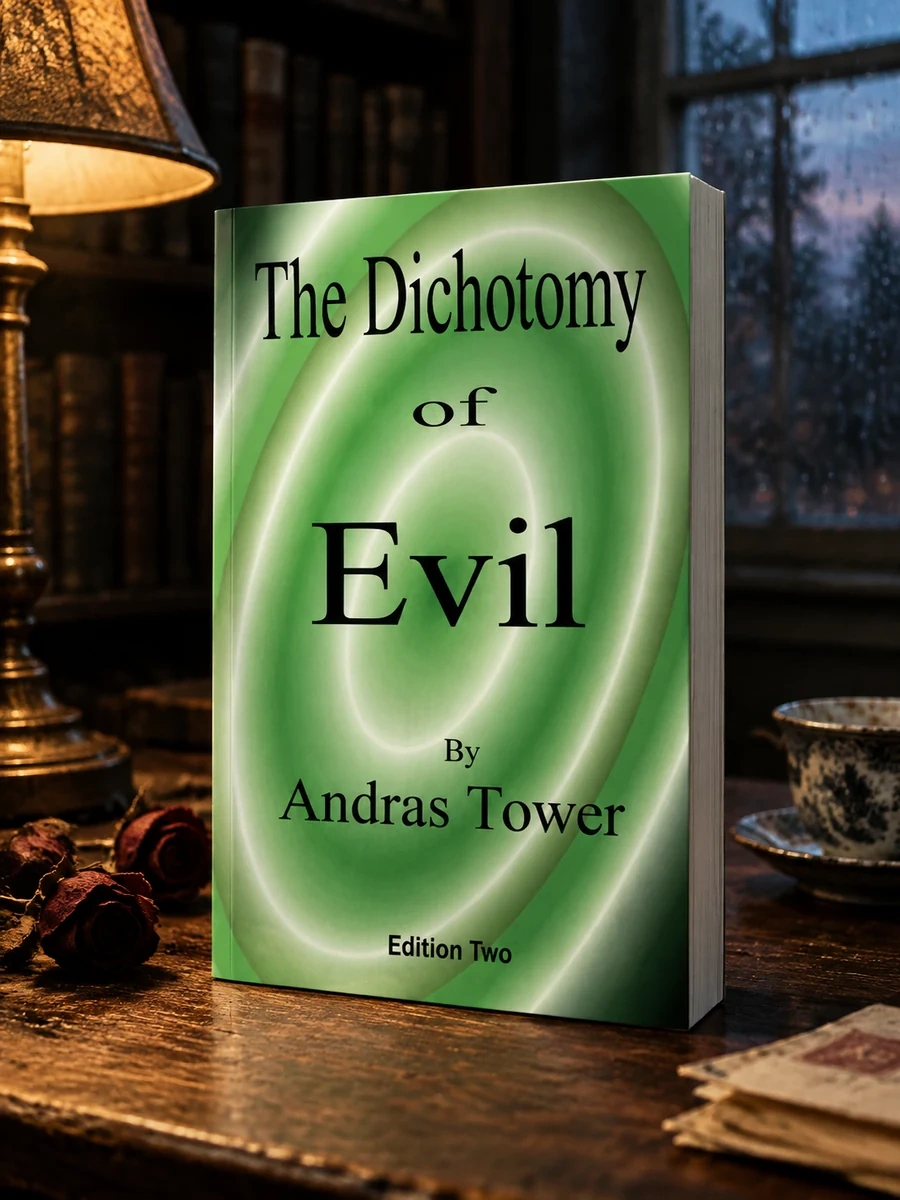


🏛 Books from this publisher Trafford Publishing
You might also like
See more →


Have a question about this item?
Ask about the edition, condition, delivery or anything else — we reply by email or phone, usually within a day.
