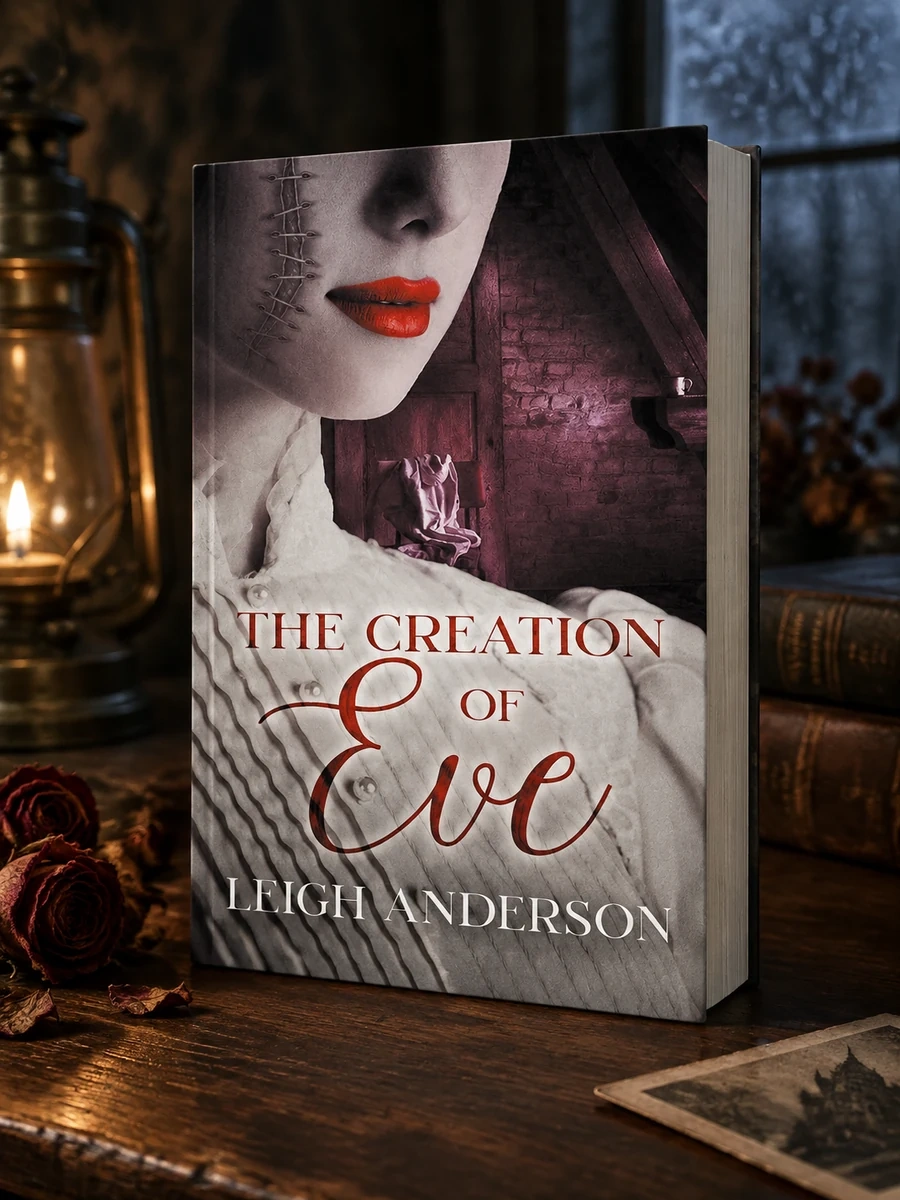
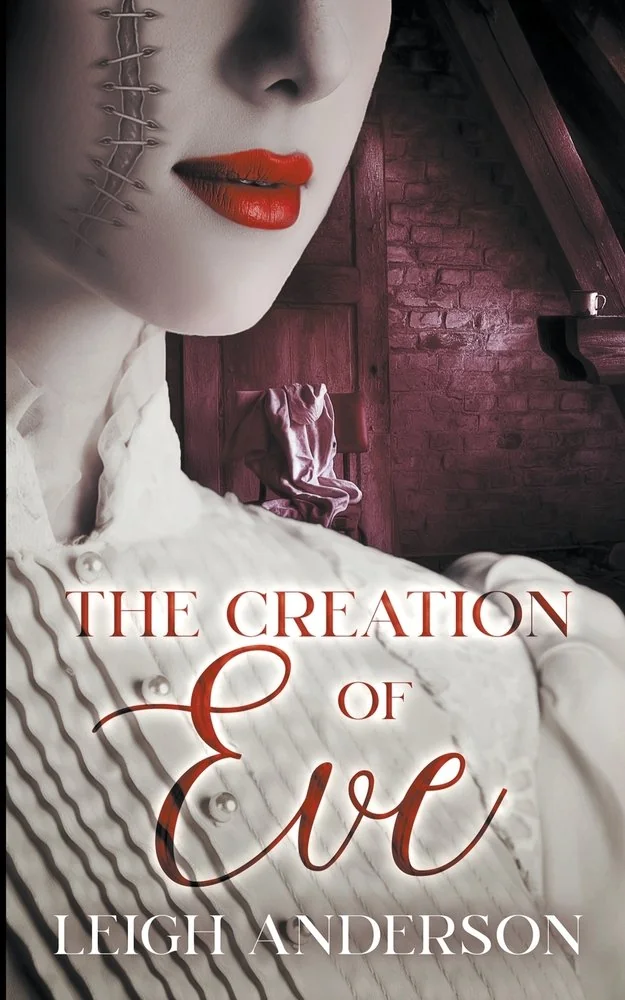
The Creation of Eve
A gothic novel about a woman recovering traumatic memories through hypnosis.
Anderson explores the psychological aftermath of severe trauma through the lens of gothic fiction. The narrative focuses on the protagonist’s journey from amnesia to painful self-discovery. By utilizing hypnosis as a plot device, the author reveals how past violence shapes present identity. The story challenges readers to question who holds power over memory and truth. It connects modern horror sensibilities with classic literary influences, offering a dense character study rather than a simple thriller. The tone remains dark and introspective throughout.
The book sits within the American independent publishing landscape, released by Red Empress Publishing in 2020. It aligns with contemporary interest in reimagining gothic tropes and psychological horror. The work engages with literary traditions established by Shelley and Atwood, bridging historical fiction styles with modern supernatural themes.


📝 Description: The Creation of Eve
💎 Our verdict on The Creation of Eve
📖 Why choose it
Why this book is worth reading
Readers seeking a dense character study over simple thrills will find value in this introspective descent into the psyche of a trauma survivor. The book appeals to those interested in how past violence shapes present identity and who enjoy exploring the fragility of selfhood under extreme duress. It is ideal for fans of psychological horror who appreciate the blurring of lines between victim and perpetrator, offering a narrative that challenges perceptions of memory, truth, and bodily autonomy without providing clear moral resolutions.
⭐ Reader reviews
Reader rating
Anderson delivers a dark, introspective exploration of traumatic memory through the lens of gothic fiction. By utilizing hypnosis as a structural device, the author peels back layers of suppressed horror, revealing how identity is constructed and deconstructed. The narrative succeeds in maintaining a tense atmosphere where the nature of the monster remains ambiguous. It suits readers who appreciate classic literary influences blended with modern psychological sensibilities. However, those seeking straightforward action or definitive answers may find the doubt surrounding the protagonist’s reality frustrating. This work is a compelling examination of forced memory recovery and its consequences.
You might also like
See more →







Have a question about this item?
Ask about the edition, condition, delivery or anything else — we reply by email or phone, usually within a day.
