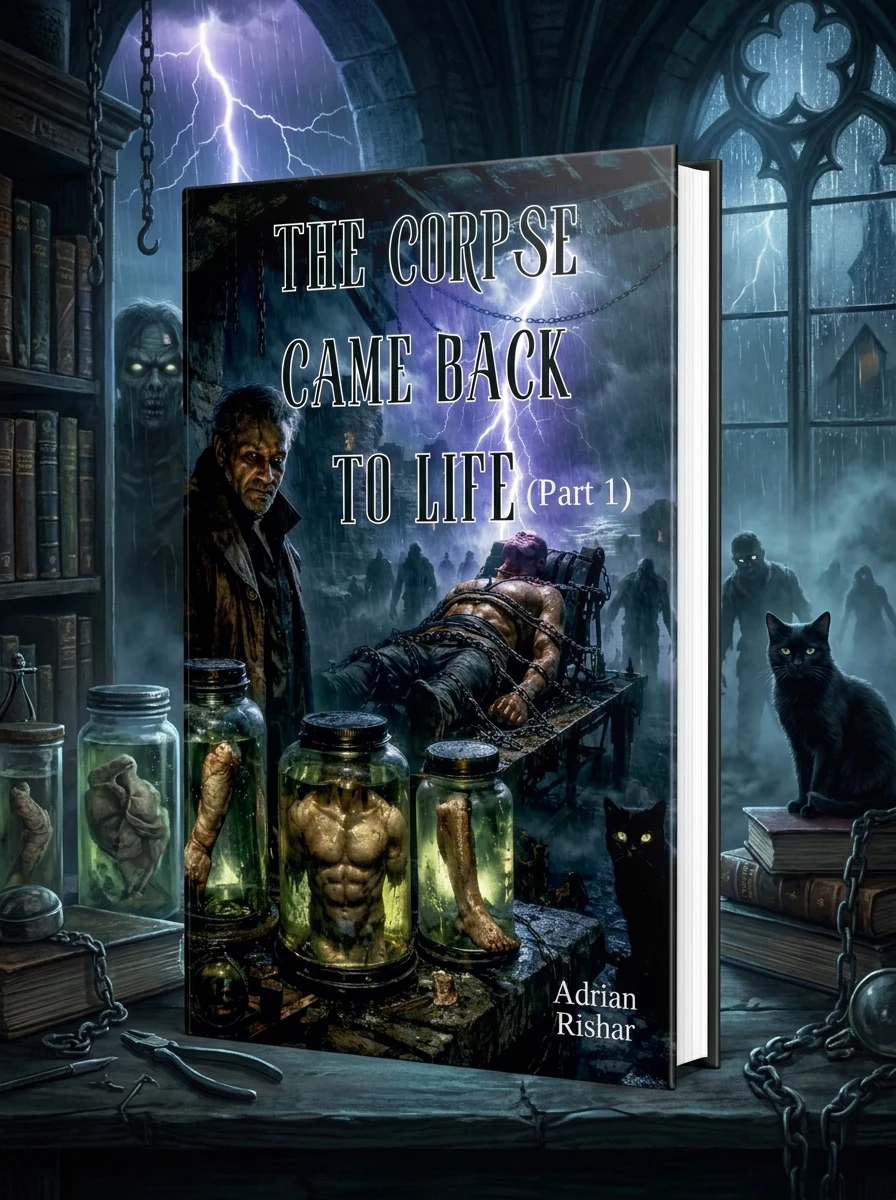
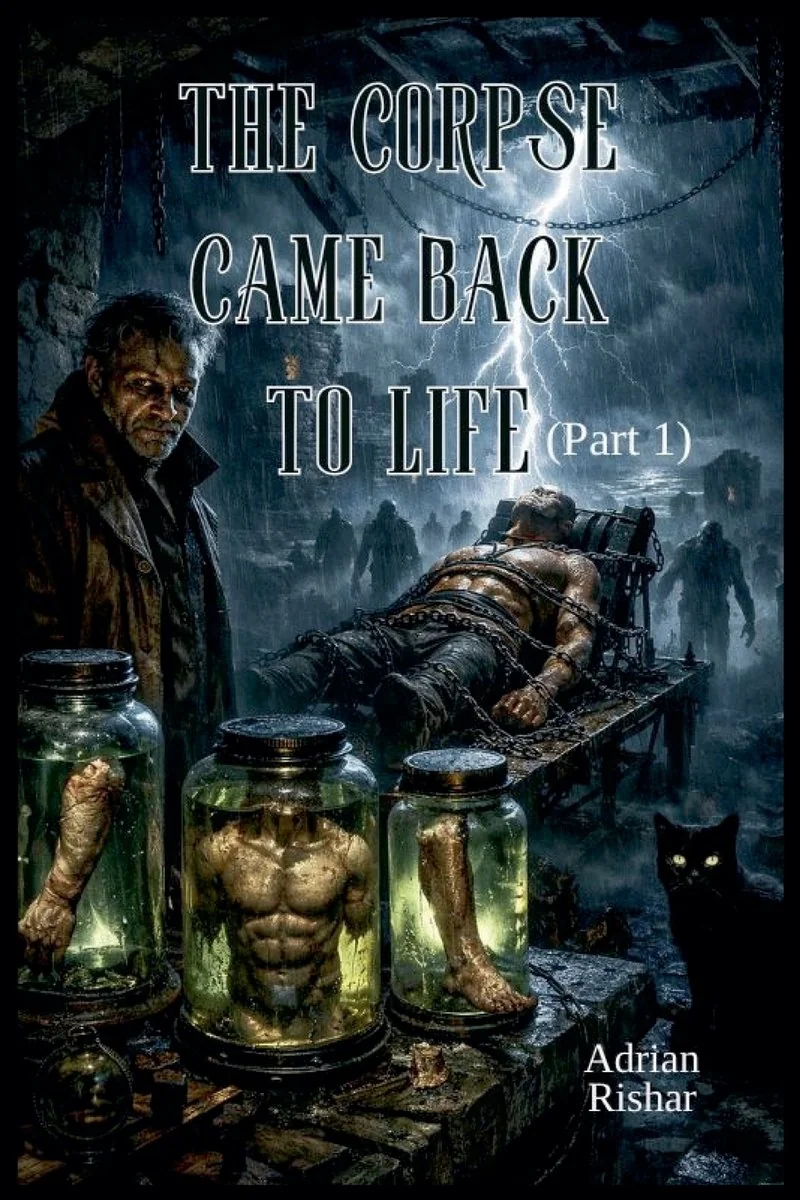
The Corpse Came Back to Life (Part 1)
A doctor's grave-robbing experiment triggers supernatural vengeance in a gothic seaside fort.
Rishar constructs a narrative where scientific ambition collides with ancient laws. The protagonist’s greed drives him to steal bodies, believing he can cheat mortality. His accomplices facilitate the theft, but their actions awaken forces beyond comprehension. The text examines how guilt and madness consume those who violate natural order. It does not offer redemption for these characters. Instead, it shows the inevitable collapse of their plan under supernatural pressure.
The story sits within the gothic fiction tradition, utilizing classic tropes of forbidden experiments and restless spirits. It evokes the atmosphere of 19th-century horror literature, focusing on the clash between scientific progress and spiritual retribution in a isolated, stormy environment.


📝 Description: The Corpse Came Back to Life (Part 1)
💎 Our verdict on The Corpse Came Back to Life (Part 1)
📖 Why choose it
Why this book is worth reading
Readers drawn to the psychological decay of characters who succumb to greed and madness will find this narrative compelling. It offers a stark exploration of scientific hubris without offering redemption, appealing to those who enjoy dark gothic tales where ambition leads to inevitable collapse. Fans of supernatural vengeance narratives set in stormy, isolated environments will appreciate the atmospheric pressure applied to the protagonist’s forbidden experiment. The book suits those seeking lighthearted entertainment is strictly avoided; instead, it delivers a grounded, terrifying examination of violating natural order within a fog-shrouded fort.
⭐ Reader reviews
Reader rating
Rishar effectively constructs a gothic atmosphere where scientific ambition collides with ancient laws, creating a palpable sense of dread. The narrative excels in depicting the psychological deterioration of characters who attempt to cheat mortality, grounding their horror in the specific isolation of a seaside fort. By focusing on guilt and madness rather than action, the story maintains a tense, claustrophobic tone suitable for enthusiasts of classic supernatural fiction. It avoids modern realism, leaning instead into the traditions of cosmic and psychological horror. This approach ensures the terror feels earned and inevitable, satisfying readers who prefer atmospheric dread over explicit gore.
📖 Read on the blog
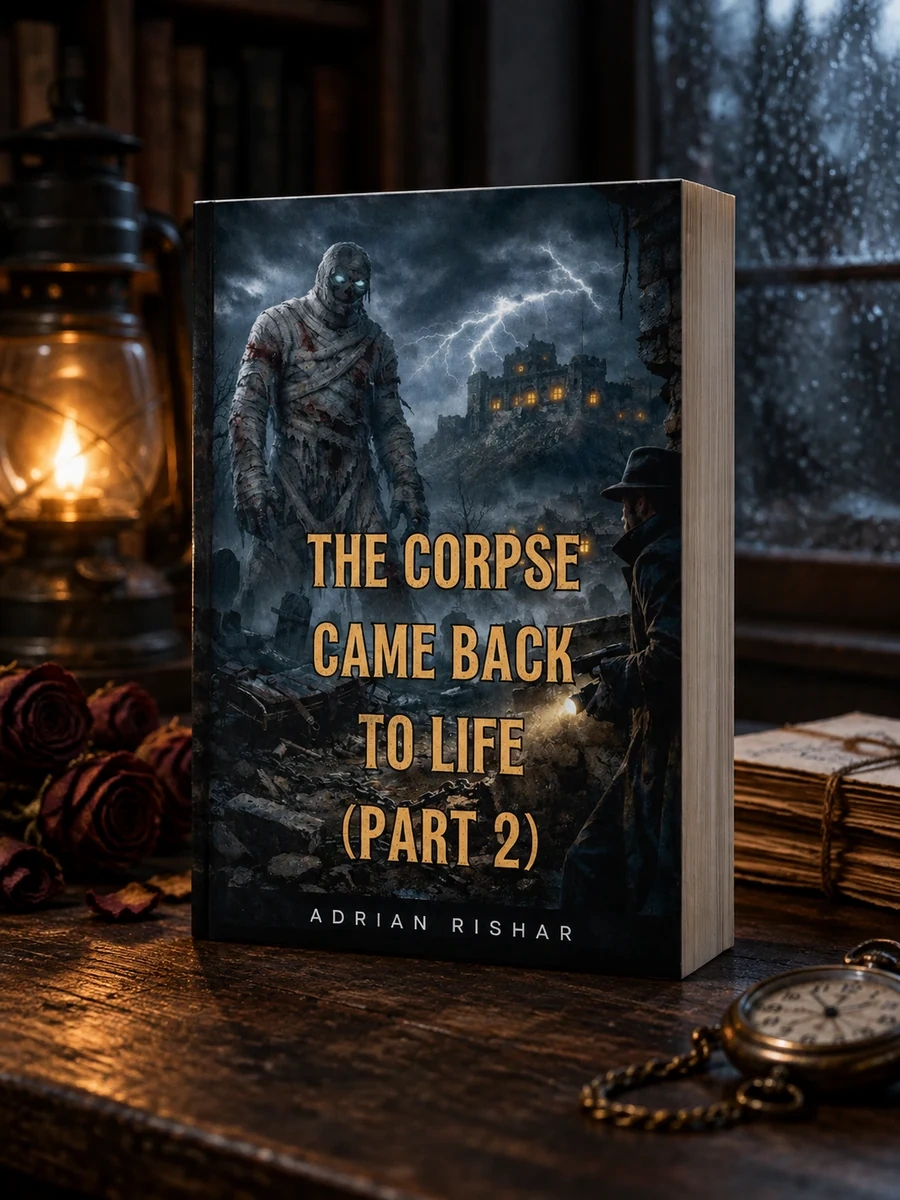
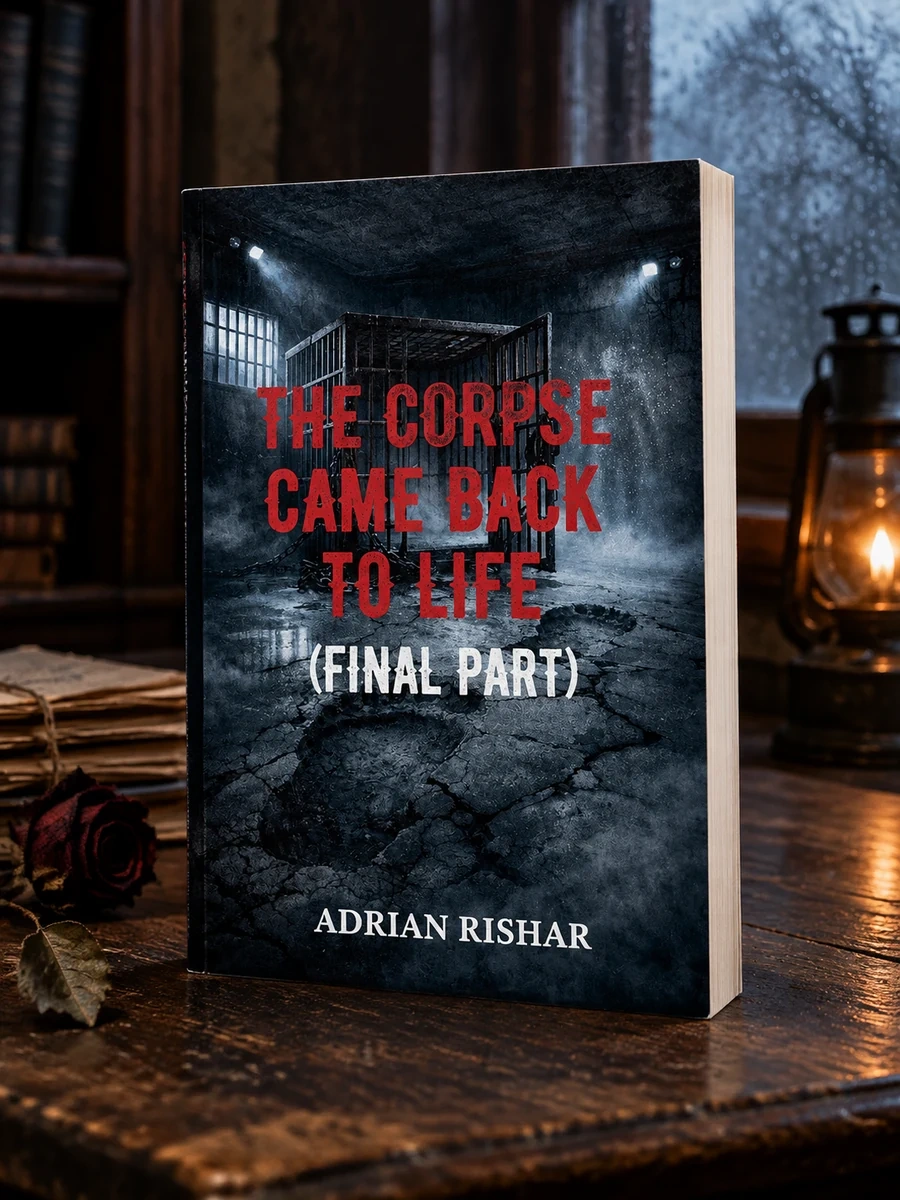
📖 From the series “The Corpse Came Back to Life”


✍️ More books by this author Adrian Rishar
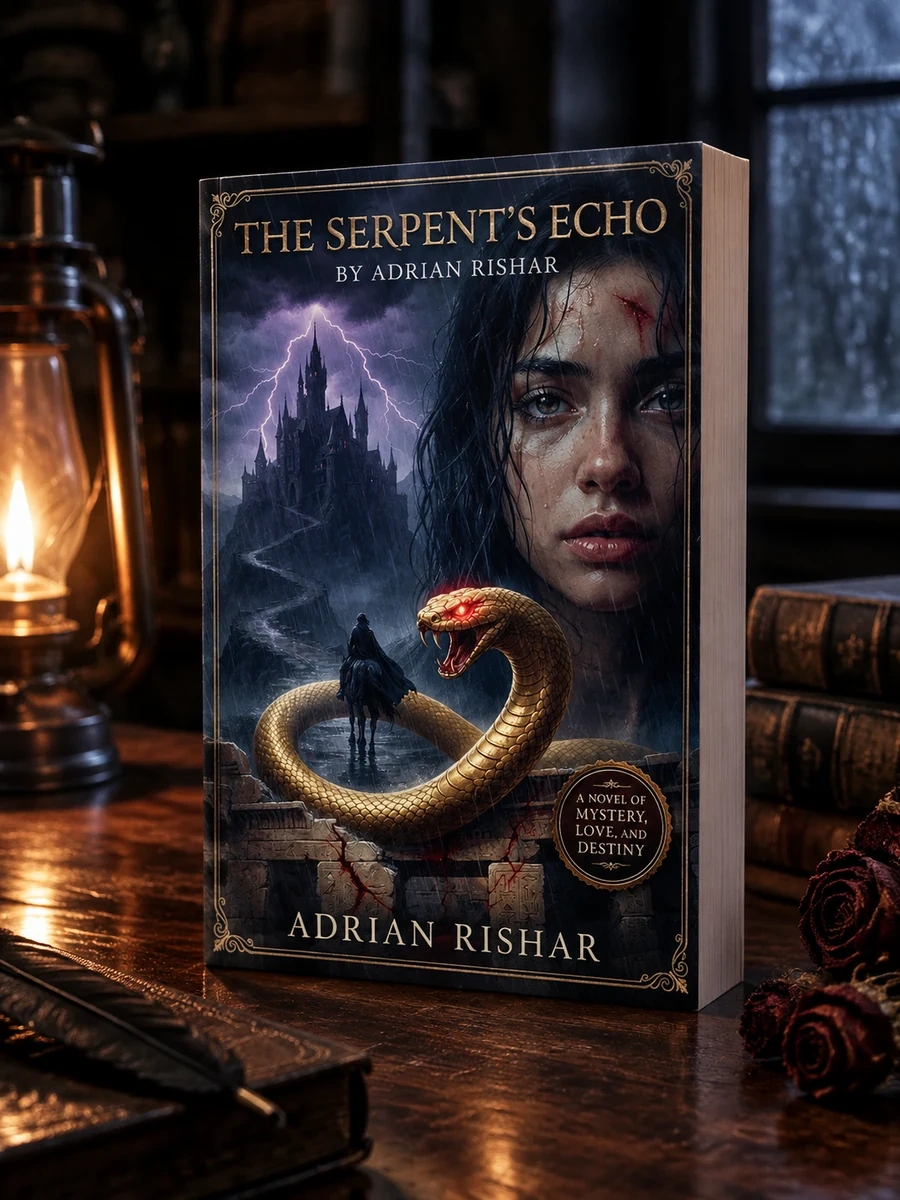

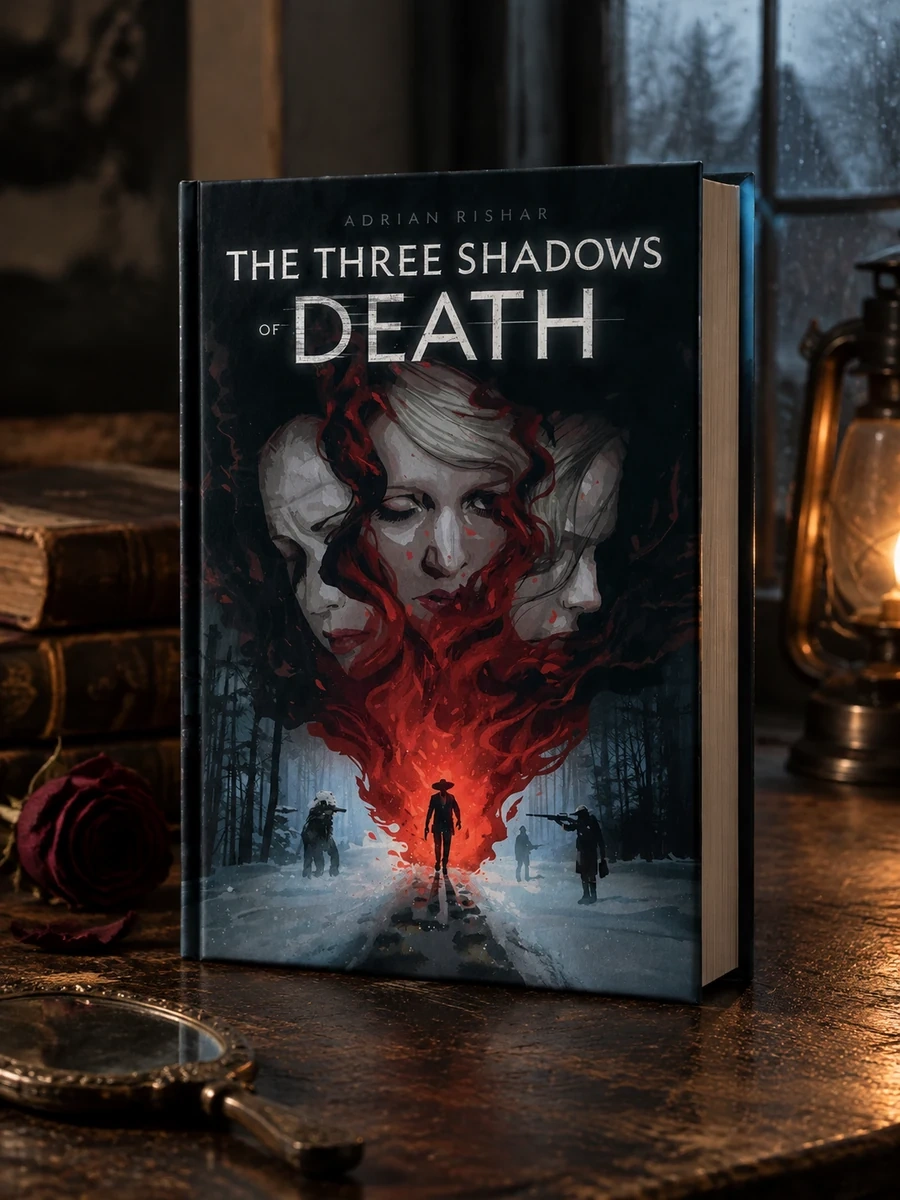
🏛 Books from this publisher Adrian Rishar
You might also like
See more →

Have a question about this item?
Ask about the edition, condition, delivery or anything else — we reply by email or phone, usually within a day.
