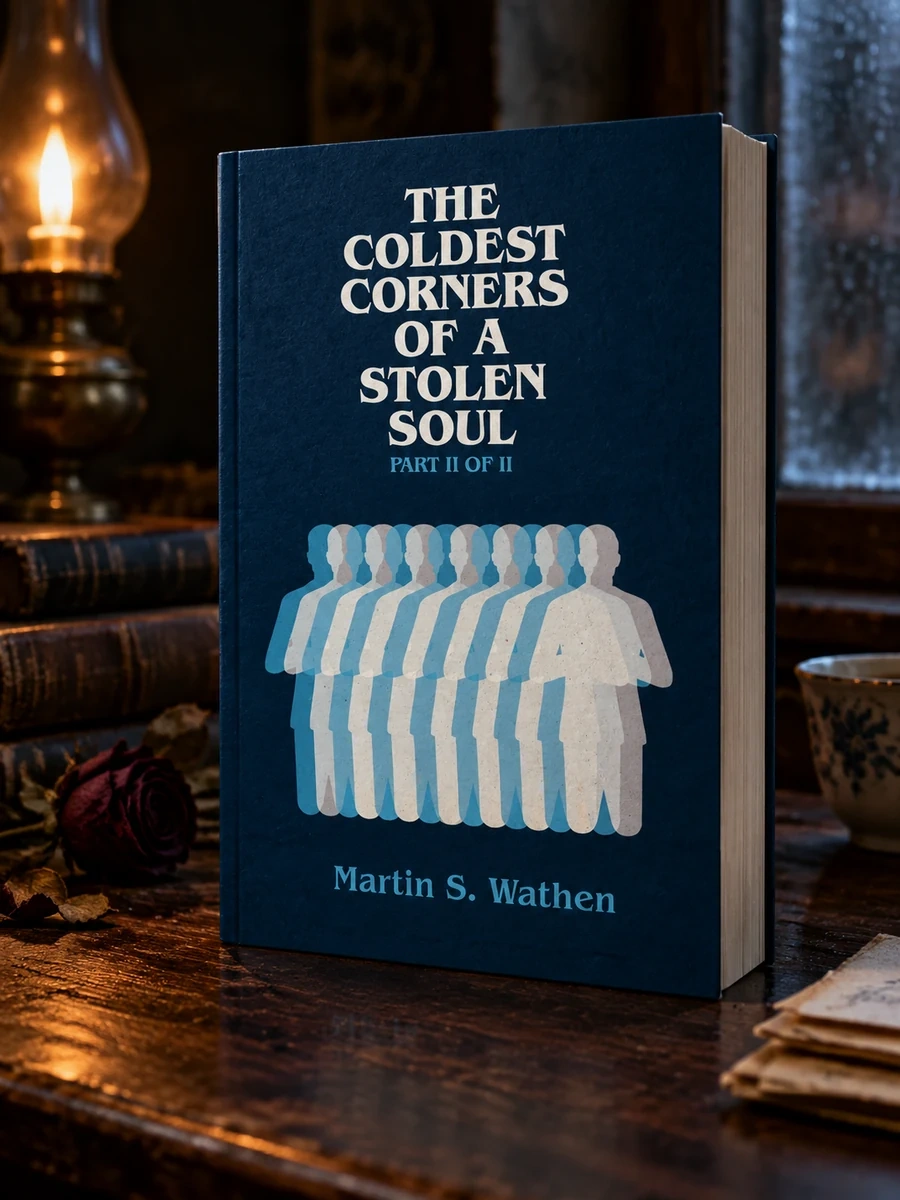
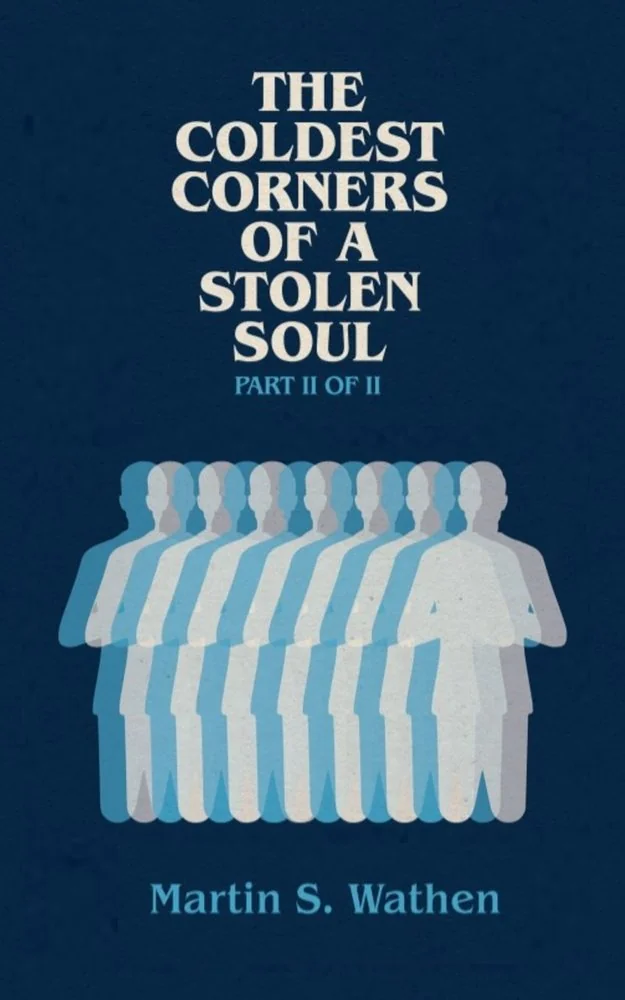
The Coldest Corners Of A Stolen Soul
A gothic horror conclusion about a town buried in snow and paranoia.
The narrative focuses on the disintegration of Chamomile, where perfect images shatter under the weight of hidden malice. Rudyard Stockwell must face a labyrinth formed by his neighbors, who may have become monstrous versions of their former selves. The story highlights the danger of maintaining overt purity in a domain where such facades hold immense value. Wathen uses the setting of deep snow and enclosing timber to create a sense of entrapment. The text does not offer escape but rather a descent into the reality that innocence can be a mask for severe aggression. This final installment resolves the duology by showing the complete collapse of the town’s social order.
This 2022 independent publication sits within the modern tradition of abstract horror fiction. It draws on gothic literary elements to explore supernatural dread in a contemporary setting, focusing on the psychological impact of isolation and the breakdown of social structures.


📝 Description: The Coldest Corners Of A Stolen Soul
💎 Our verdict on The Coldest Corners Of A Stolen Soul
📖 Why choose it
Why this book is worth reading
Readers who appreciate slow-burn psychological terror and abstract storytelling will find this conclusion satisfying, as it offers a stark examination of human fragility when stripped of societal norms. The book is ideal for those drawn to gothic traditions of domestic horror and supernatural dread, focusing on the psychological collapse of characters forced to confront the monstrous nature of those they trust. It appeals to individuals interested in the danger of maintaining overt purity in domains where such facades hold immense value. Those who enjoy navigating labyrinths formed by paranoia and hidden malice will appreciate the narrative’s emphasis on atmospheric tension rather than traditional plot progression, providing a profound look at how isolation turns community into entrapment.
⭐ Reader reviews
Reader rating
Martin S Wathen delivers a claustrophobic conclusion to his duology, effectively utilizing deep snow and enclosing timber to create a sense of inescapable dread. The narrative brilliantly dissects the shattering of perfect images under hidden malice, presenting neighbors as distorted figures within a labyrinth of hostility. While the abstract prose may challenge readers seeking clear resolutions or fast-paced action, it rewards those attuned to subtle psychological shifts and gothic atmosphere. The text excels in portraying the terrifying lengths individuals go to maintain social facades, turning innocence into a mask for aggression. This is a potent study of paranoia and the collapse of social order, suited for connoisseurs of abstract horror who value mood and thematic resonance over conventional plotting.
📖 Read on the blog
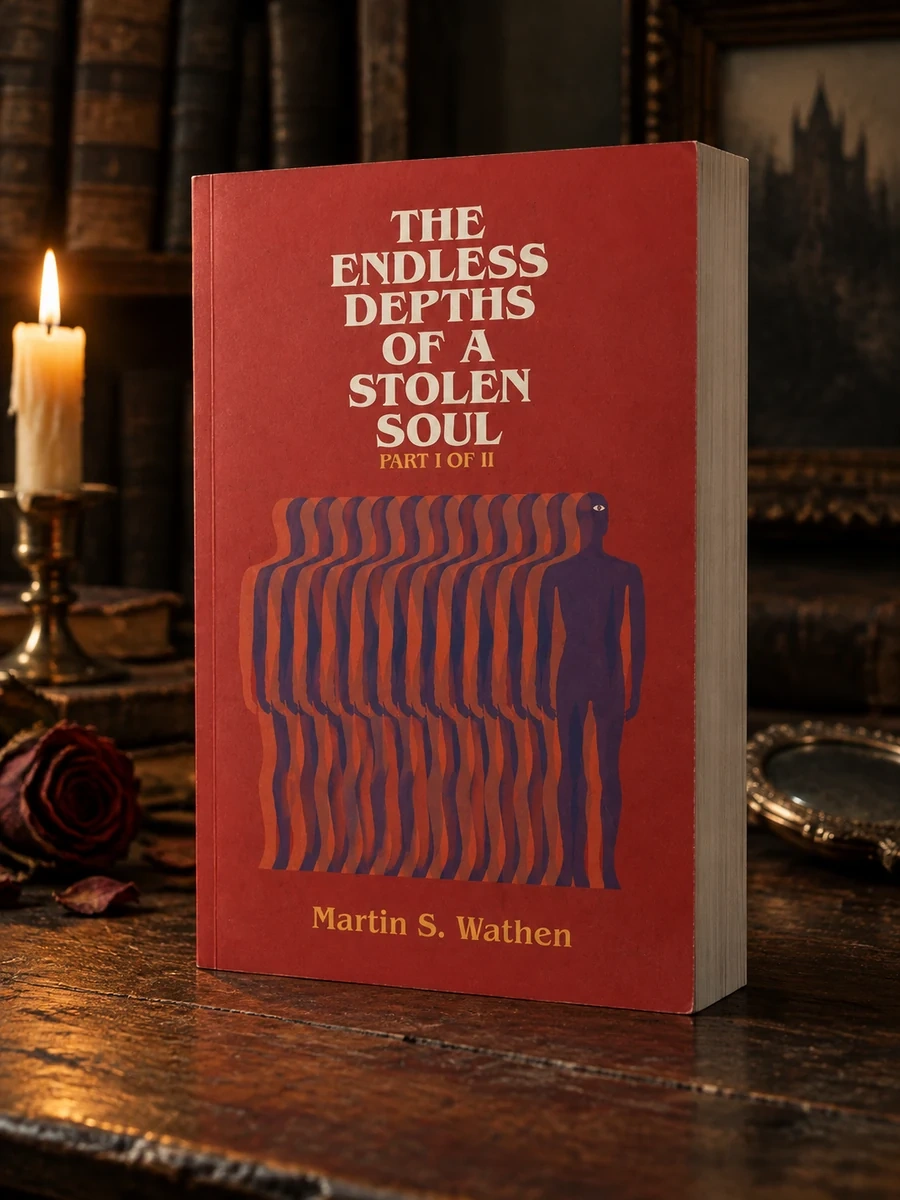
✍️ More books by this author Martin S Wathen


🏛 Books from this publisher Independently Published






You might also like
See more →
Have a question about this item?
Ask about the edition, condition, delivery or anything else — we reply by email or phone, usually within a day.
