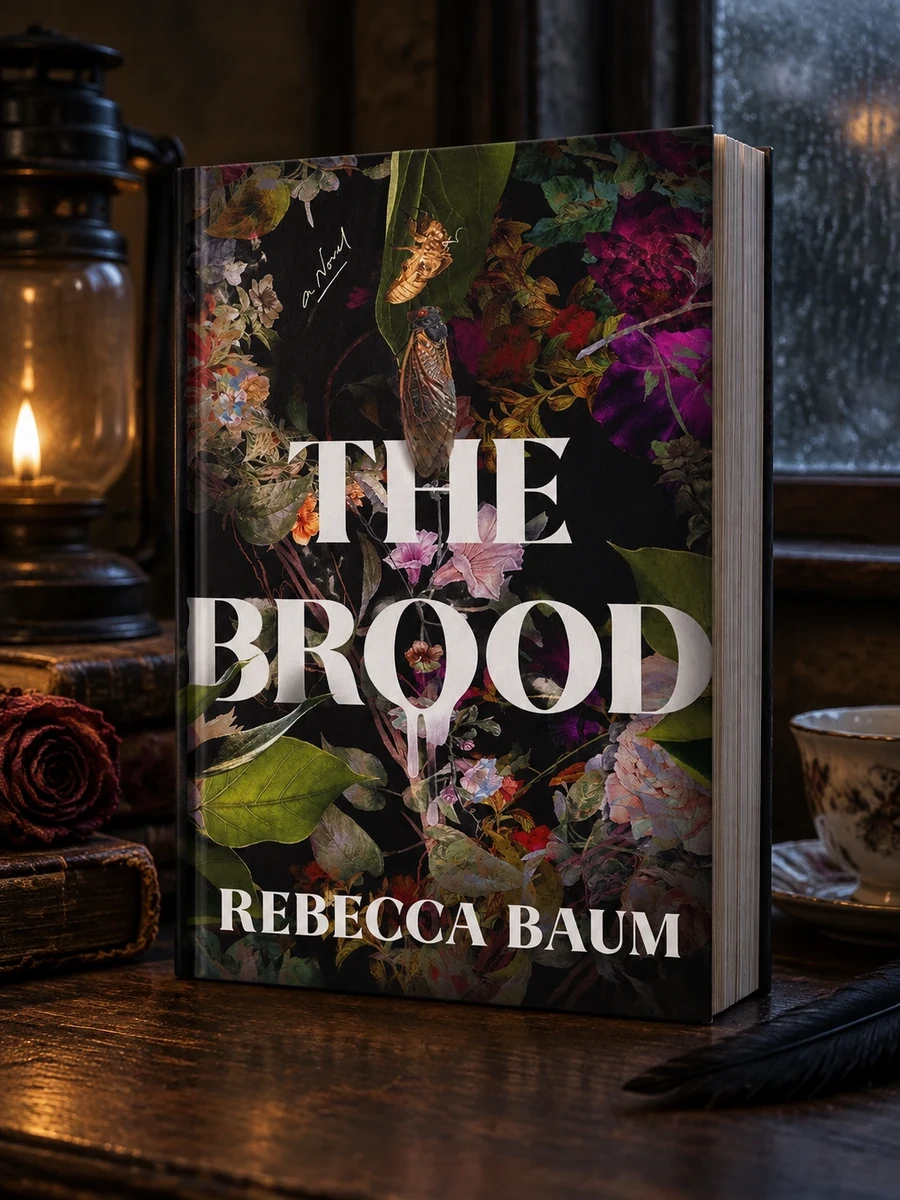
The Brood
A lawyer trapped by cicadas faces a brutal test of womanhood in a remote forest.
Mary Whelton escapes New York media attention by driving into the woods. Her escape ends when she crashes into a swarm of cicadas. She finds herself captive in a cabin with Girl, who believes Mary is her mother. The situation forces Mary to confront her past and a mysterious Brood. The narrative focuses on the physical and psychological toll of this captivity. It examines how women navigate pain and necessary change. The story uses the cicada's life cycle as a framework for understanding female experience. Baum presents a world where the natural and supernatural intersect violently. The plot does not offer easy resolutions or safe havens. Instead, it demands that Mary accept a difficult role in a larger cycle. This approach creates a chilling atmosphere rooted in bodily autonomy and fear.
This work sits within the tradition of magical realism and horror fiction. It draws on themes of female experience and the natural world. The story is set in New York City and upstate New York forests. It reflects contemporary anxieties about media scrutiny and personal history.


📝 Description: The Brood
💎 Our verdict on The Brood
📖 Why choose it
Why this book is worth reading
Readers who appreciate atmospheric horror that prioritizes thematic depth over simple shock value will find this book compelling. It offers a unique exploration of womanhood, pain, and transformation through the lens of cosmic and psychological dread. The narrative appeals to those interested in how natural cycles intersect with supernatural terror. By focusing on bodily autonomy and the messy necessity of growth, it provides a chilling examination of female experience. The tension between urban professionalism and rural isolation creates a distinct mood for fans of gothic-tinged thrillers. It is ideal for audiences seeking stories where the horror stems from inevitable change rather than external monsters alone.
⭐ Reader reviews
Reader rating
Rebecca Baum crafts a visceral narrative that merges legal thriller pacing with supernatural horror, creating a distinctive reading experience. The book excels in its use of the cicada as a central metaphor for emergence and burden, grounding abstract themes of female transformation in concrete, terrifying imagery. The shift from New York media chaos to forest cabin isolation effectively highlights the protagonist's internal struggle. While it lacks easy resolutions, this ambiguity serves the story's exploration of necessary pain. It suits readers who enjoy complex character studies wrapped in horror. Those seeking straightforward legal dramas may find the supernatural elements distracting, but fans of psychological tension will appreciate the chilling atmosphere and bold examination of bodily autonomy.
📖 Read on the blog
🏛 Books from this publisher Thomas & Mercer


You might also like
See more →



Have a question about this item?
Ask about the edition, condition, delivery or anything else — we reply by email or phone, usually within a day.
