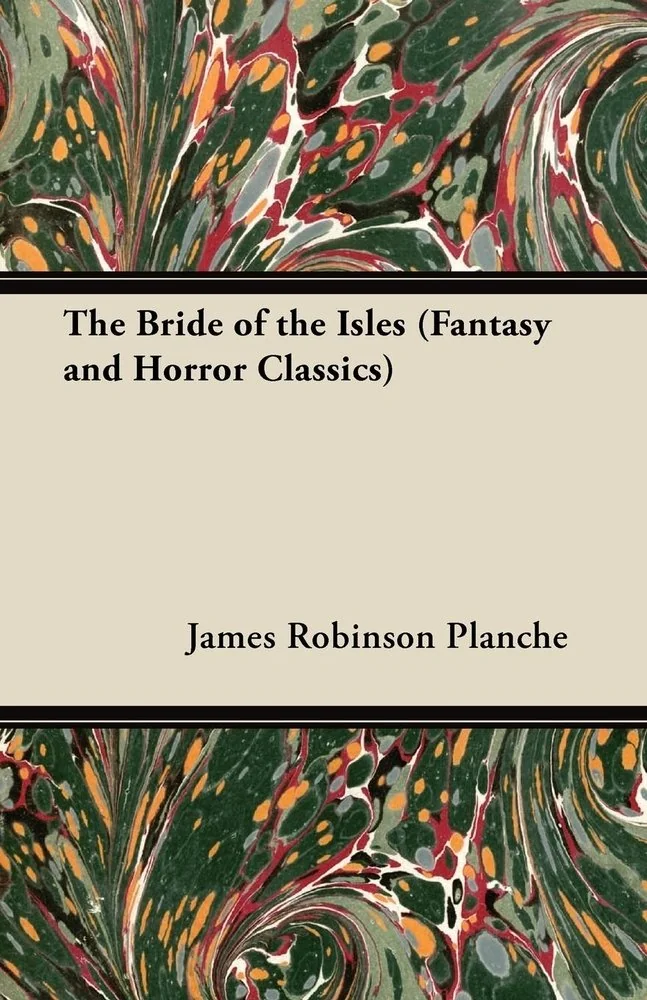
The Bride of the Isles (Fantasy and Horror Classics)
Planche's 1820 stage adaptation of Polidori's vampire story features Lord Ruthven courting Lady Margaret.
This work recounts the terror surrounding Lady Margaret as she faces a betrothed man who is secretly a cursed vampire. Lord Ruthven arrives in the Scottish Isles under the guise of the Earl of Marsden, bringing with him a history of blood sacrifices. His charm masks a predatory nature driven by an inability to find rest. The story follows the desperate efforts of her father, Lord Ronald, to reveal the truth before the marriage takes place. The narrative highlights the tension between supernatural dread and social expectation. It demonstrates how early 19th-century theater reimagined horror through the lens of romantic nobility rather than mere monster fiction.
Published in 2011 by Fantasy and Horror Classics, this volume preserves a groundbreaking 1820 Romantic Melo-Drama. It marks the moment the vampire became a seductive figure of nobility on the English stage, shifting from folklore to literary iconography through Planche's adaptation of Polidori's work.


📝 Description: The Bride of the Isles (Fantasy and Horror Classics)
💎 Our verdict on The Bride of the Isles (Fantasy and Horror Classics)
📖 Why choose it
Why this book is worth reading
Readers interested in the literary origins of vampire lore and early Gothic theater will find this text essential. It offers a unique glimpse into how the creature of rumor was transformed into a sophisticated antagonist on the English stage. The narrative highlights the tension between supernatural dread and social expectation, appealing to those who study the evolution of horror tropes. While modern readers seeking complex character studies or contemporary horror styles may find the melodramatic structure less engaging, this work remains vital for understanding how romantic nobility reshaped early 19th-century fear.
⭐ Reader reviews
Reader rating
Planche successfully adapts Polidori’s source material into a Romantic Melo-Drama that established the vampire as a seductive noble figure. The text effectively captures the era's fascination with aristocratic evil, blending supernatural terror with social commentary. Lady Margaret’s prophetic visions and Lord Ruthven’s predatory charm create a compelling atmosphere of impending doom. This edition preserves the historical significance of a work that redefined horror for its time. It suits scholars of Gothic theater and fans of classic vampire origins best, though those preferring modern psychological depth might find the melodramatic conventions dated.
📖 Read on the blog
🏛 Books from this publisher Fantasy and Horror Classics


You might also like
See more →

Have a question about this item?
Ask about the edition, condition, delivery or anything else — we reply by email or phone, usually within a day.
