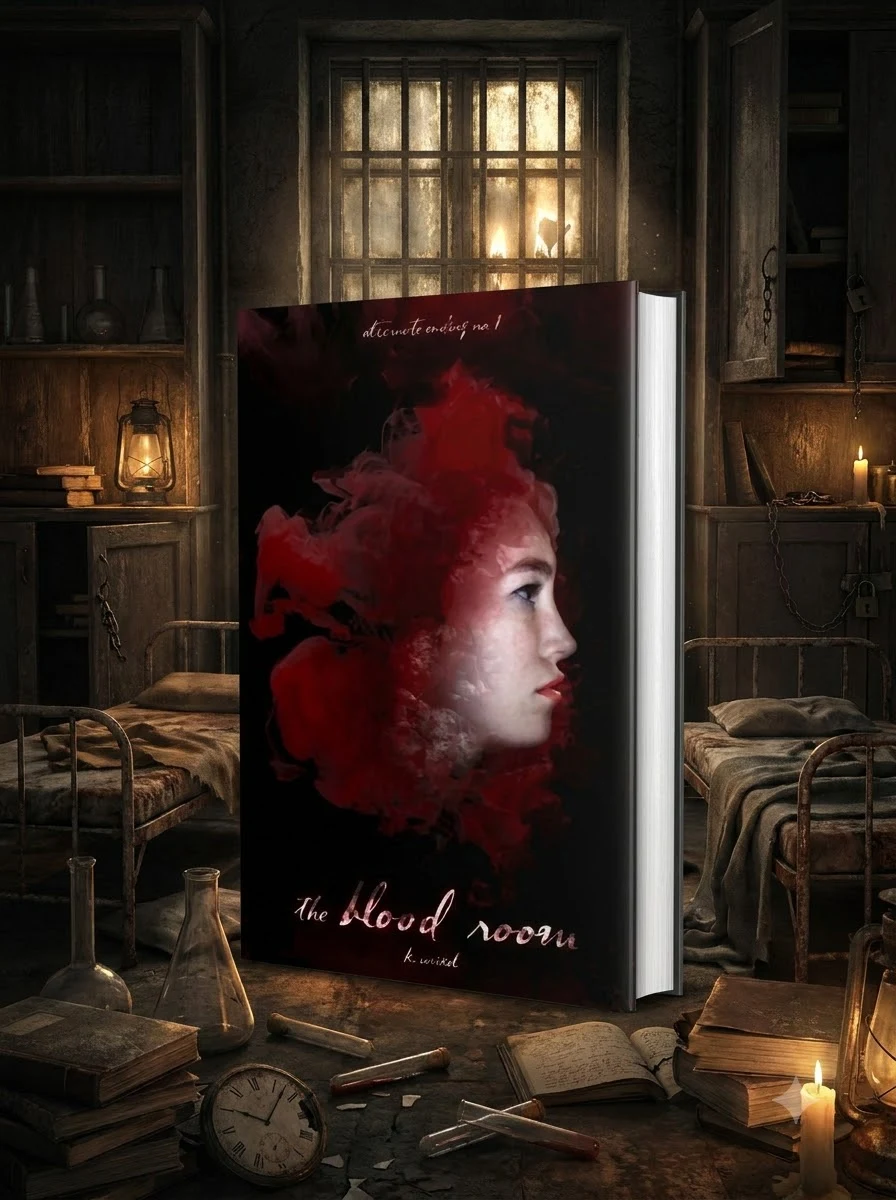
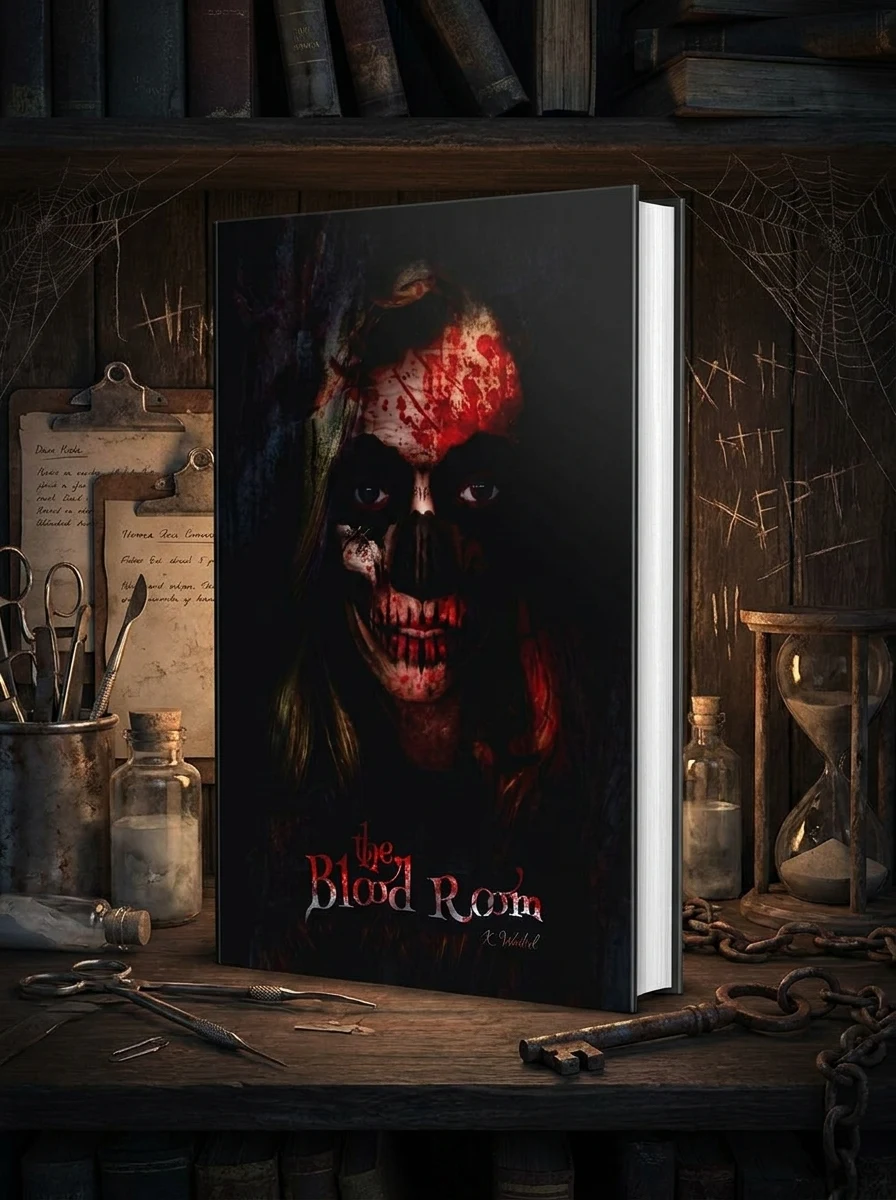
The Blood Room: Alternate Ending no. 1
A trapped narrator faces a deadly mass experiment in this 2016 horror novel.
The narrative follows individuals used as guinea pigs for a mass murder experiment. They are locked in a room where time behaves strangely, feeling like weeks or years depending on the victim. The story highlights the loss of three specific states: comfort, privilege, and happiness. These qualities exist only when the horrors are absent, acting as temporary gifts before the terror returns. The text questions the strength of faith when subjected to such deprivation. Weikel uses this setting to explore psychological breakdown. The work does not provide resolution but rather immerses the reader in the ongoing suffering of the captives.
This 2016 publication by Createspace Independent Publishing Platform fits within the contemporary independent horror genre. It draws on gothic traditions of confinement and psychological terror. The work reflects modern anxieties about bodily autonomy and systematic cruelty, presented through a first-person perspective that emphasizes immediate sensory overload.


📝 Description: The Blood Room: Alternate Ending no. 1
💎 Our verdict on The Blood Room: Alternate Ending no. 1
📖 Why choose it
Why this book is worth reading
Readers who appreciate visceral accounts of supernatural and gothic fiction will find this title compelling due to its immersive exploration of psychological breakdown. The narrative offers a harrowing look at how time distorts perception, dragging bodies into dirt while minds fracture under the weight of sleep deprivation and torture. It is ideal for those interested in the loss of privilege and comfort, as well as the questioning of faith under extreme conditions. However, it is not suitable for readers seeking lighthearted plots or resolved endings, as the relentless atmosphere provides no escape from its grim premise.
⭐ Reader reviews
Reader rating
Weikel structures this narrative around the psychological erosion of identity, creating a harrowing experience that immerses the reader in ongoing suffering. The text effectively contrasts past states of comfort with current chaos, forcing characters to confront their faith under extreme duress. While it aligns with gothic traditions, the lack of resolution may unsettle those preferring clear endings. It serves best for audiences seeking visceral horror and an examination of happiness’s fragility against systematic terror.
📖 Read on the blog
📖 From the series “The Blood Room”
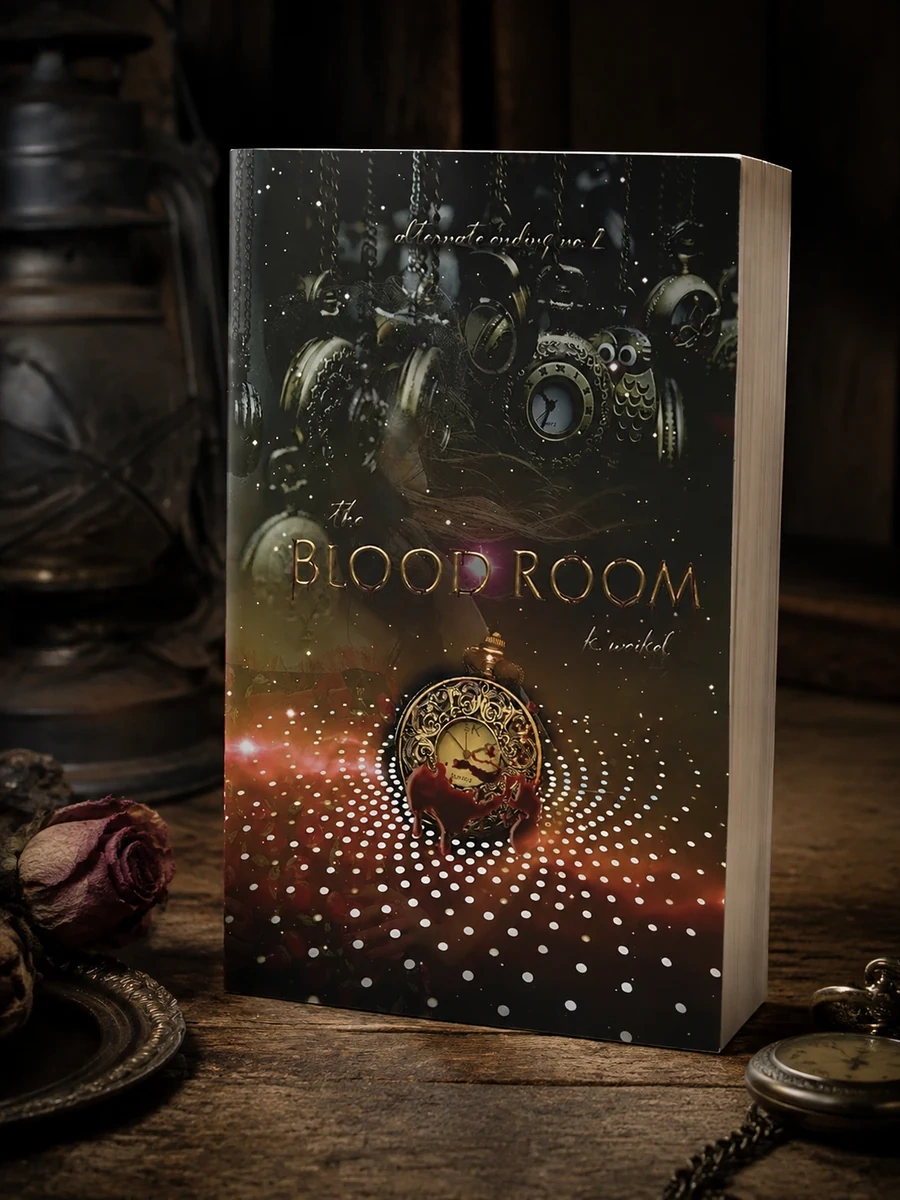


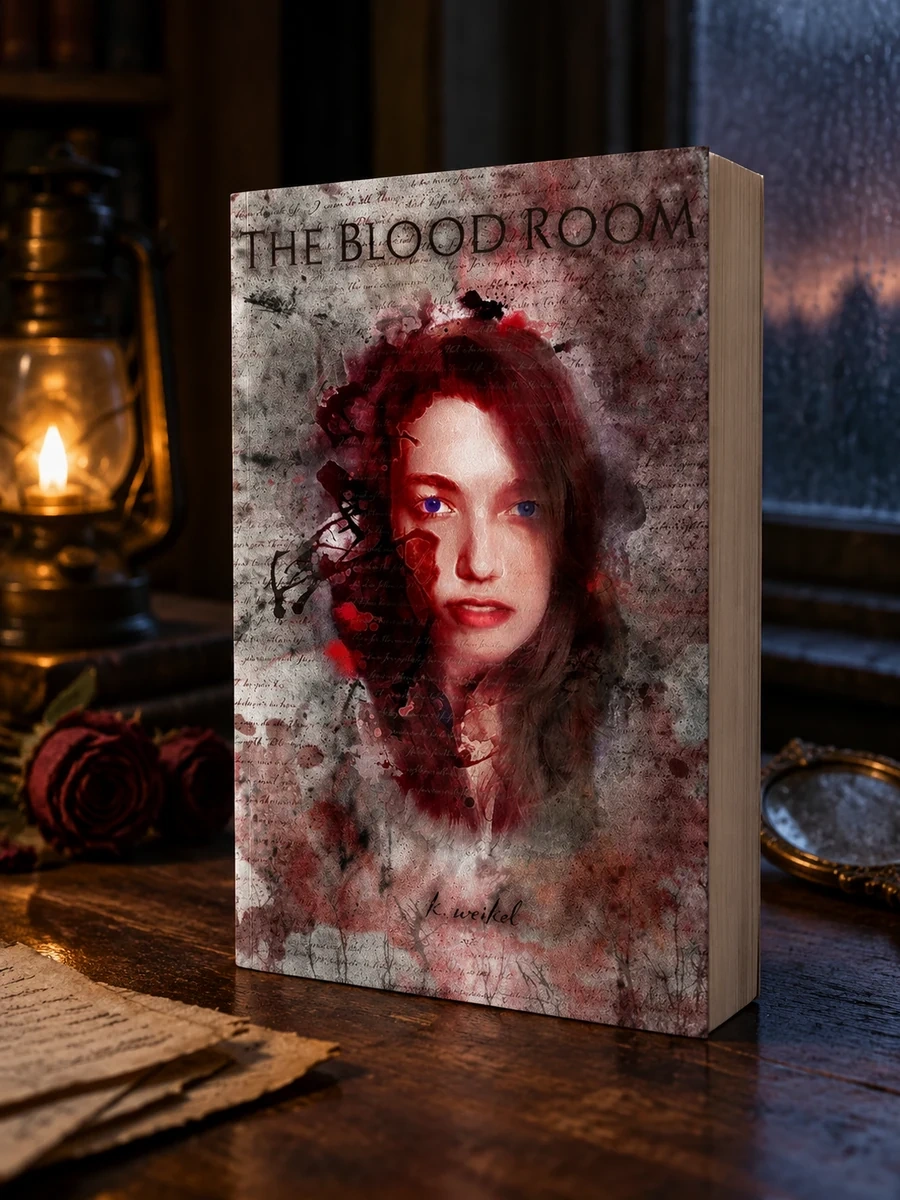
✍️ More books by this author K Weikel
🏛 Books from this publisher Createspace Independent Publishing Platform

You might also like
See more →

Have a question about this item?
Ask about the edition, condition, delivery or anything else — we reply by email or phone, usually within a day.
