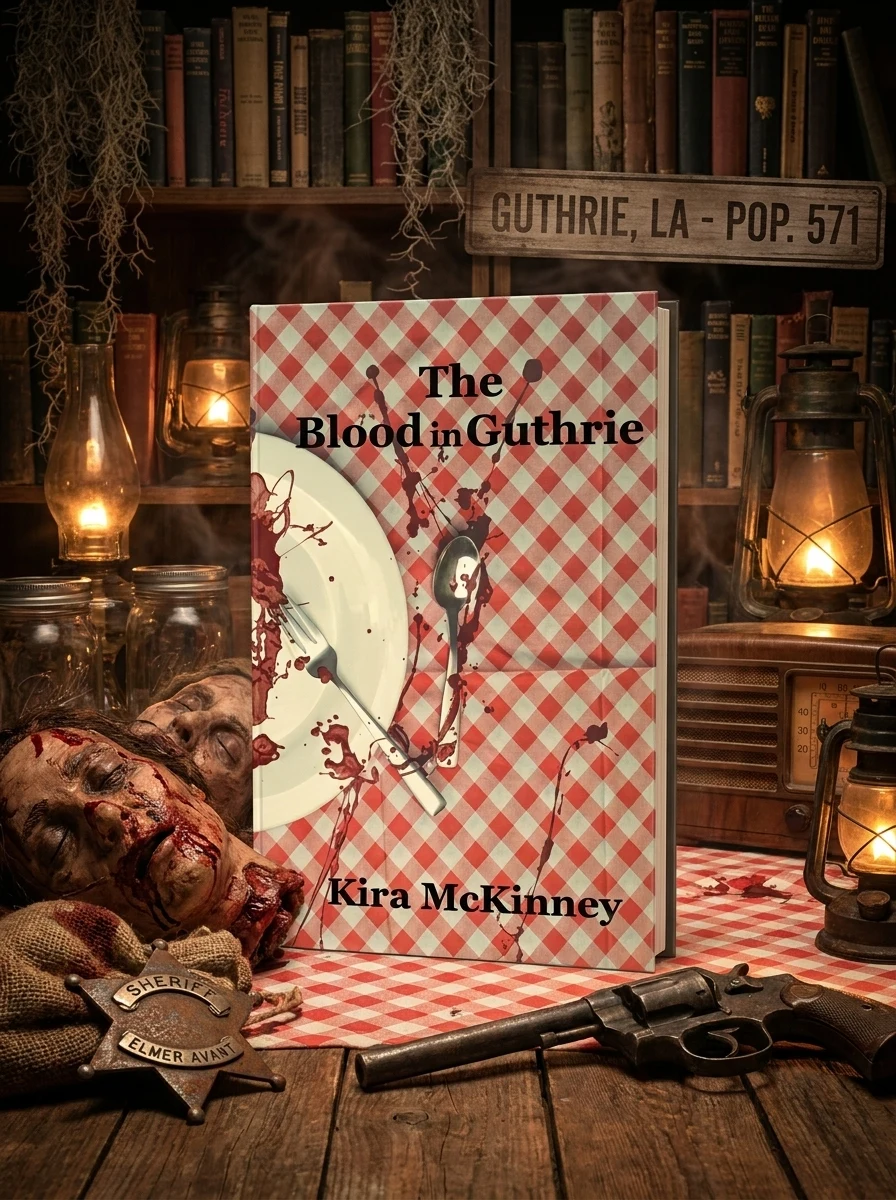
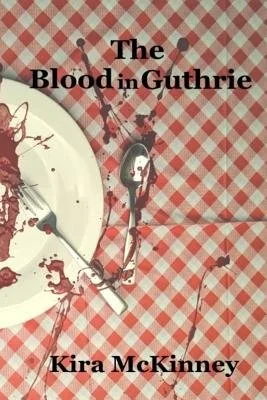
The Blood in Guthrie
A 1934 Louisiana mystery involving severed heads and a skeptical outsider deputy.
This novel examines the intersection of small-town secrecy and personal trauma. Jack McMann arrives in Guthrie hoping to escape his past, only to confront a series of brutal beheadings that expose the town's rot. The narrative does not offer easy answers. Instead, it builds tension through the isolation of the protagonist and the collective silence of the townspeople. The story draws heavily on the cultural backdrop of early Blues music to color its atmosphere. It functions as a character study of a man trying to impose order on chaos. The structure follows Jack's investigation rather than providing a traditional whodunit format. It focuses on the psychological weight of the crimes and the social dynamics that allow them to persist.
Set in 1934 Guthrie, Louisiana, this story utilizes the cultural framework of early Blues music. It references literary works by Jim Thompson and Shirley Jackson to establish its tone. The setting is a specific historical moment defined by isolation and local folklore.


📝 Description: The Blood in Guthrie
💎 Our verdict on The Blood in Guthrie
📖 Why choose it
Why this book is worth reading
Readers who appreciate noir atmospheres, gothic mystery, and psychological horror will find this work compelling. The narrative functions as a character study of a man trying to impose order on chaos rather than providing a traditional whodunit format. It draws heavily on the cultural backdrop of early Blues music to color its oppressive setting. Those seeking lighthearted entertainment or clear-cut resolutions may feel frustrated by the ambiguous nature of the clues and the collective silence of the townspeople. The story examines personal trauma and small-town secrecy without offering easy answers, building tension through the protagonist's isolation.
⭐ Reader reviews
Reader rating
McKinney’s debut effectively grounds a brutal mystery in the sweltering heat of 1934 Louisiana, using severed heads to expose a town’s rot. The narrative avoids traditional whodunit tropes, focusing instead on the psychological weight of crimes and social dynamics. It echoes the tension of Jim Thompson and the communal dread of Shirley Jackson. While the ambiguous clues may frustrate some, the work is a compelling character study for those who enjoy oppressive settings and noir atmospheres. It succeeds as a gothic mystery that prioritizes mood and isolation over clear resolution.
📖 Read on the blog
✍️ More books by this author Kira McKinney


🏛 Books from this publisher Independently Published






You might also like
See more →


Have a question about this item?
Ask about the edition, condition, delivery or anything else — we reply by email or phone, usually within a day.
