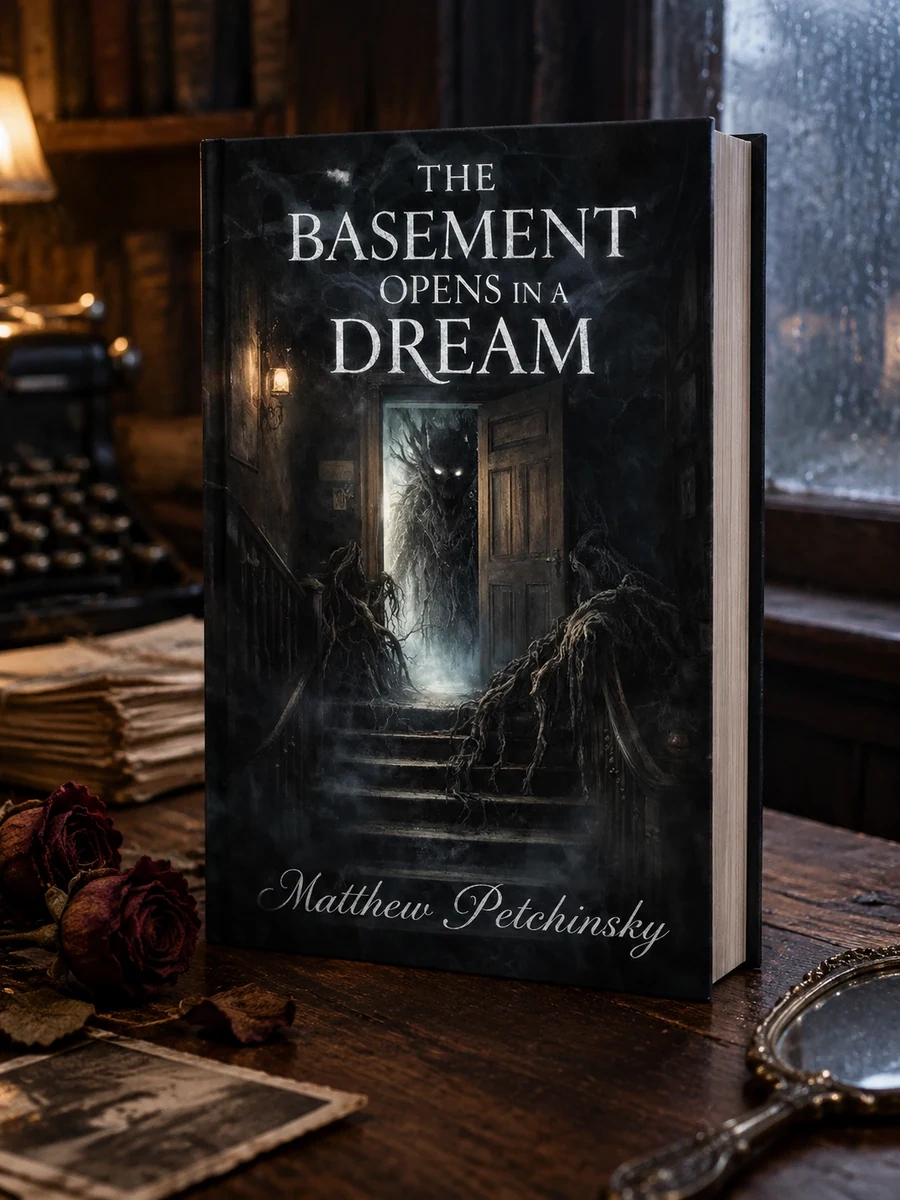
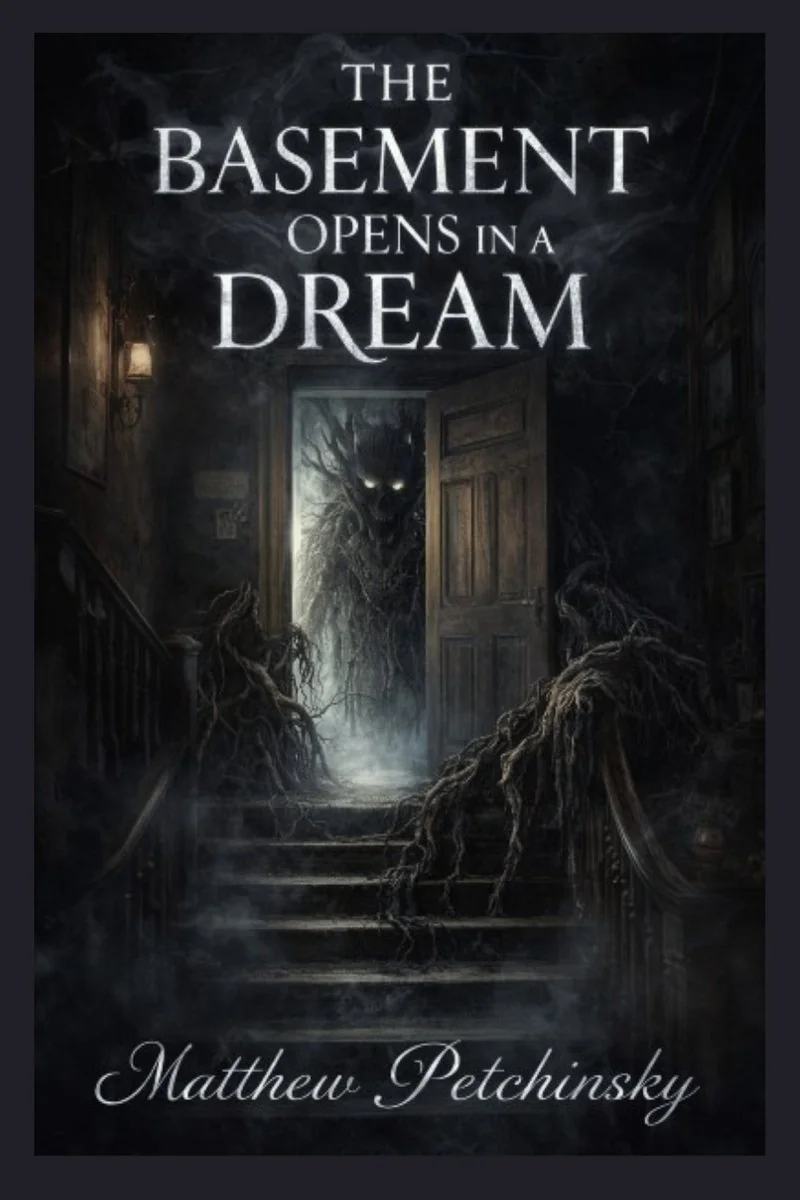
The Basement Opens in a Dream
A Texas town's basement opens inward, harvesting consent from dreams.
The narrative examines how an ancient entity in Briar Hollow exploits grief and sleep. Rowan’s dreams reveal a door that does not open downward but inward. Maeve’s protective measures fail because the house learns their methods. The carving on the door indicates a violation of bodily autonomy through proxy. Water shows actions before they happen, creating a sense of inevitable doom. The story highlights the fragility of memory when faced with an entity that presses at the hinge between sorrow and choice. It is a study of how silence can be weaponized against those who try to maintain boundaries.
The story is set in Briar Hollow, Texas, grounding the supernatural elements in a specific American locale. The narrative draws on gothic traditions of haunted houses and psychological horror tropes involving dreams and reality. It explores themes of consent and bodily autonomy within a domestic setting, reflecting contemporary anxieties about privacy and control.


📝 Description: The Basement Opens in a Dream
💎 Our verdict on The Basement Opens in a Dream
📖 Why choose it
Why this book is worth reading
Readers seeking a slow-burn atmospheric experience will find value in this exploration of domestic dread and psychological erosion. The narrative appeals to those who enjoy dream logic and the fragility of memory rather than traditional jump scares. It offers a study on how silence and grief can be exploited by ancient entities, providing a chilling look at bodily autonomy through proxy. Fans of cosmic horror and gothic fiction will appreciate the focus on inevitable doom and the weaponization of sorrow. The book is ideal for those who prefer intellectual engagement with horror themes over fast-paced action.
⭐ Reader reviews
Reader rating
This work excels in constructing a sense of inevitable doom through subtle violations of reality rather than overt violence. Petchinsky effectively utilizes dream logic and domestic settings to create psychological tension, making the home itself an antagonist that learns from its victims. The focus on the erosion of memory and the harvesting of consent during sleep provides a unique angle on cosmic horror. It suits readers who appreciate slow-burn narratives where silence is more dangerous than sound. However, those expecting traditional action or clear resolutions may find the experience frustrating. The strength lies in its atmospheric dread and thematic depth regarding grief.
📖 Read on the blog
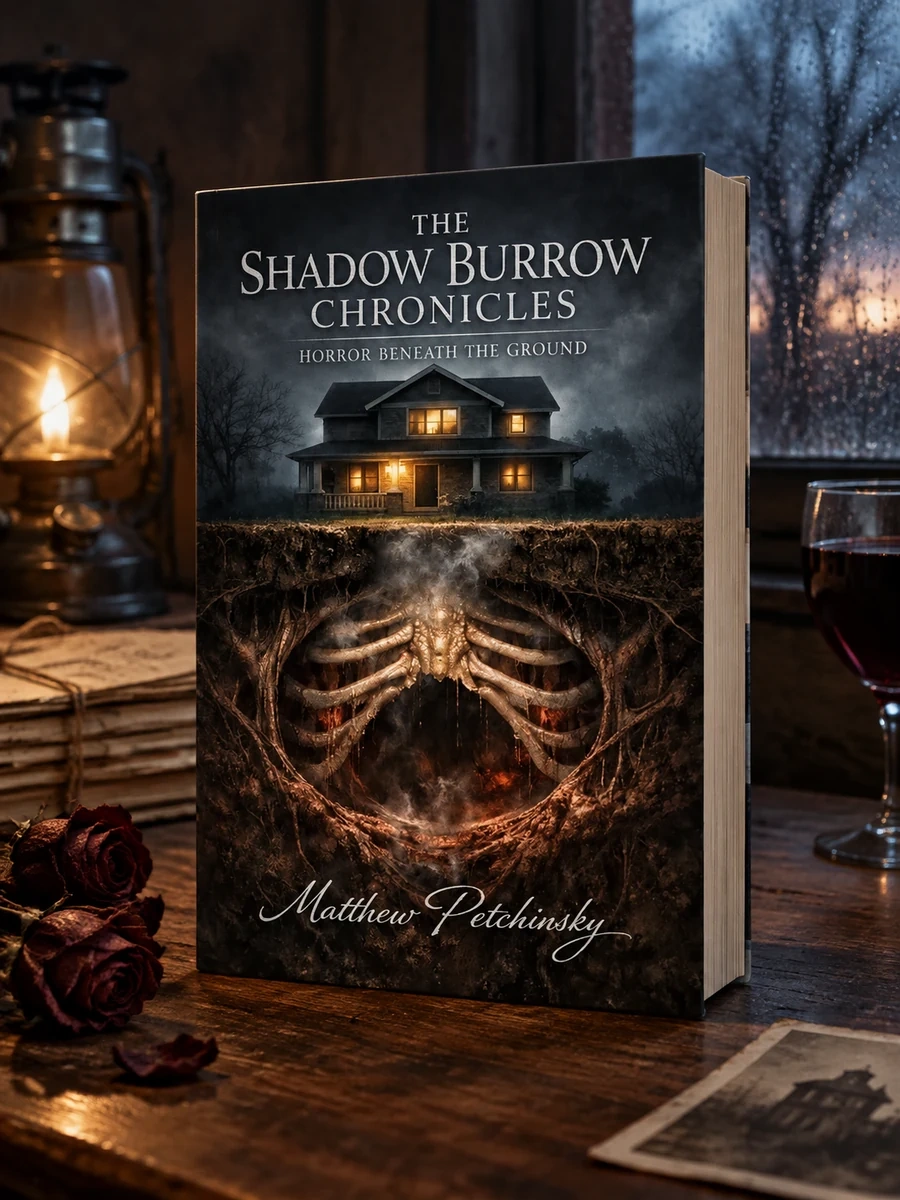
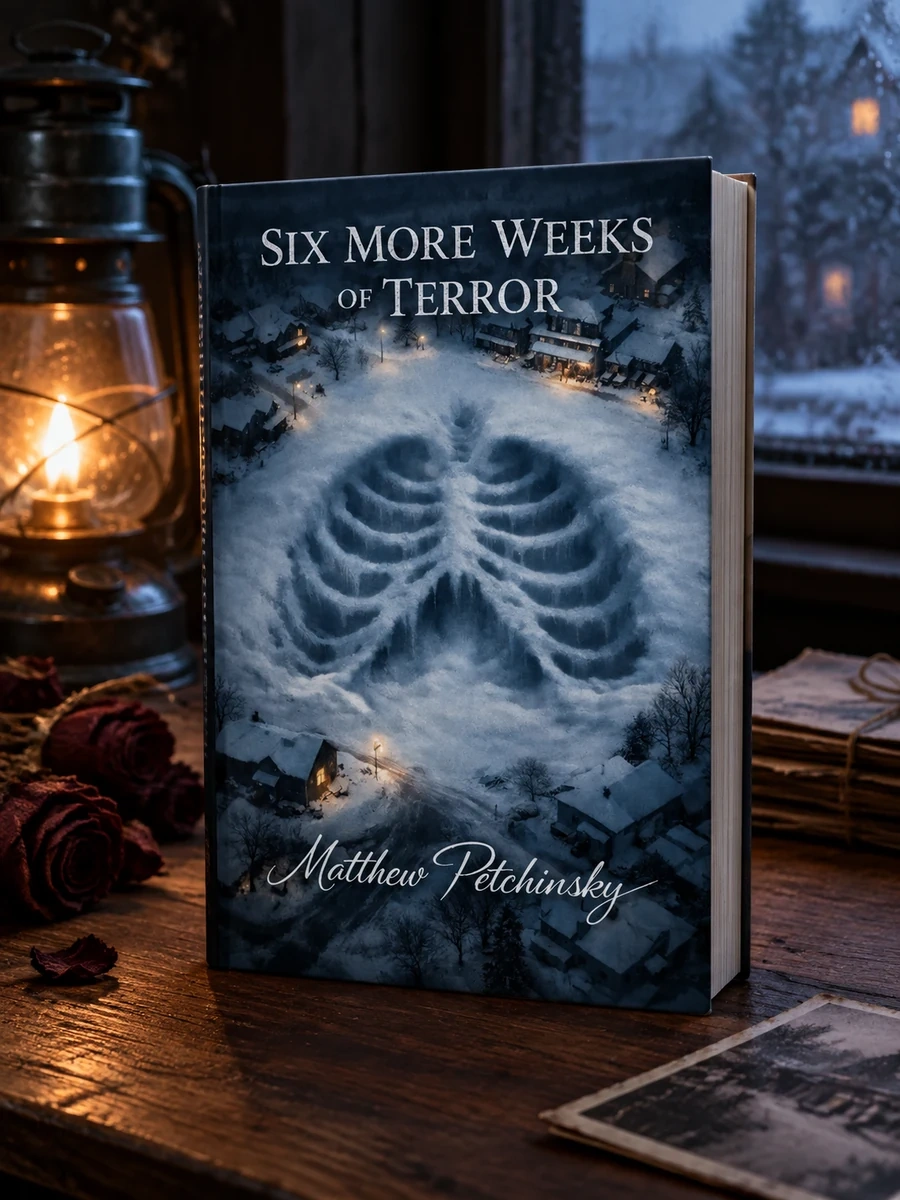
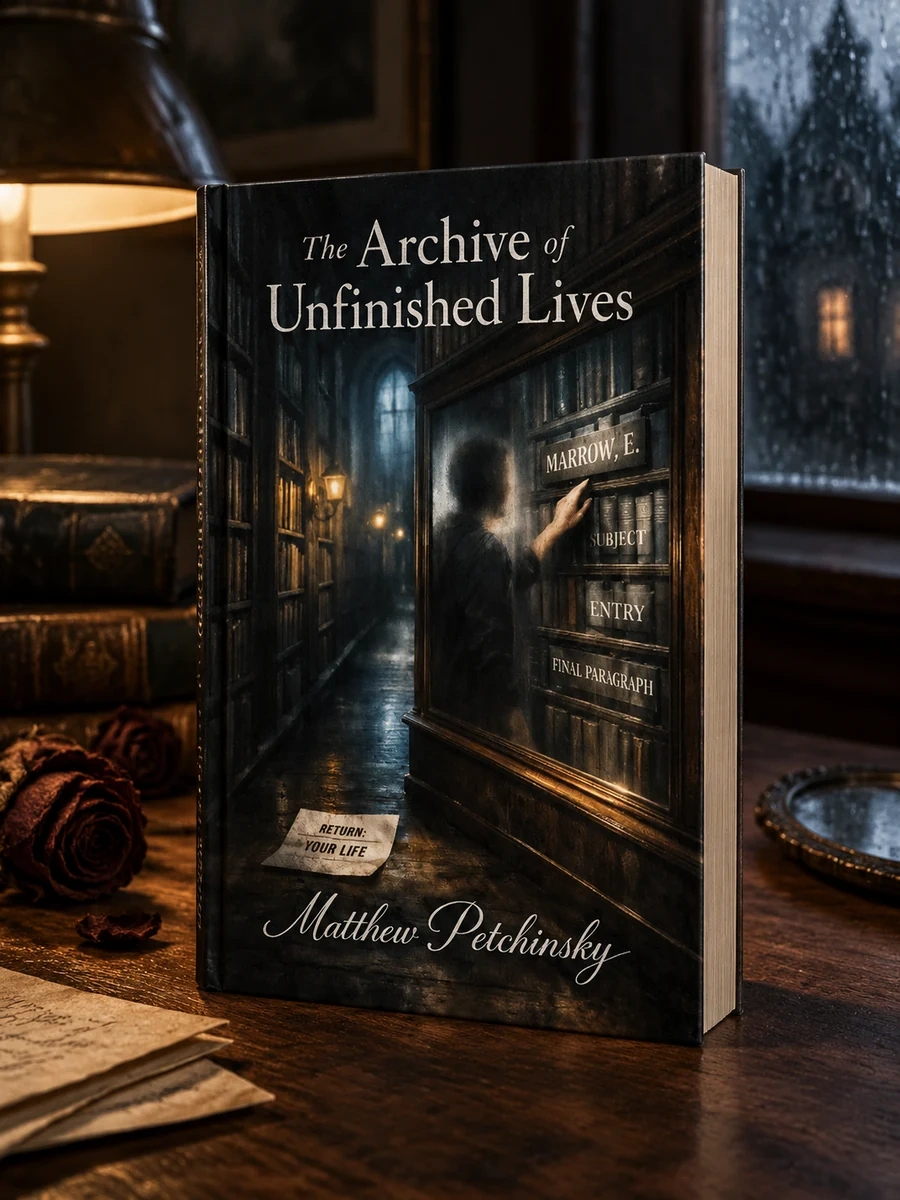
✍️ More books by this author Matthew Petchinsky


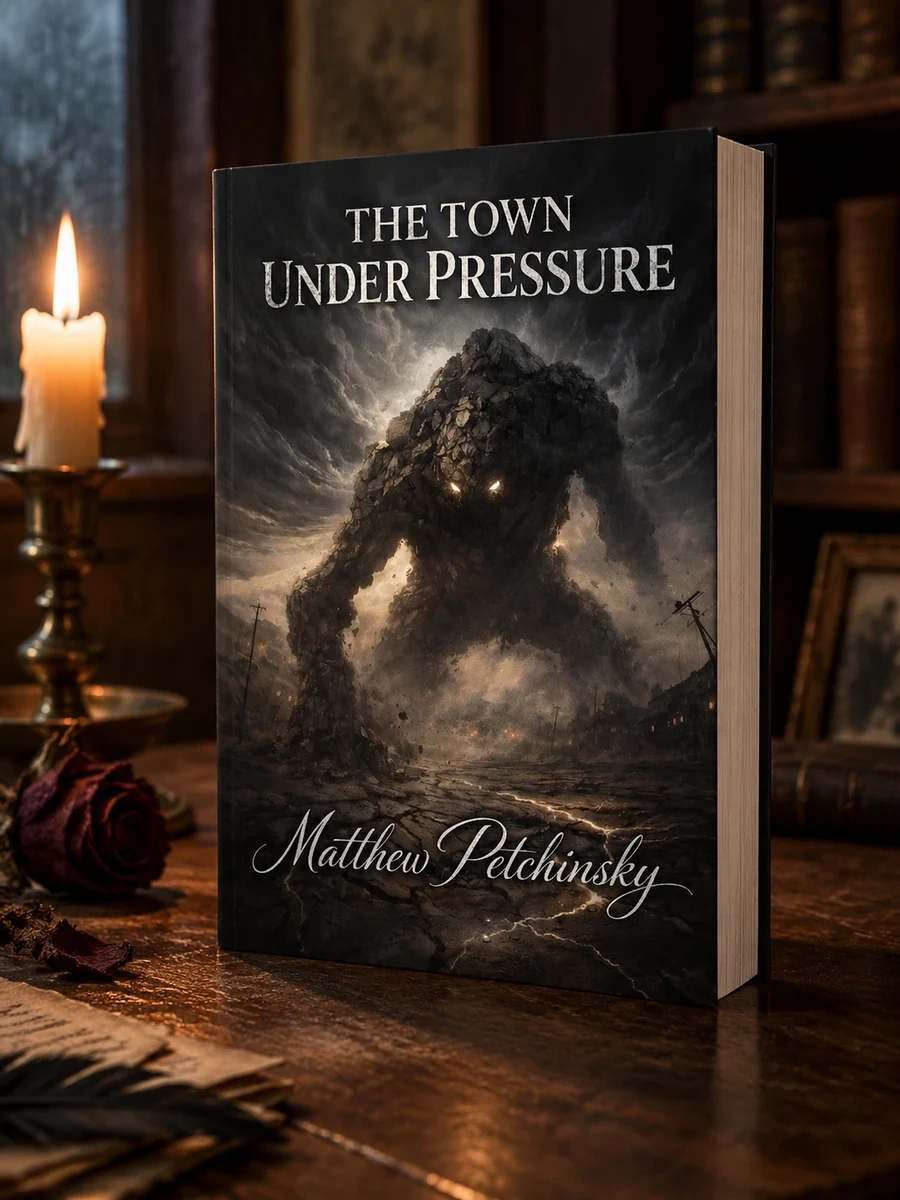

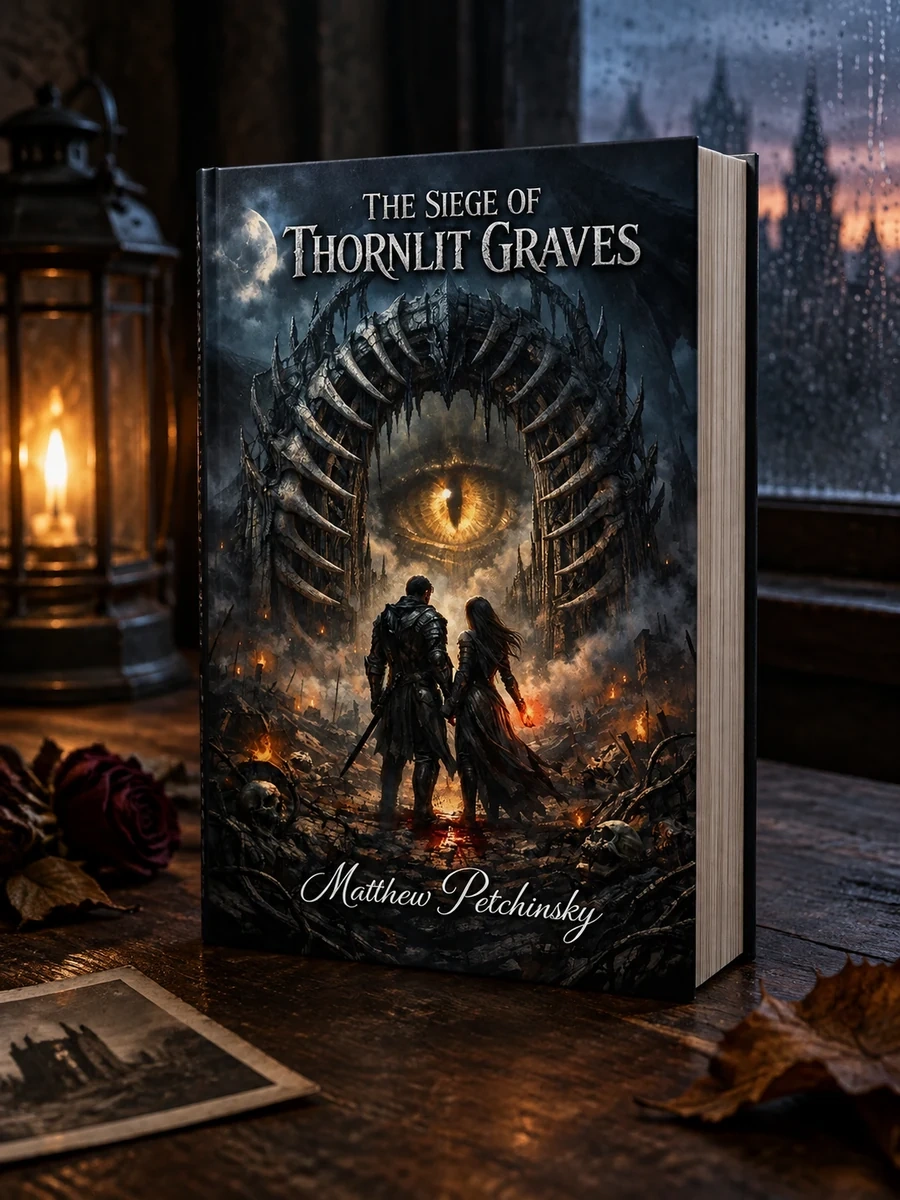
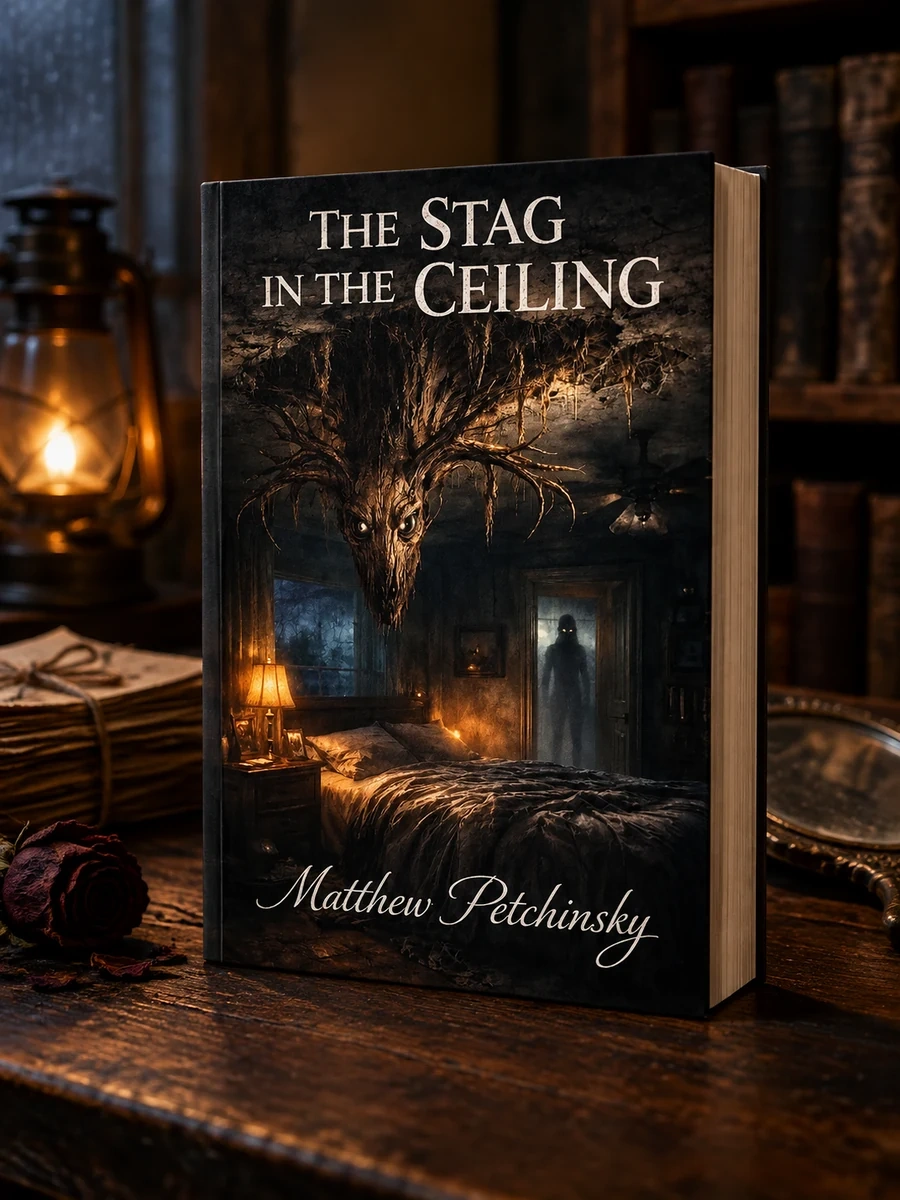
🏛 Books from this publisher Apophis Enterprises LLC
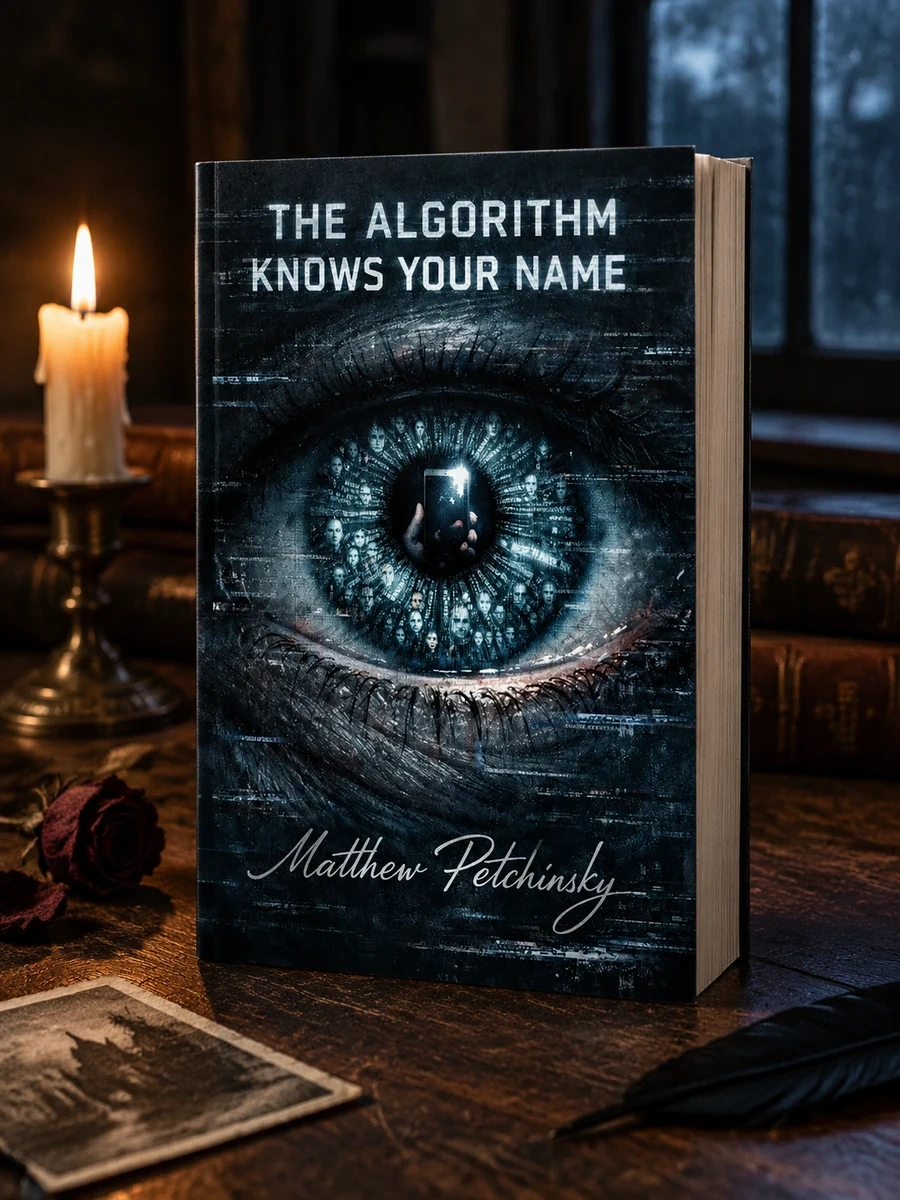



You might also like
See more →
Have a question about this item?
Ask about the edition, condition, delivery or anything else — we reply by email or phone, usually within a day.
