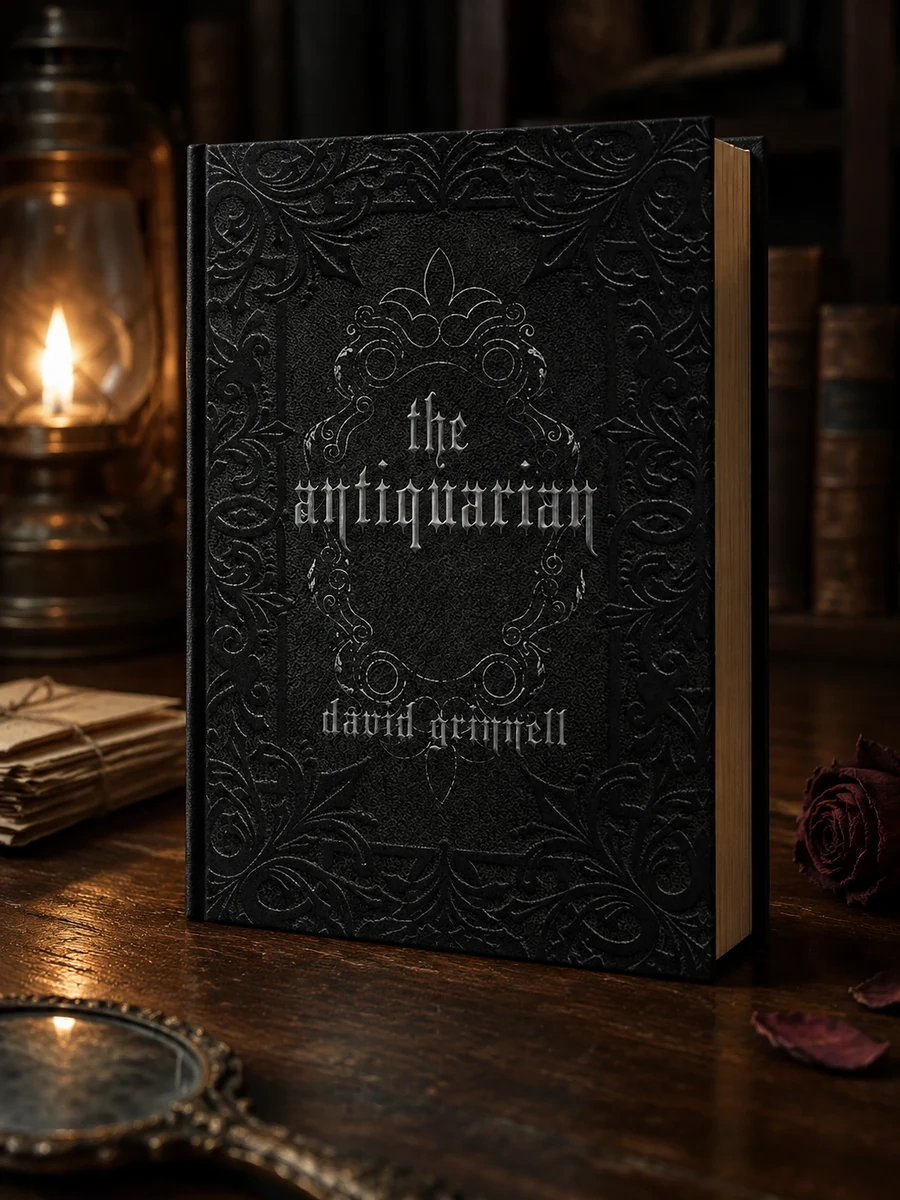
The Antiquarian
A diary of an archaeologist fleeing Nazi occupation into a haunted Transylvanian castle.
Grinnell constructs a narrative centered on isolation and paranoia. The protagonist’s professional interest in morbid subjects contrasts with his vulnerability in a hostile political climate. The setting shifts from the open Alps to the confined, decaying interior of a castle. This transition mirrors Ainsworth’s internal descent into uncertainty. The book utilizes the diary structure to create intimacy with the narrator’s deteriorating mental state. It does not offer supernatural explanations but focuses on the ambiguity of perception. The historical backdrop of Nazi expansion adds urgency to the character’s plight. This approach suits those who prefer psychological horror over jump scares.
The story is set in the Transylvanian Alps during the period of approaching Nazi occupation. It engages with mid-twentieth century European history and gothic literary traditions concerning abandoned castles and archaeological exploration.


📝 Description: The Antiquarian
💎 Our verdict on The Antiquarian
📖 Why choose it
Why this book is worth reading
Readers who prioritize atmospheric dread over visceral jump scares will find this novel deeply rewarding. It appeals to those interested in the intersection of historical tension and psychological uncertainty, offering an intimate look at a scholar’s deteriorating sanity. The diary format provides a unique access to the protagonist's paranoia, making it ideal for fans of slow-burn horror. If you enjoy gothic traditions where the setting itself becomes a character that induces fear, this book offers a compelling study of isolation. It is particularly suitable for audiences who appreciate ambiguity and do not require clear resolutions or fast-paced action to remain engaged with the text.
⭐ Reader reviews
Reader rating
Grinnell masterfully constructs a narrative of isolation, using the diary structure to intimately document the protagonist's mental decline. The transition from the open Alps to the confined castle effectively mirrors the internal descent into uncertainty. By focusing on the ambiguity of perception rather than supernatural explanations, the book achieves a profound sense of unease. It succeeds in blending historical urgency with gothic dread, creating a tense atmosphere that lingers. This approach suits readers who prefer psychological horror and atmospheric storytelling. However, those seeking clear answers or rapid plot progression may find the slow-burn pacing less satisfying. The work stands as a strong example of character-driven terror.
📖 Read on the blog
✍️ More books by this author David E Grinnell
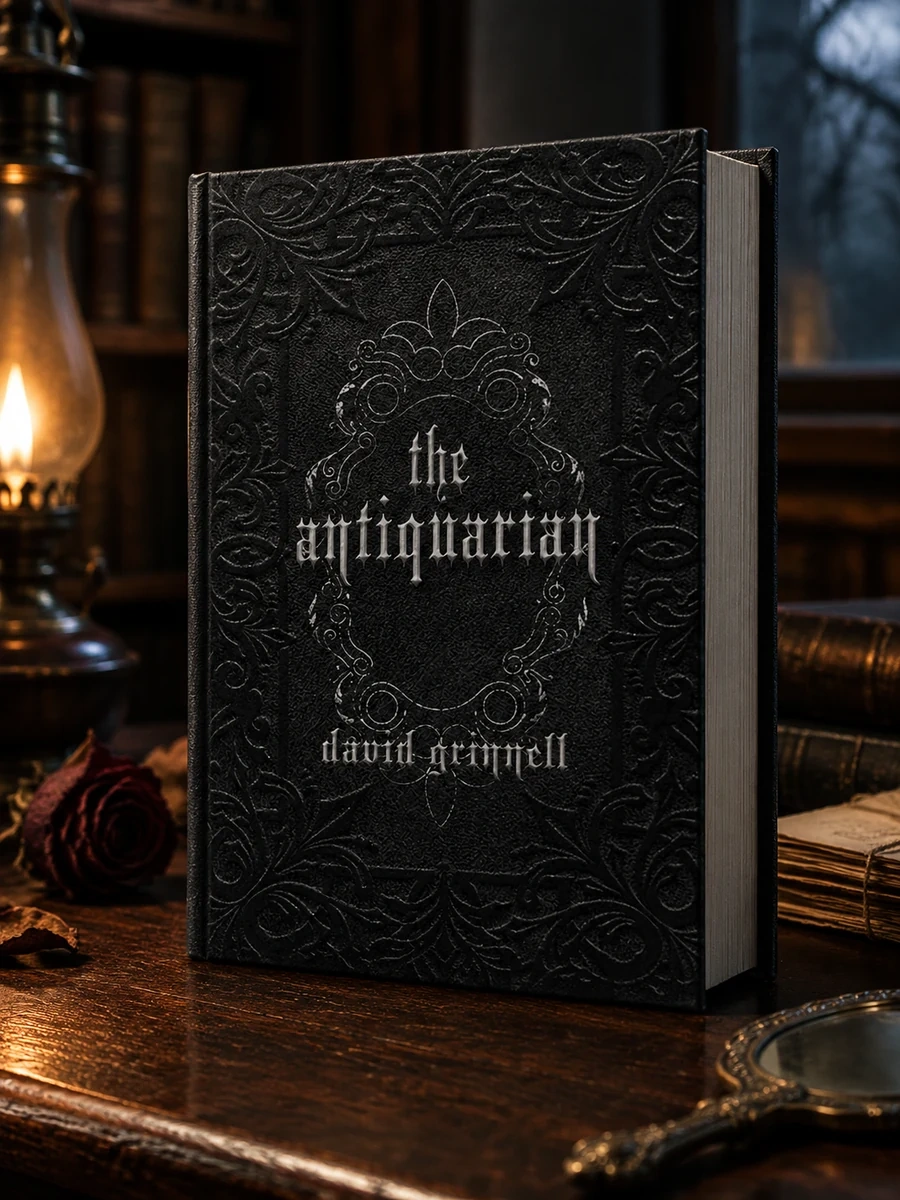


🏛 Books from this publisher Curious Corvid Publishing
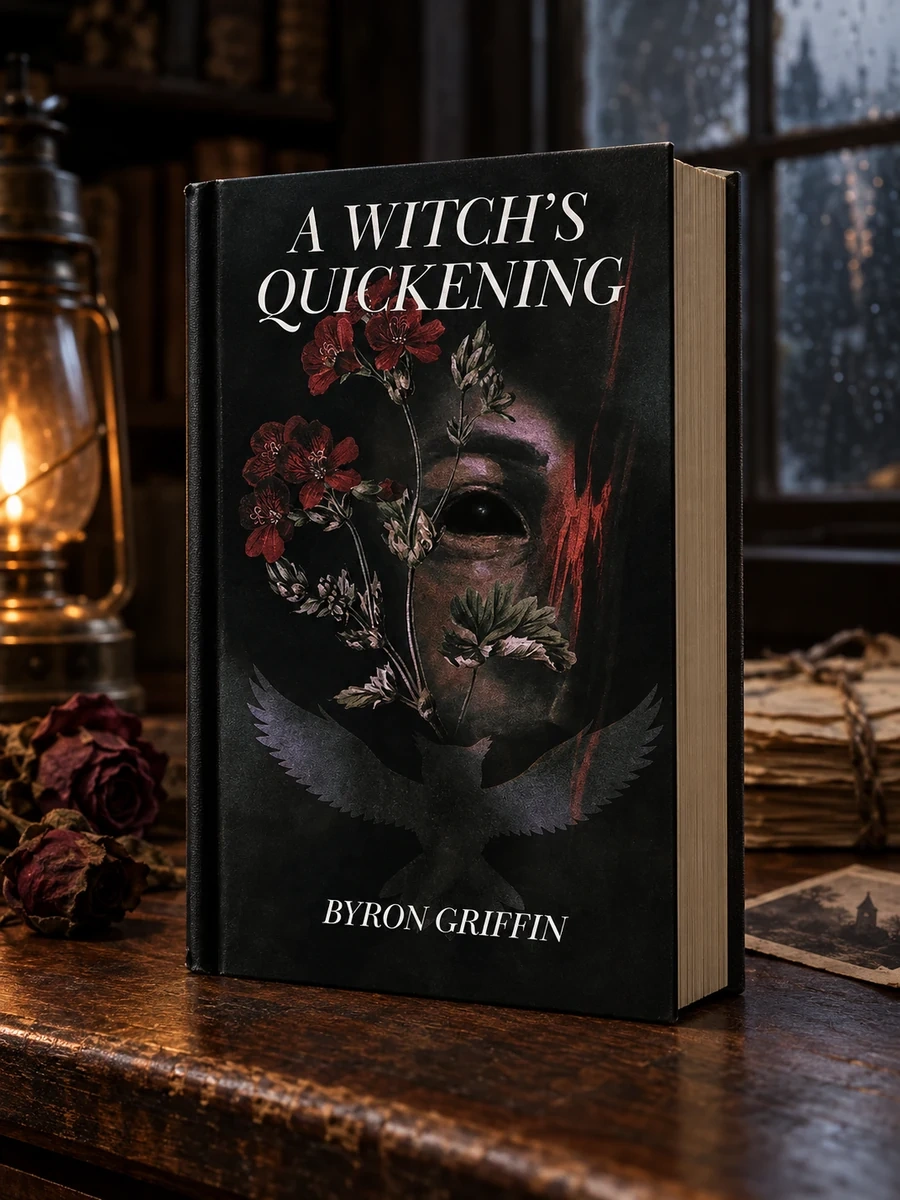
You might also like
See more →

Have a question about this item?
Ask about the edition, condition, delivery or anything else — we reply by email or phone, usually within a day.
