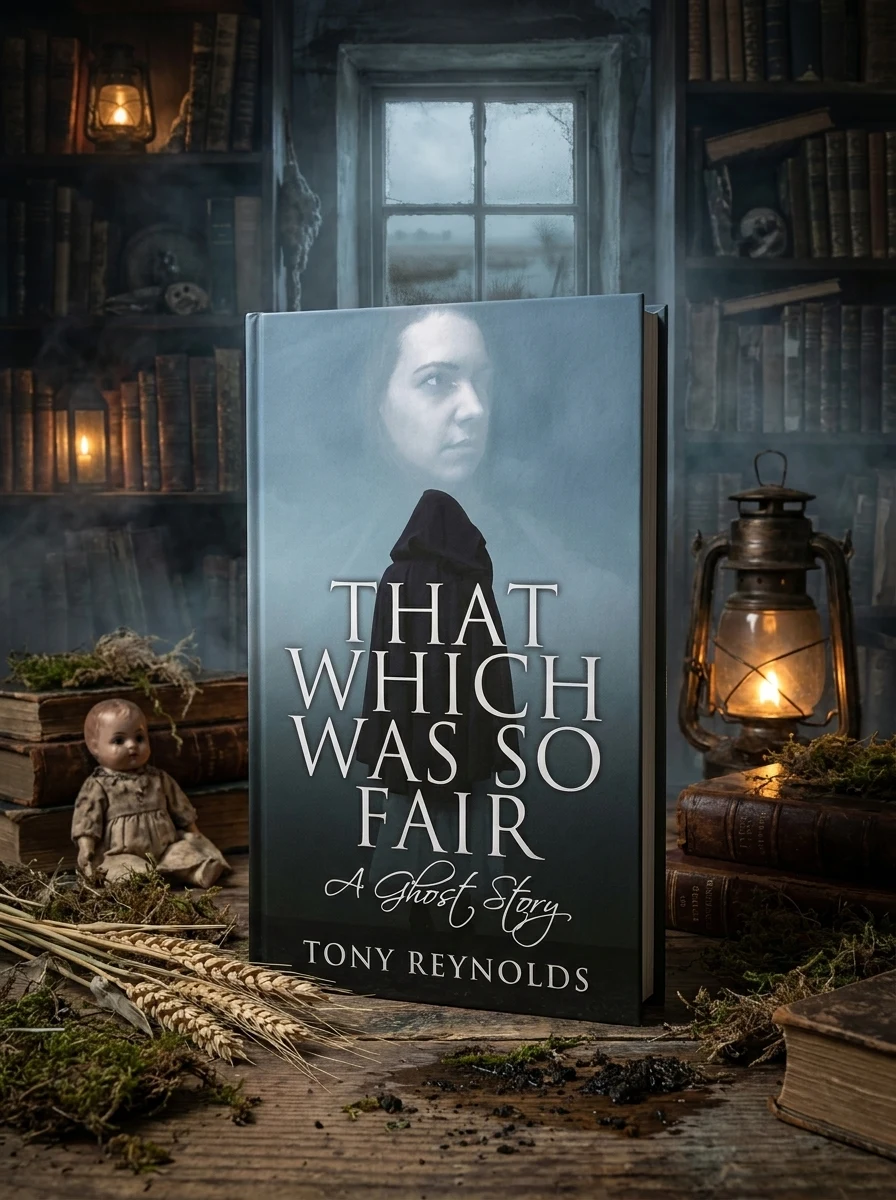
That Which Was So Fair - A Ghost Story
A woman uncovers a dark secret while caring for an abandoned child in 1850s England.
Catherine Greencliffe arrives at Southwell Hall in the Fen country to care for a neglected infant. The damp autumn setting establishes a gloomy tone from the start. As she settles into her duties, strange visions and compulsions begin to affect her judgment. She realizes the estate holds a concealed truth that remains hidden from outsiders. Her investigation leads to a shocking revelation about the past of Southwell Hall. Reynolds uses this premise to examine how isolation can amplify fear and paranoia. The story focuses on the gradual erosion of Catherine’s sanity as she confronts forces she cannot explain. This narrative structure allows for a deep exploration of gothic horror elements without relying on external action.
The story is set in the Fen country during the autumn of 1850. It reflects the gothic literary tradition through its focus on isolated estates and psychological dread. The narrative draws on supernatural fiction conventions to explore the unknown aspects of human experience.


📝 Description: That Which Was So Fair - A Ghost Story
💎 Our verdict on That Which Was So Fair - A Ghost Story
📖 Why choose it
Why this book is worth reading
Readers who appreciate slow-burning, atmospheric horror rooted in historical settings will find this book compelling. It offers a deep exploration of isolation and paranoia without relying on external action or modern paranormal tropes. Those interested in the psychological erosion of a protagonist facing unseen forces will gain from its tight focus on internal experience. The narrative provides a claustrophobic sense of dread through its setting, appealing to fans who prefer lingering unease over fast-paced plots or easy resolutions.
⭐ Reader reviews
Reader rating
Tony Reynolds crafts a chilling tale that excels in building tension through isolation and the gradual erosion of sanity. The story successfully merges gothic traditions with psychological horror, using the damp autumn setting to amplify dread. It suits readers who enjoy atmospheric depth and historical context over action. While it may not appeal to those seeking quick thrills, its focus on the protagonist's internal unraveling provides a rich, immersive experience. The lack of easy answers leaves a lasting impression, making it a strong choice for connoisseurs of traditional ghost stories.