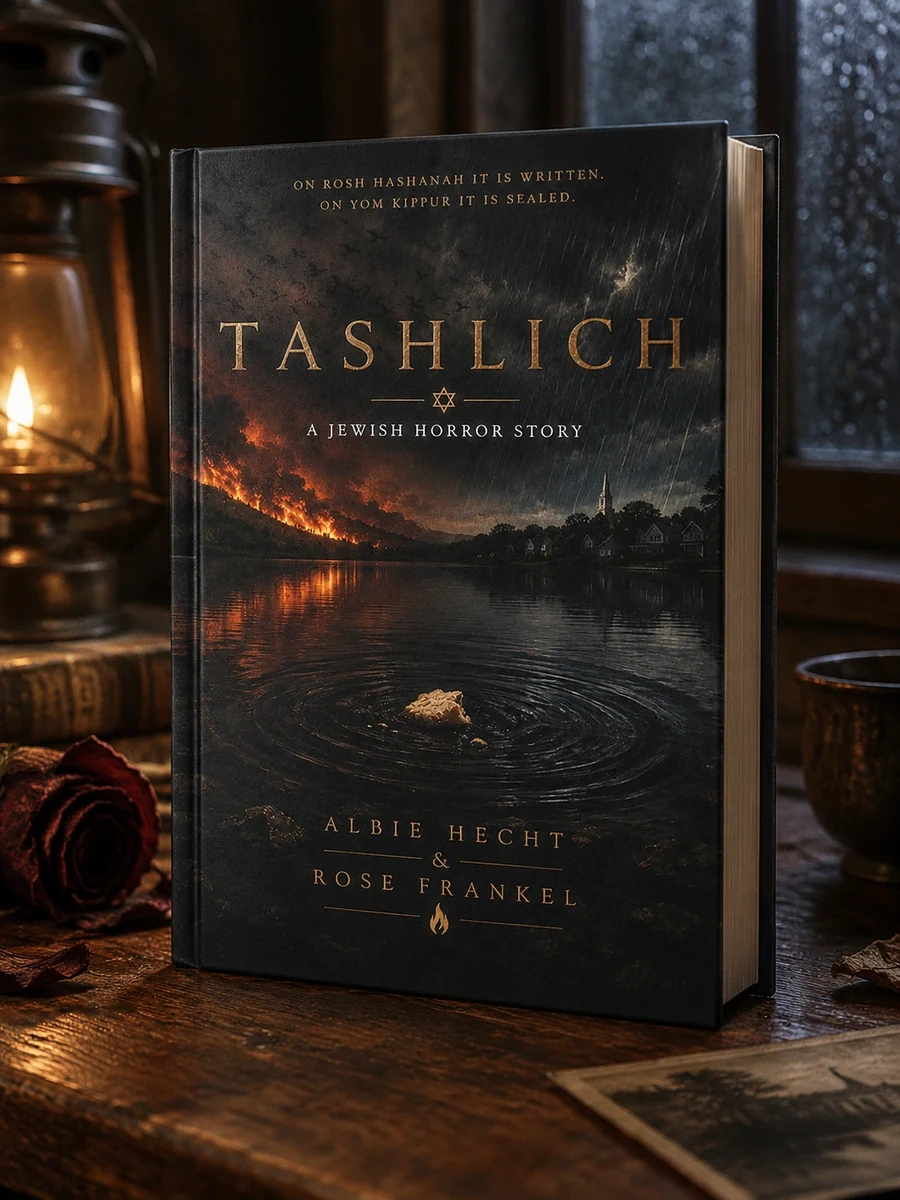
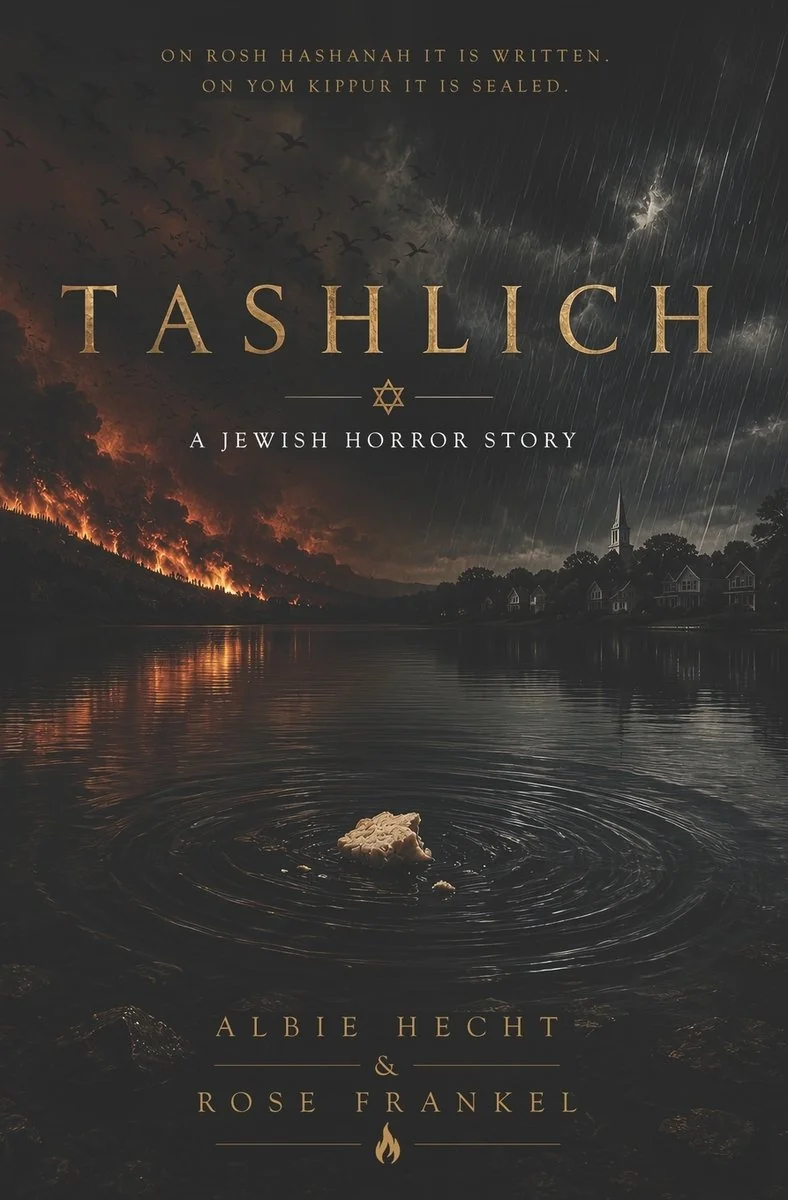
Tashlich: A Jewish Horror Story
A novella about judgment, bread, and water during Jewish holidays
Frankel uses the ritual of casting sins into water to drive her plot. The protagonist faces consequences for his hidden flaws in a town where image matters most. The story integrates legends of Lilith and dybbuks to explain supernatural events. It examines how ancient texts influence modern fears. The novella format keeps the tension tight around one specific night. Readers get a glimpse into how liturgy shapes horror narratives. The baker and the loaf serve as initial catalysts for the unfolding dread. This is not a broad historical survey but a focused character study.
The book draws on Jewish origins including myths, legends, fables, sacred texts, liturgy, the Talmud, and the Bible. It focuses on holidays where good and evil collide, specifically Rosh Hashanah and Yom Kippur, exploring rituals passed down through generations by elders.


📝 Description: Tashlich: A Jewish Horror Story
💎 Our verdict on Tashlich: A Jewish Horror Story
📖 Why choose it
Why this book is worth reading
Readers who appreciate gothic horror blended with religious tradition will find this story compelling, particularly those interested in supernatural fiction rooted in sacred texts and liturgy. The novella format allows for a focused exploration of a single night of reckoning, keeping the tension tight around the protagonist's confrontation with his hidden flaws. It offers a glimpse into how ancient texts influence modern fears, examining the collision of good and evil during specific holidays. This work suits those seeking a character study rather than a broad historical survey, providing a haunting examination of judgment where public appearance conflicts with private sin.
⭐ Reader reviews
Reader rating
Frankel’s novella presents an atmospheric tale centered on a young man in a small town obsessed with appearances as he faces literal judgment. By weaving myths of golems, dybbuks, Lilith, and the Angel of Death into the narrative, the story reveals unknown forces that write and seal human destinies. The plot relies on the tension between public facade and private sin, using the ritual of Tashlich as its central mechanism. While it may not appeal to those seeking traditional haunted house narratives without cultural depth, readers who appreciate gothic elements blended with religious tradition will find this story compelling. The narrative does not offer easy resolutions but instead presents a haunting examination of judgment.
📖 Read on the blog
🏛 Books from this publisher Independently Published








You might also like
See more →
Have a question about this item?
Ask about the edition, condition, delivery or anything else — we reply by email or phone, usually within a day.
