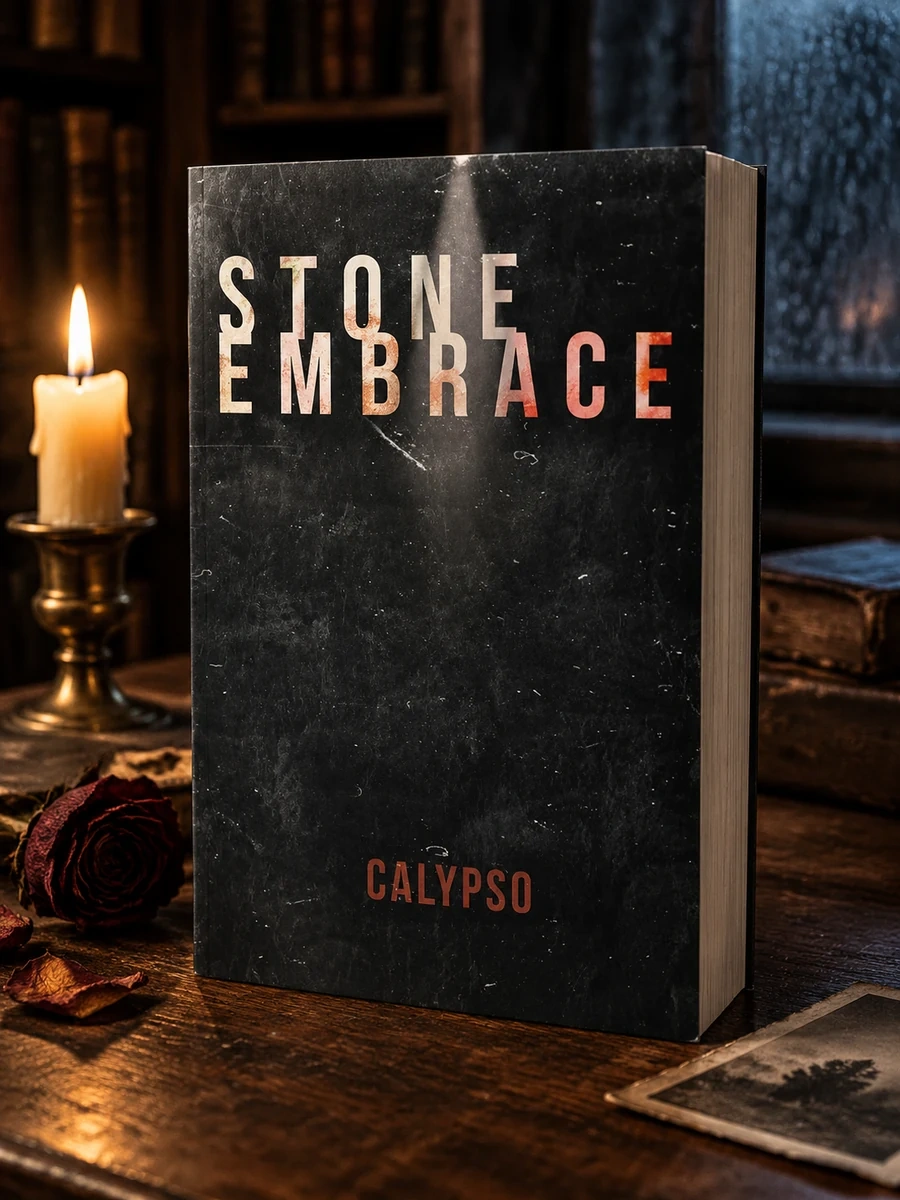
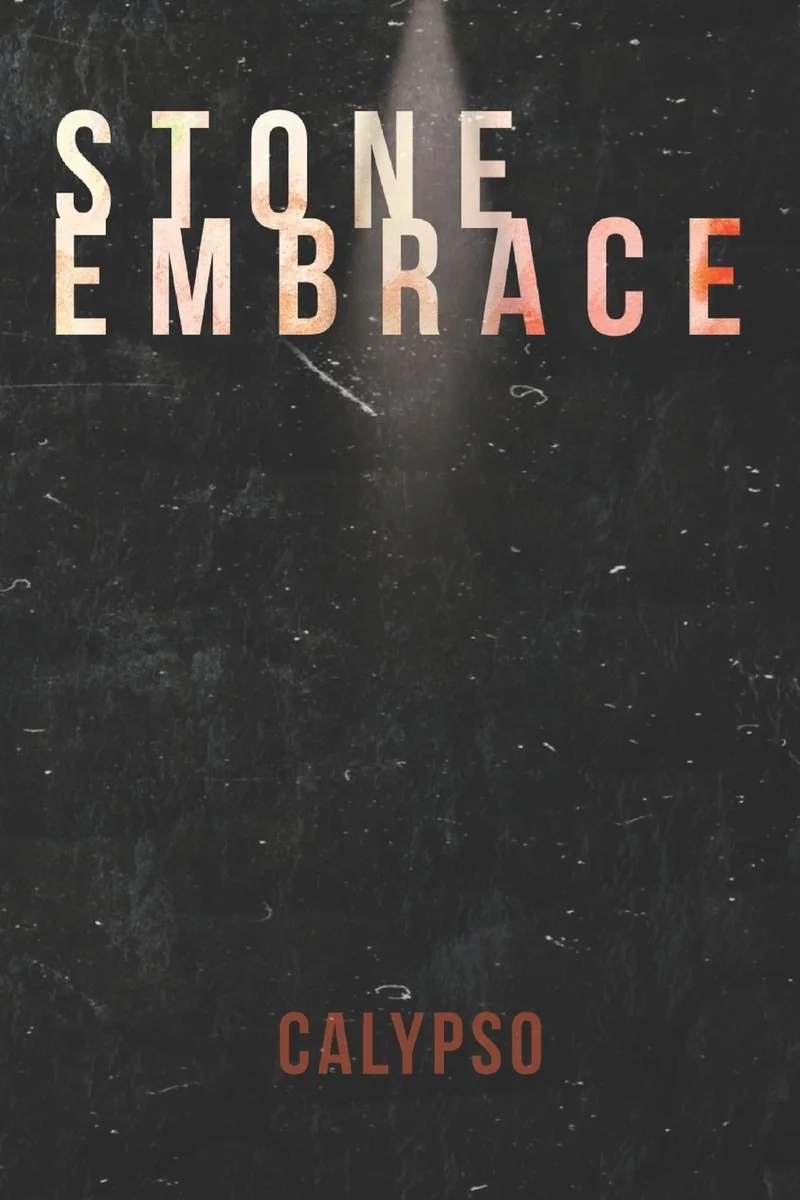
Stone Embrace
A confined man faces madness and mysterious sounds in isolation.
The narrative follows a single character trapped in sensory deprivation. His lack of memory regarding his crime adds to the terror. The story tracks his descent into a state similar to 1980s action movie logic. The environment remains static while his mind fractures. The ending hinges on auditory cues rather than visual revelation. This structure emphasizes internal conflict over external plot twists.
The text references the stylistic influence of 1980s action cinema on the protagonist's thoughts. It is an independent publication released in July 2026 by Calypso. The work fits within the broader tradition of supernatural fiction and gothic horror.


📝 Description: Stone Embrace
💎 Our verdict on Stone Embrace
📖 Why choose it
Why this book is worth reading
Readers who appreciate slow-burn psychological terror and ambiguous endings will find this narrative deeply engaging. The book offers a compelling study in atmospheric dread, focusing on the mental collapse of a protagonist trapped in sensory deprivation. Those interested in the intersection of guilt, madness, and isolation will appreciate the minimalist approach that expands inward to the character's fractured psyche. It is ideal for those who prefer internal conflict over external plot twists or traditional jump scares. The unique stylistic choice of resembling 1980s action movie logic during moments of sanity loss provides a distinctive reading experience. This work challenges the reader to interpret auditory cues and psychological states rather than relying on clear resolutions, making it a rewarding choice for fans of dark fantasy and true crime-adjacent psychological studies.
⭐ Reader reviews
Reader rating
Calypso delivers a potent exploration of mental fragility through a confined protagonist's descent into madness. The narrative excels in building tension via sensory deprivation and paranoia, avoiding reliance on visual horror monsters. By emphasizing internal conflict over external events, the story creates a claustrophobic atmosphere that lingers long after the final page. The stylistic shift toward 1980s action logic during the protagonist's deterioration offers a unique, albeit unsettling, perspective on sanity loss. This approach suits readers who enjoy ambiguous endings and psychological complexity. While it may not appeal to those seeking clear resolutions or traditional horror tropes, the book stands as a strong example of atmospheric dread. It effectively captures the terror of isolation without needing elaborate plot devices.
📖 Read on the blog
🏛 Books from this publisher Independently Published








You might also like
See more →
Have a question about this item?
Ask about the edition, condition, delivery or anything else — we reply by email or phone, usually within a day.
