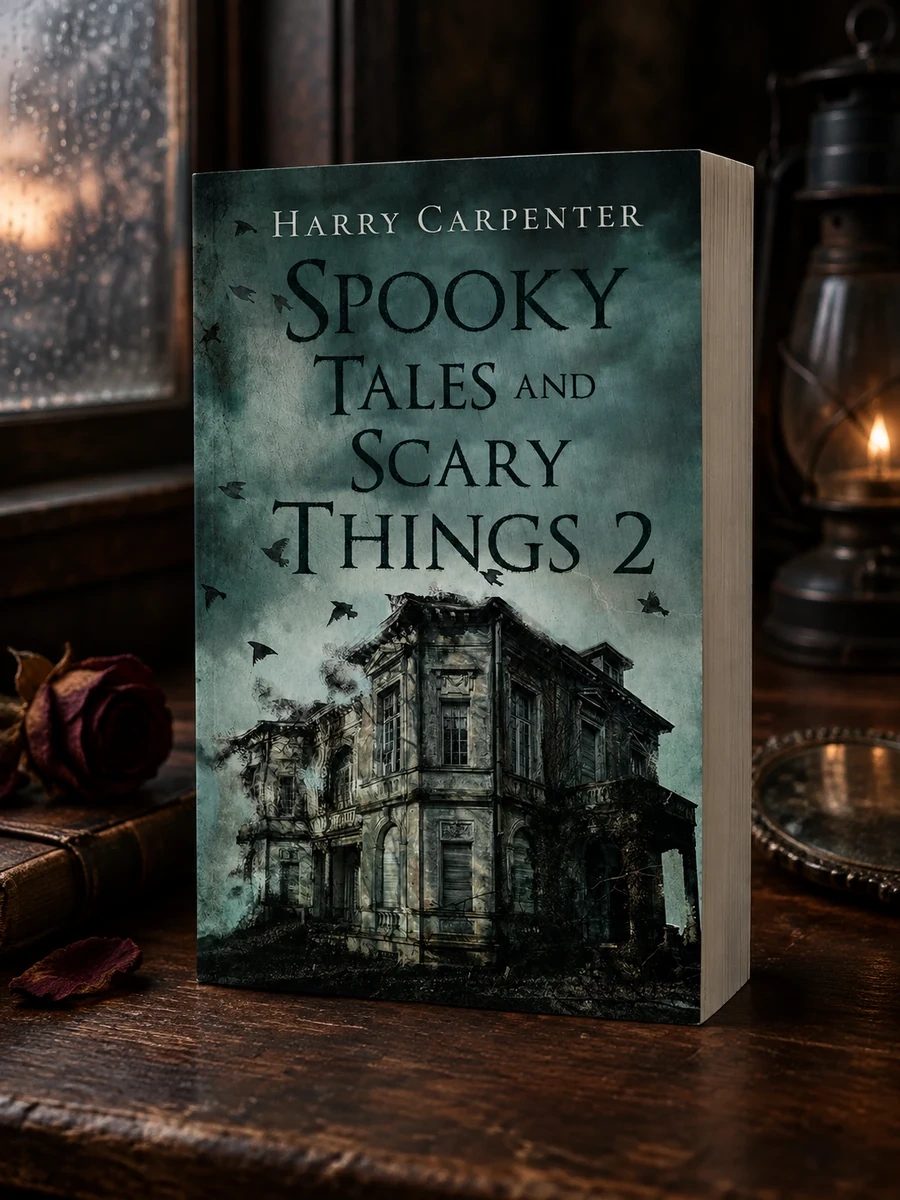
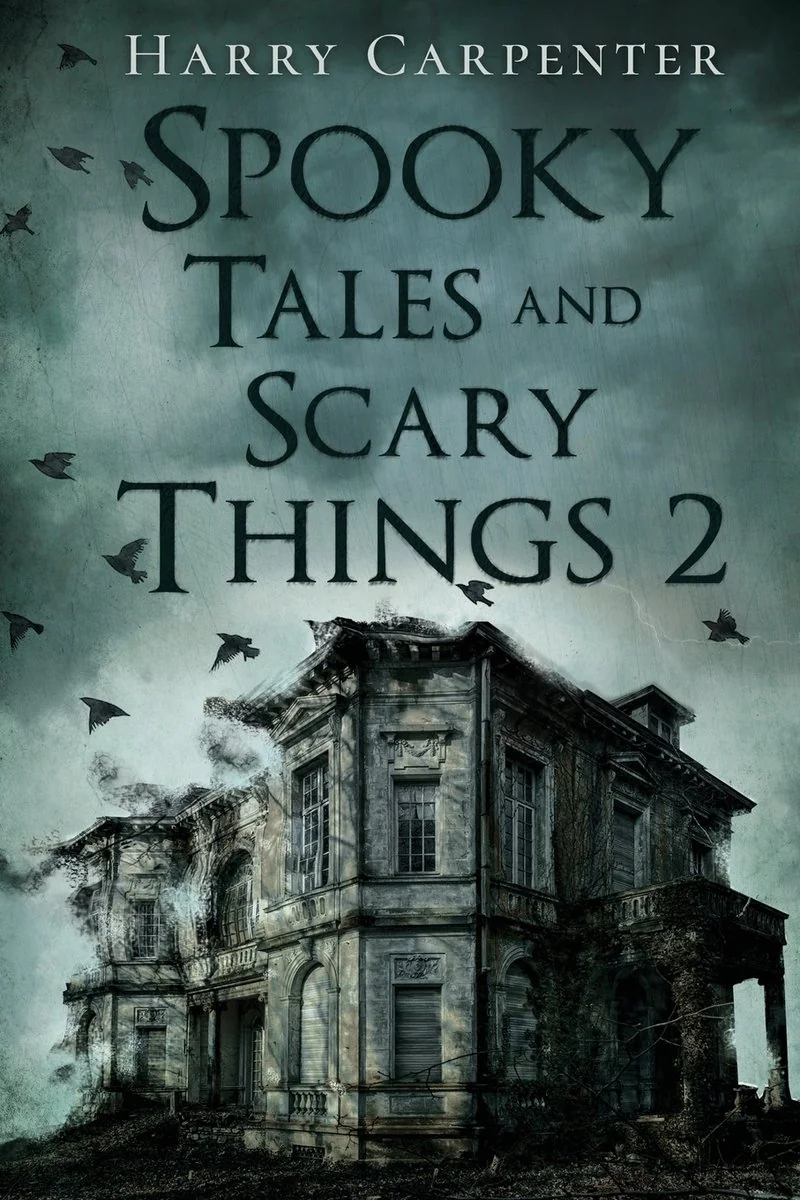
Spooky Tales and Scary Things 2
A collection of ghost stories focusing on psychological unease and atmosphere.
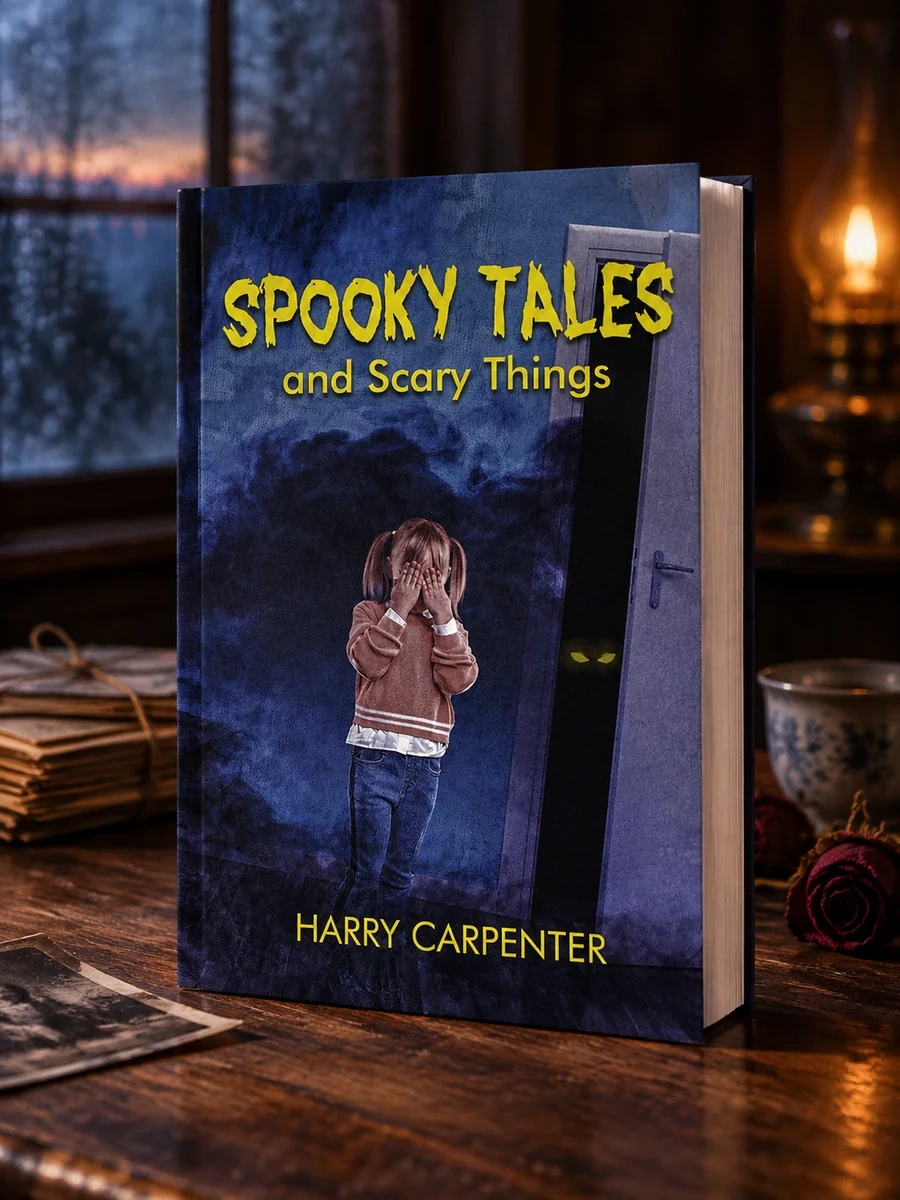
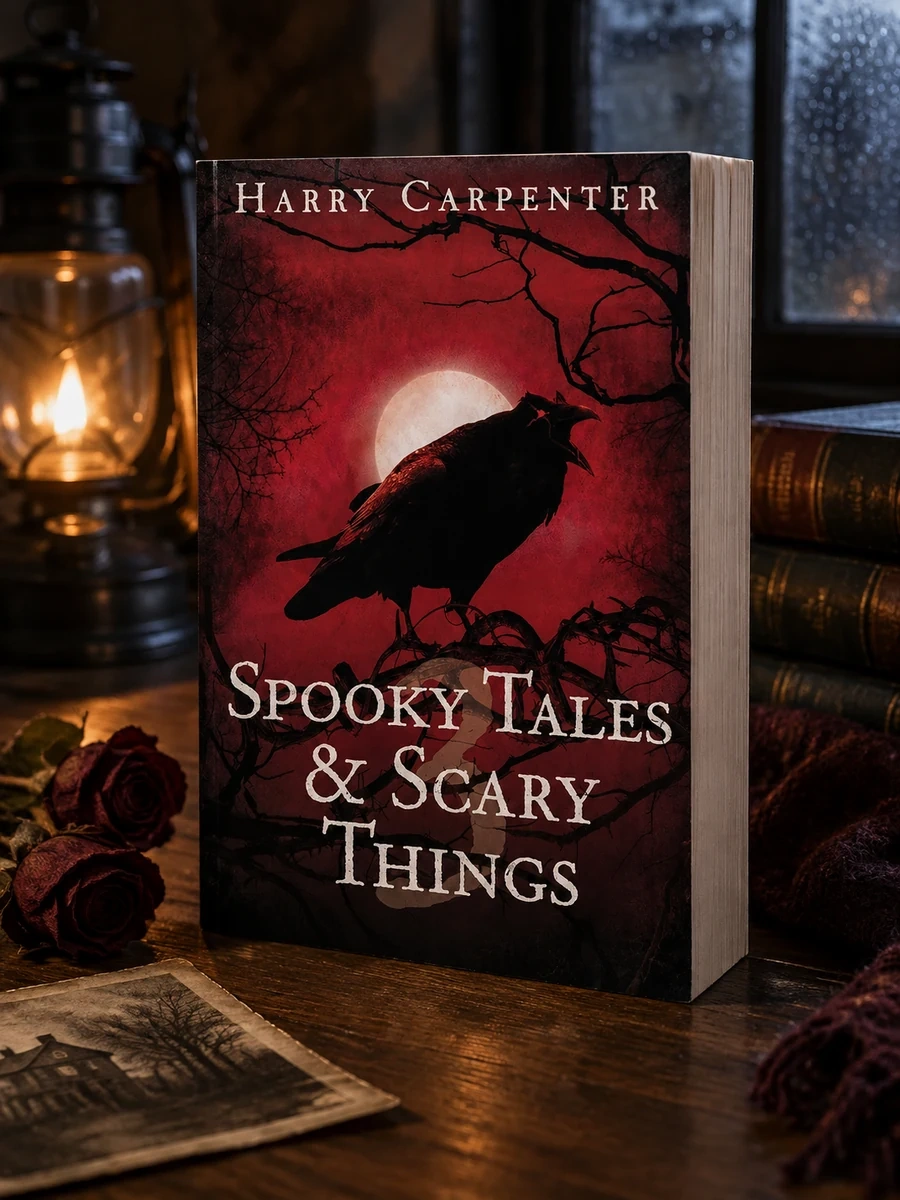
Carpenter’s second volume continues his exploration of the macabre by emphasizing mood over action. The publisher Midnight Destiny Publishing released this paperback edition to target audiences who prefer subtle horror. The content draws heavily on gothic fiction traditions, using silence and suggestion to create dread. There is no reliance on gore or sensationalism. Instead, the text builds fear through careful pacing. This method appeals to classic horror enthusiasts who value psychological depth. The book avoids modern trends that prioritize shock value. It offers a consistent tone throughout its pages. Readers seeking a calm yet chilling experience will find this collection appropriate. Those expecting loud scares should look elsewhere.
Published in August 2021 by Midnight Destiny Publishing, this paperback joins a lineage of classic horror literature. It appeals to American readers who value the slow-burn tradition of gothic storytelling over modern sensationalism.


📝 Description: Spooky Tales and Scary Things 2
💎 Our verdict on Spooky Tales and Scary Things 2
📖 Why choose it
Why this book is worth reading
Readers who crave slow, creeping dread rather than immediate visceral thrills will find profound satisfaction in this collection. Harry Carpenter’s emphasis on mood over action offers a refined experience for those who value psychological depth and atmospheric tension. By avoiding gore and relying on careful pacing, the book appeals to classic horror enthusiasts seeking a calm yet chilling narrative journey. It is ideal for individuals who appreciate the subtle art of building fear through suggestion and silence. Those looking for a straightforward addition to their library of macabre works, without the distraction of graphic content or loud scares, will discover a consistent tone that lingers in the mind long after reading.
⭐ Reader reviews
Reader rating
Carpenter delivers a masterclass in atmospheric horror by prioritizing psychological unease over explicit violence. The text successfully builds fear through silence and suggestion, respecting gothic traditions while avoiding modern shock tactics. This approach creates a steady stream of spooky narratives that maintain chill without relying on graphic content. The collection is best suited for fans of classic horror who appreciate refined storytelling and careful pacing. It stands out for its commitment to subtle tension rather than sensationalism. Readers seeking immediate thrills may find the pace too slow, but those valuing mood over action will appreciate the consistent tone. This work is a worthy addition for libraries dedicated to the macabre.