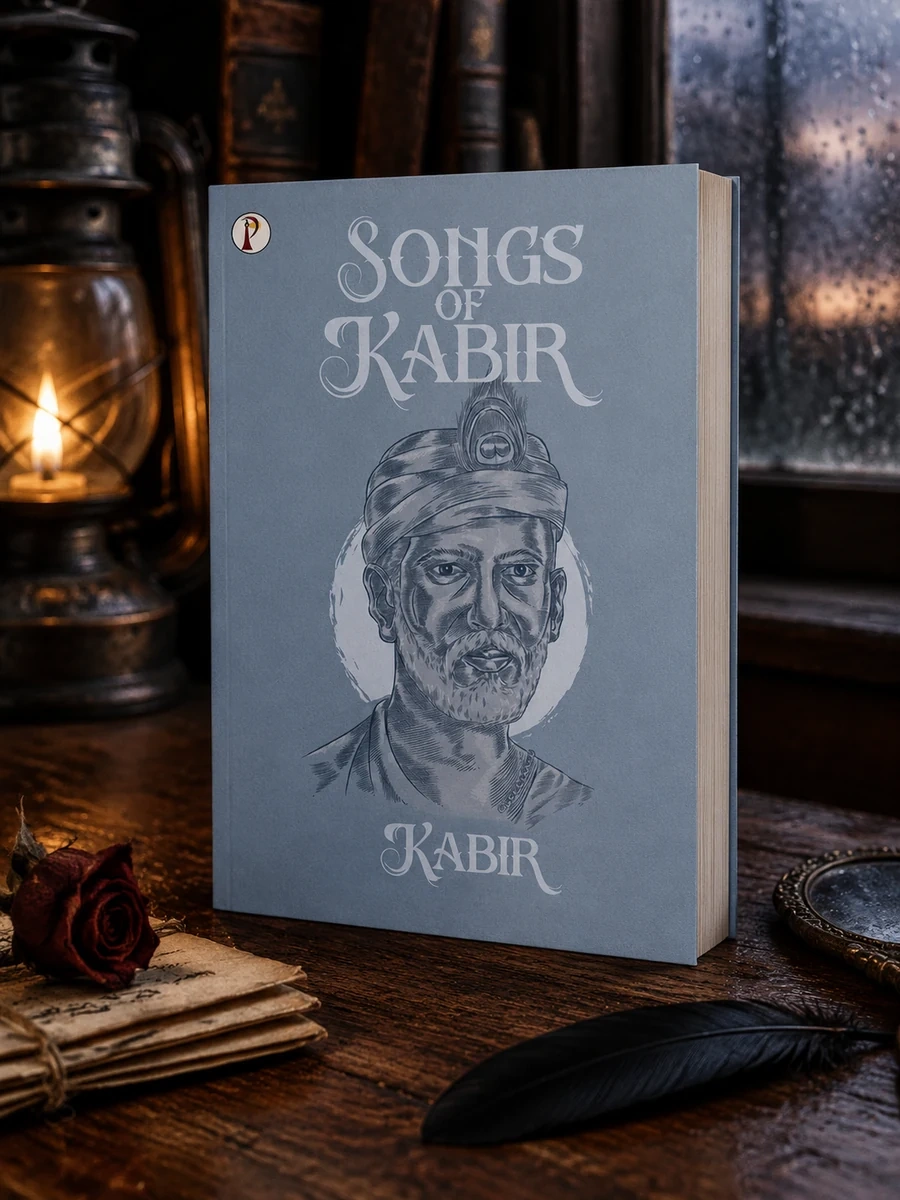

Songs of Kabir
A 1915 translation of one hundred poems by Indian mystic Kabir, blending Sufi and Hindu thought.
The book contains one hundred poems translated from Hindi by Rabindranath Tagore. The original author lived in the fifteenth century. The work combines Sufism with Hindu philosophy. Imagery comes from common life experiences. Emotional ranges include ecstasy, despair, beatitude, illumination, and love. The text is organized as a collection of verses. It reflects the mystic’s thoughts and emotions. The translation aims for simplicity. The 2025 edition preserves this historical perspective.
Kabir lived in the fifteenth century in India. His work blends Sufi and Hindu traditions. Rabindranath Tagore translated these poems from Hindi to English in 1915. The collection reflects Indian spiritual heritage through universal imagery.


📝 Description: Songs of Kabir
💎 Our verdict on Songs of Kabir
📖 Why choose it
Why this book is worth reading
Readers seeking to understand the intersection of Eastern mysticism and English literary history will find this text essential. It offers a unique window into fifteenth-century spiritual thought, expressed through simple yet profound imagery drawn from daily life. While not horror, its intense emotional ranges—ecstasy, despair, and illumination—may appeal to those interested in psychological depth and comparative religion. The work challenges readers with its reflective tone and abstract concepts, rewarding patience with insights into universal human experience. It is ideal for scholars of spirituality or poetry enthusiasts who appreciate the historical evolution of mystical verse across cultural boundaries.
⭐ Reader reviews
Reader rating
This collection stands as a significant historical artifact, preserving the voice of a fifteenth-century mystic through Tagore’s 1915 translation. The text excels in its use of common life imagery to articulate complex spiritual states, merging Sufi and Hindu philosophies with striking clarity. Its strength lies in its emotional authenticity, moving seamlessly between beatitude and despair. However, it is strictly non-fiction poetry rather than horror or supernatural fiction. Readers expecting gothic thrills will likely find the content abstract and devotional. It suits those with a scholarly interest in comparative religion or a deep appreciation for historical mysticism. The simplicity of language masks the depth of thought, requiring an attentive and patient reader willing to engage with reflective verses.
📖 Read on the blog
🏛 Books from this publisher Pharos Books Private Limited





You might also like
See more →


Have a question about this item?
Ask about the edition, condition, delivery or anything else — we reply by email or phone, usually within a day.
