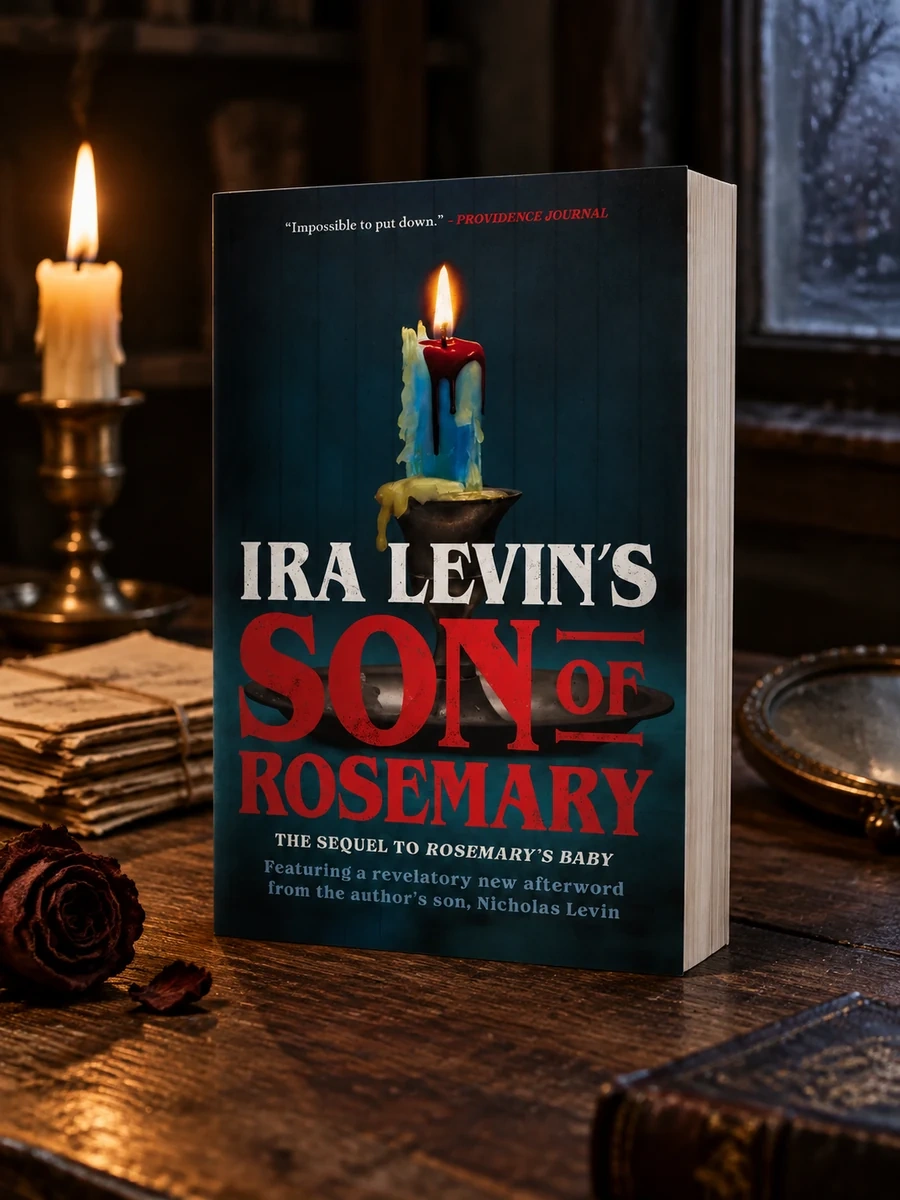
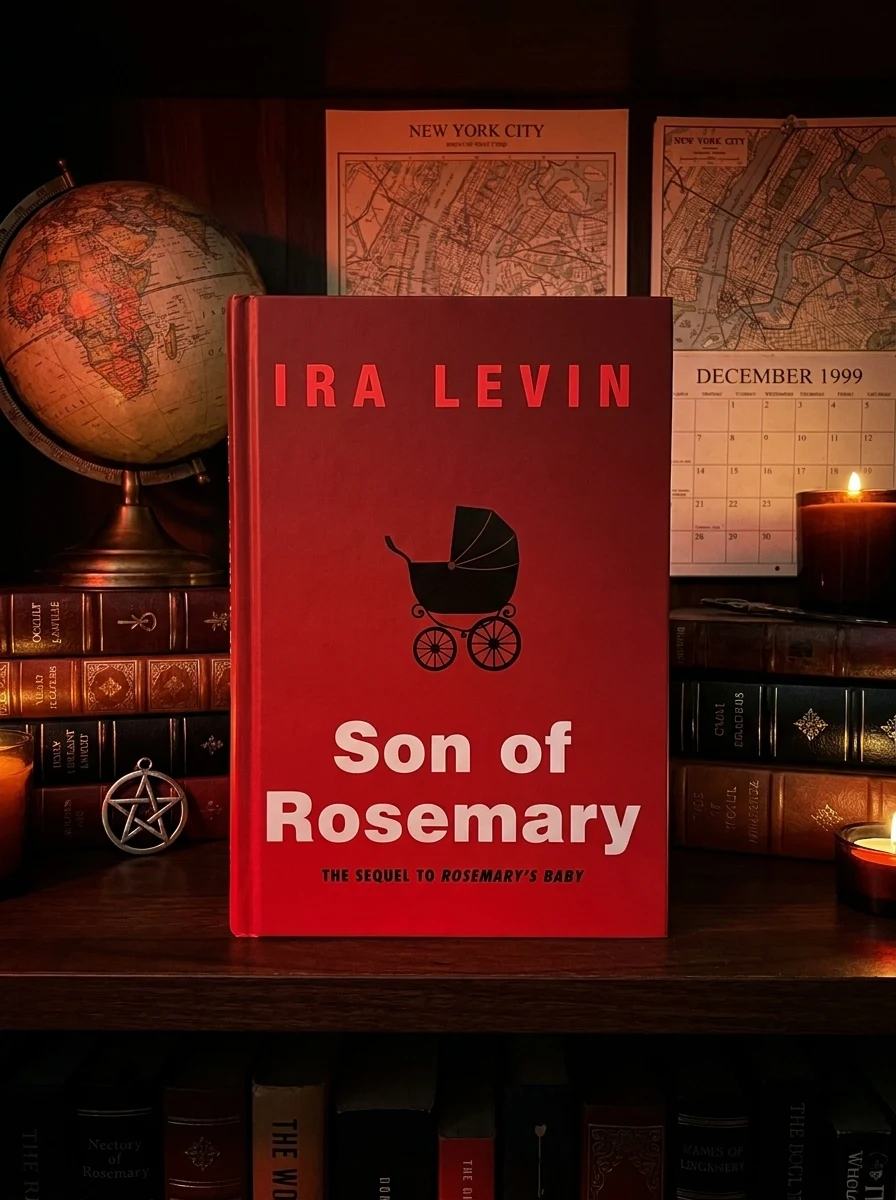
Son of Rosemary: The Sequel to Rosemary's Baby
A sequel following Rosemary's awakening in 1999 to confront her son's global influence.
This volume continues the saga of Rosemary Woodhouse and her offspring. It shifts focus from the initial horror of childbirth to the political and spiritual ramifications of raising a potentially demonic child. The story is set in nineteen ninety nine, decades after the original events. Levin uses this timeline to explore how a charismatic figure can manipulate masses. The narrative structure relies on suspense and dark comedy rather than traditional jump scares. It questions the nature of evil when it is packaged as peace. The inclusion of an afterword by Nicholas Levin adds context to the author's intent. This approach maintains the eerie atmosphere of the first book while expanding its scope.
Ira Levin’s work bridges mid twentieth century horror with late twentieth century anxieties. Published in nineteen ninety nine, it reflects fears surrounding the new millennium. The story connects classic satanic tropes with modern media influence. It sits within the tradition of American gothic fiction that critiques societal norms through supernatural metaphors.


📝 Description: Son of Rosemary: The Sequel to Rosemary's Baby
💎 Our verdict on Son of Rosemary: The Sequel to Rosemary's Baby
📖 Why choose it
Why this book is worth reading
Readers who appreciated the original novel’s blend of supernatural dread and sharp social commentary will find this volume compelling. It appeals to those interested in gothic fiction and psychological suspense, particularly those fascinated by the dynamics of power and faith. The narrative offers a darkly comic exploration of good versus evil, making it suitable for audiences who enjoy complex family dramas with high stakes. However, those seeking lighthearted entertainment or simple resolutions may find the tone too bleak. The inclusion of an afterword provides additional context for literary enthusiasts.
⭐ Reader reviews
Reader rating
Levin successfully expands the scope of his original saga, shifting from intimate domestic horror to global political and spiritual ramifications. By setting the story in 1999, he effectively critiques how charismatic figures manipulate masses under the guise of peace. The narrative relies on suspense and dark comedy rather than traditional scares, maintaining an eerie atmosphere while questioning the nature of evil. The battle of wills between Rosemary and her son drives the plot with significant stakes. This work suits readers who enjoy psychological depth and gothic themes. It is a thoughtful continuation that rewards those willing to engage with its complex moral ambiguities and bleak tone.
📖 Read on the blog
✍️ More books by this author Ira Levin



🏛 Books from this publisher Blackstone Publishing


You might also like
See more →
Have a question about this item?
Ask about the edition, condition, delivery or anything else — we reply by email or phone, usually within a day.
