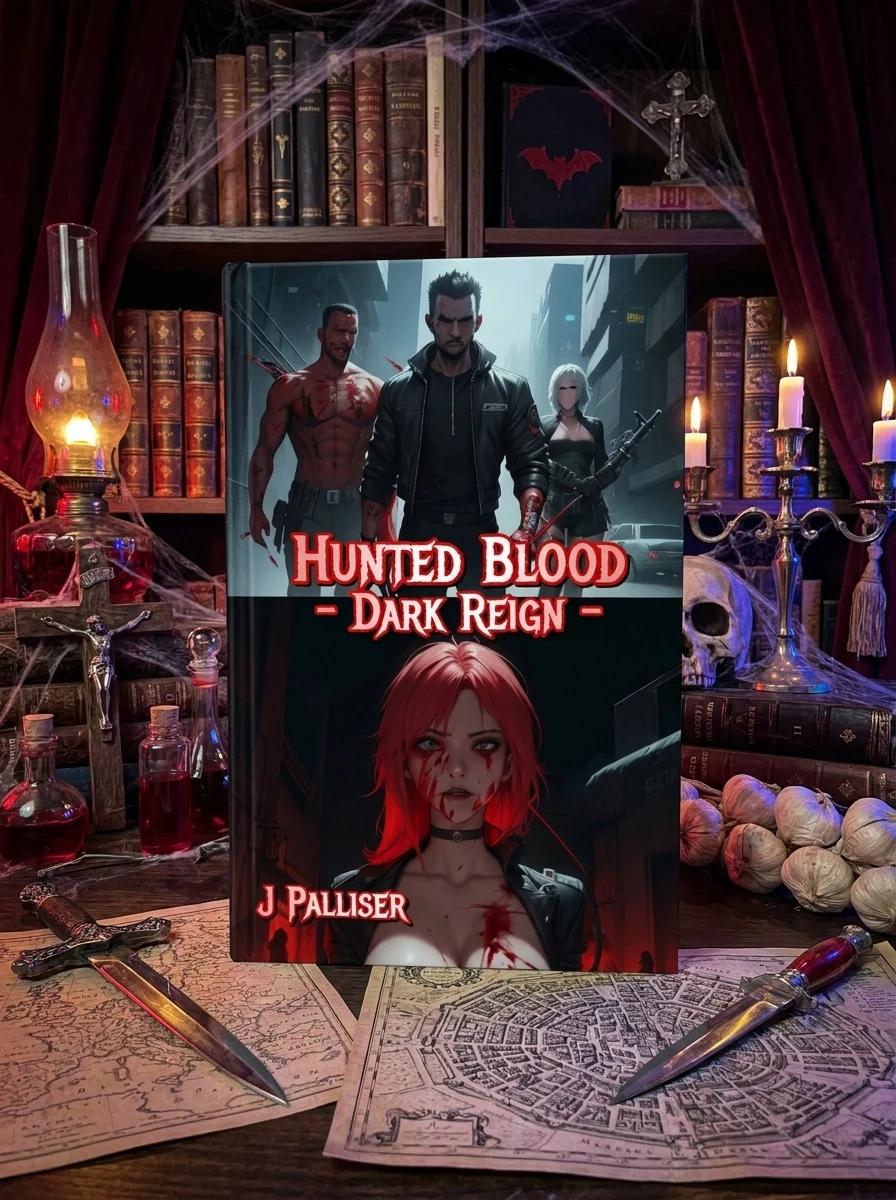
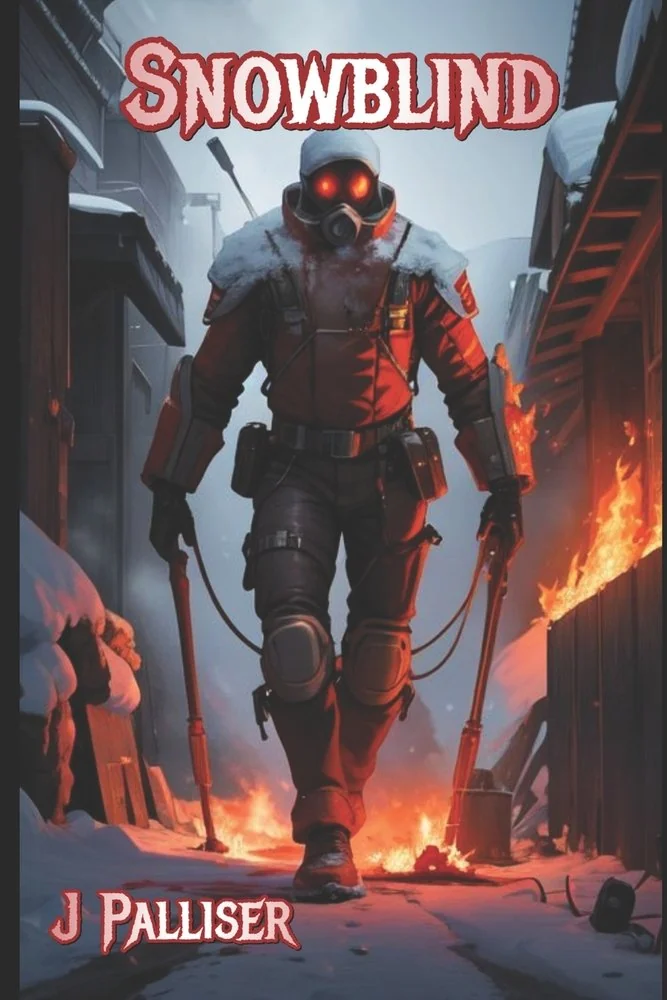
Snowblind
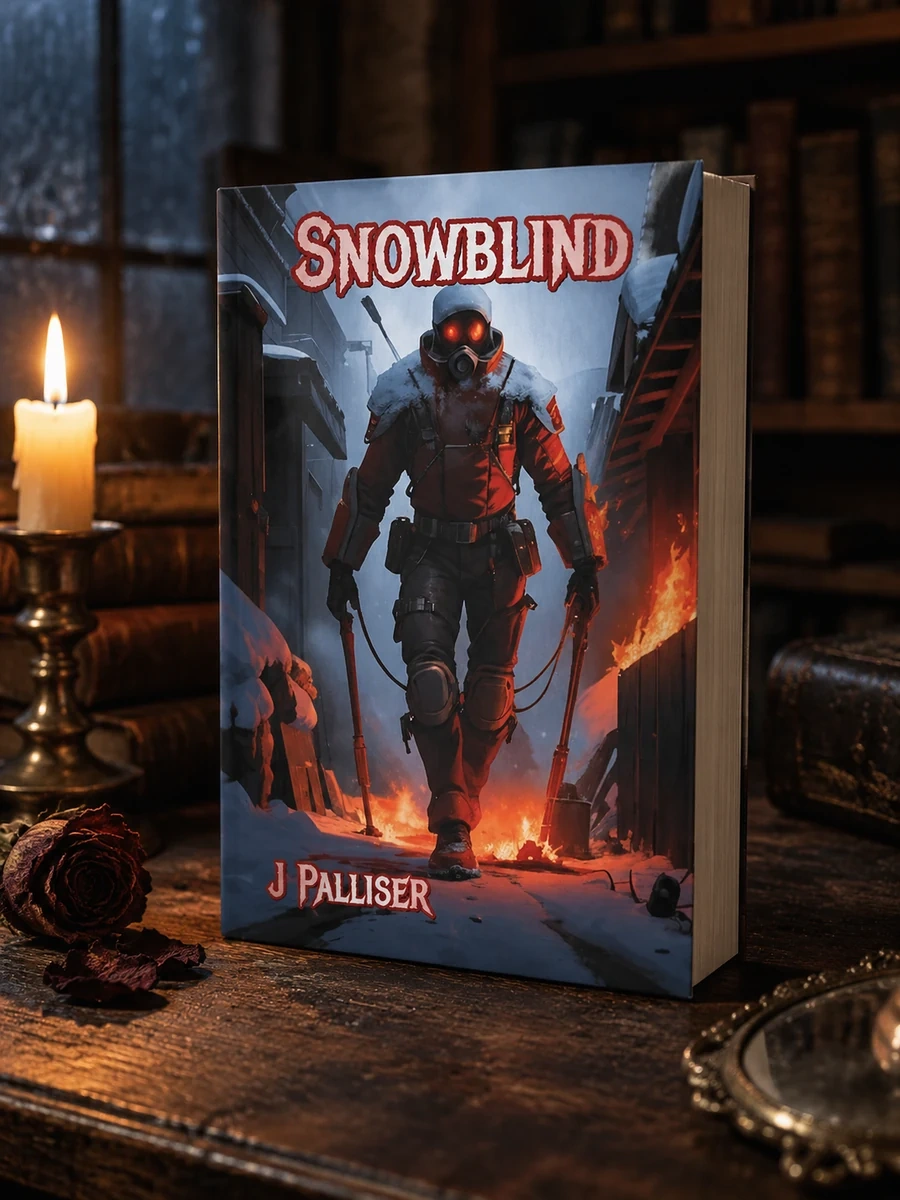
A shape-shifting Parasite hides among survivors at an Antarctic research station.
The story follows three men rescued from a destroyed facility who bring a hidden threat to their new location. Medical staff and other inhabitants must identify the imposter among them. The narrative focuses on psychological tension and the breakdown of trust in an isolated environment. Palliser uses the setting to amplify fear and uncertainty. The plot does not rely on external action but on internal suspicion and the inability to verify identity. This approach creates a slow-burn atmosphere where every interaction carries potential danger. The resolution hinges on the characters' ability to detect subtle changes in behavior.
The book sits within the tradition of Antarctic horror fiction, echoing works like The Thing and At the Mountains of Madness. It utilizes the historical context of remote research stations to explore themes of trust and identity in extreme conditions.


📝 Description: Snowblind
💎 Our verdict on Snowblind
📖 Why choose it
Why this book is worth reading
This book is ideal for readers who crave atmospheric dread over visceral gore, offering a masterclass in slow-burn tension. Those who appreciate narratives where the primary antagonist is suspicion itself will find this compelling. The novel excels at exploring how isolation fractures trust and identity, making it perfect for fans of psychological horror that prioritize mental unraveling over physical action. Readers who enjoy ambiguous resolutions and unreliable perspectives will gain satisfaction from analyzing the subtle behavioral shifts that drive the plot. It serves those seeking a cerebral horror experience that lingers long after the final page, challenging them to question the nature of reality and humanity within its confined, hostile setting.
⭐ Reader reviews
Reader rating
J Palliser delivers a tense exploration of paranoia in an isolated Antarctic facility. The narrative effectively leverages the setting to amplify fear, focusing on internal suspicion rather than external action. By blurring the line between friend and foe, the story creates a claustrophobic atmosphere where every interaction carries potential danger. The reliance on psychological deterioration over plot twists may frustrate those seeking clear resolutions, but it rewards patients with a deeply unsettling experience. It suits readers who enjoy gothic traditions of isolation and mimicry tropes, offering a sophisticated take on the imposter subgenre that prioritizes mood and character psychology above all else.