
Sleepy Hollow 1820
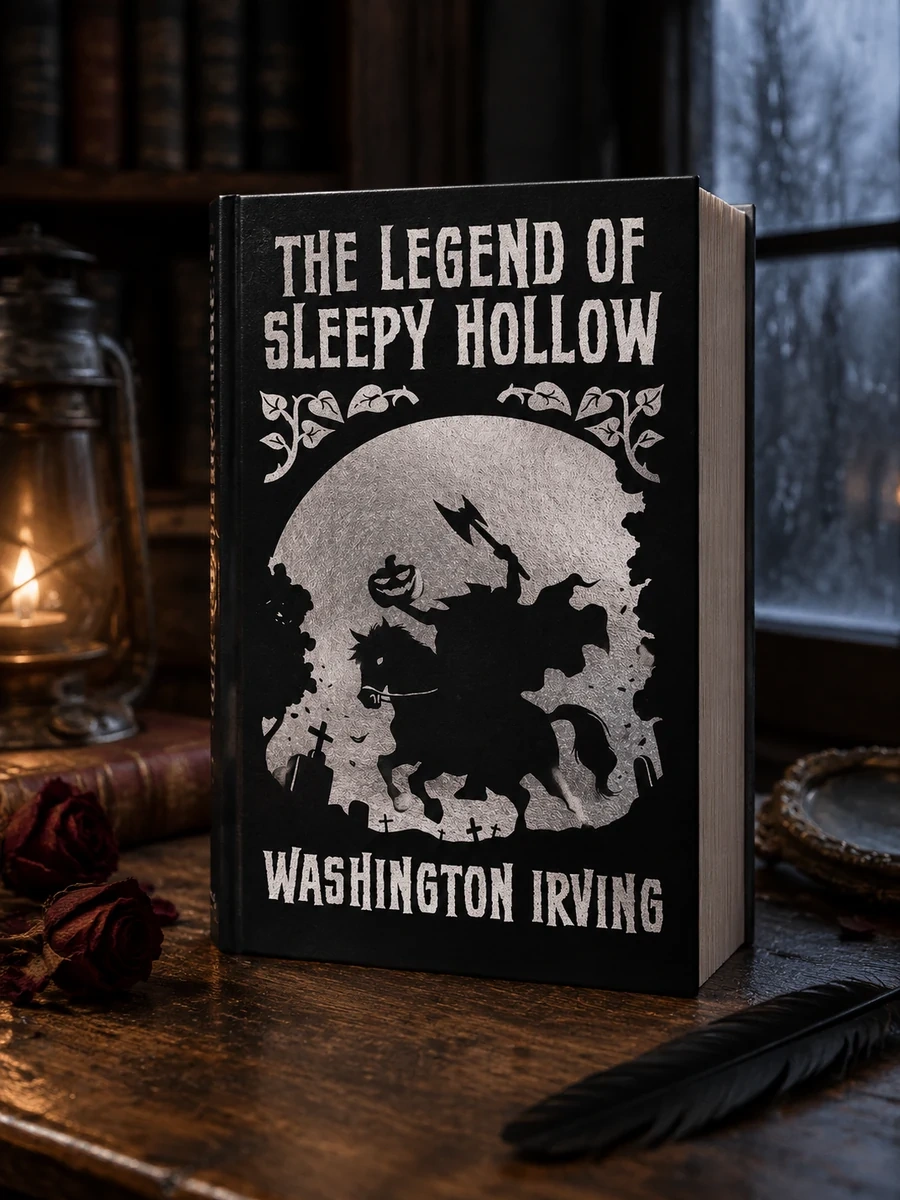
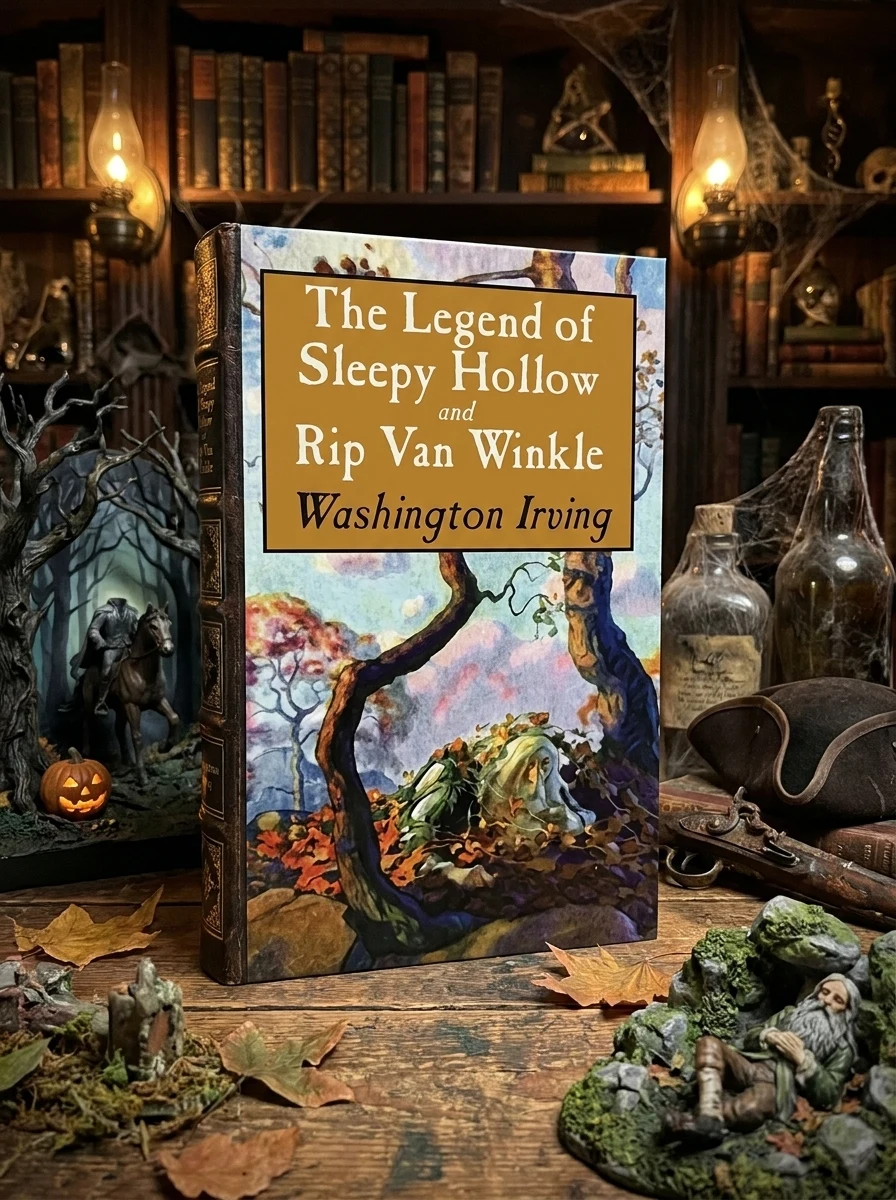
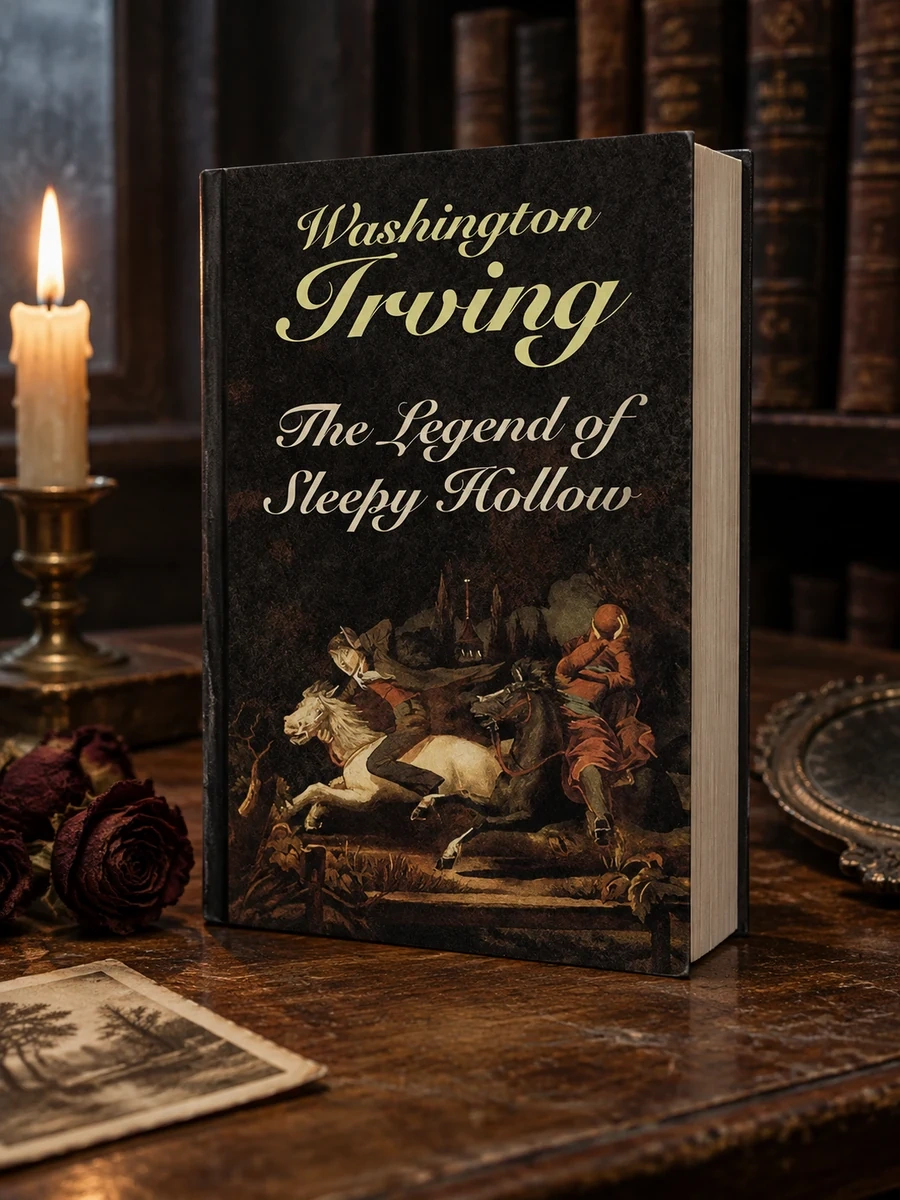
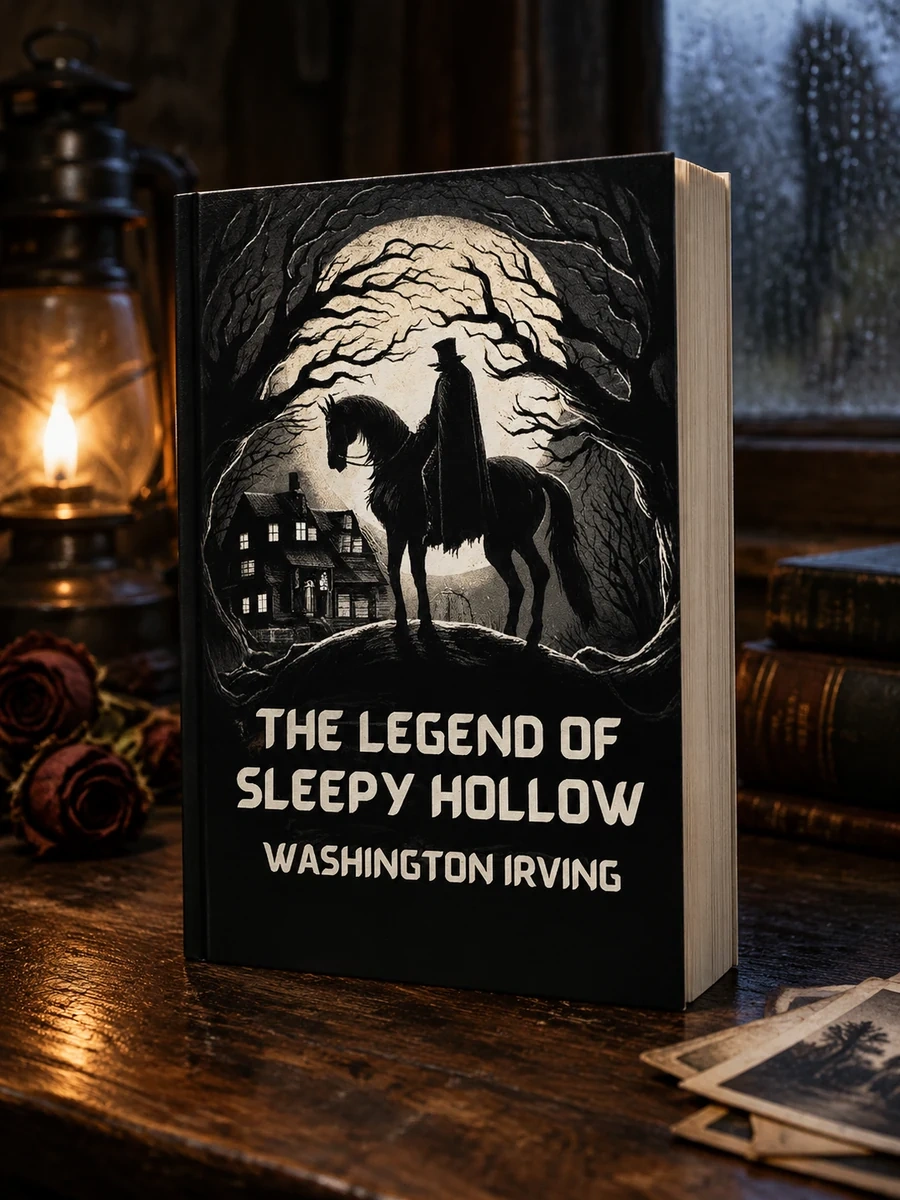
Washington Irving's 1790 tale of a headless ghost in New York.
This volume captures the eerie reputation of Sleepy Hollow through the lens of 1790s rural life. Irving focuses on the psychological impact of local legends on the community. The narrative highlights the fear surrounding the Hessian trooper's spectral return. Readers experience the tension between historical reality and supernatural belief. The work does not offer modern analysis but presents the raw folklore. It suits those who appreciate the origins of American gothic storytelling. The text avoids complex plot twists, favoring mood and setting instead.
The narrative occurs in 1790 within the Dutch settlement of Tarry Town, New York. It reflects the cultural memory of the American Revolutionary War and its lingering supernatural myths in rural communities.


📝 Description: Sleepy Hollow 1820
💎 Our verdict on Sleepy Hollow 1820
📖 Why choose it
Why this book is worth reading
Readers seeking the origins of American gothic storytelling will find this volume essential for understanding how regional myths shaped early literary imagination. It appeals to those who appreciate atmospheric legend over complex plot twists, offering a raw presentation of folklore rather than modern analysis. The narrative highlights the psychological impact of local legends on a community, making it ideal for enthusiasts of ghost stories and dark fantasy. By focusing on mood and setting, Irving provides a primary source for studying supernatural tropes in literature. Those interested in historical context within horror fiction will gain insight into the tension between reality and belief in 1790s rural life.
⭐ Reader reviews
Reader rating
Irving’s narrative excels in establishing a haunting atmosphere through the depiction of Sleepy Hollow, a secluded glen defined by its eerie reputation. The work effectively conveys the fear surrounding the Hessian trooper’s spectral return without relying on complex character studies or modern thriller elements. It suits readers who value historical context and the origins of American gothic traditions. While those seeking contemporary psychological horror may find the focus on legend less engaging, fans of early supernatural fiction will appreciate the raw folklore presented here. The text serves as a crucial examination of how regional myths influenced literary imagination during the post-Revolutionary period.
📖 Read on the blog
📖 From the series “Horrorificus Clip”



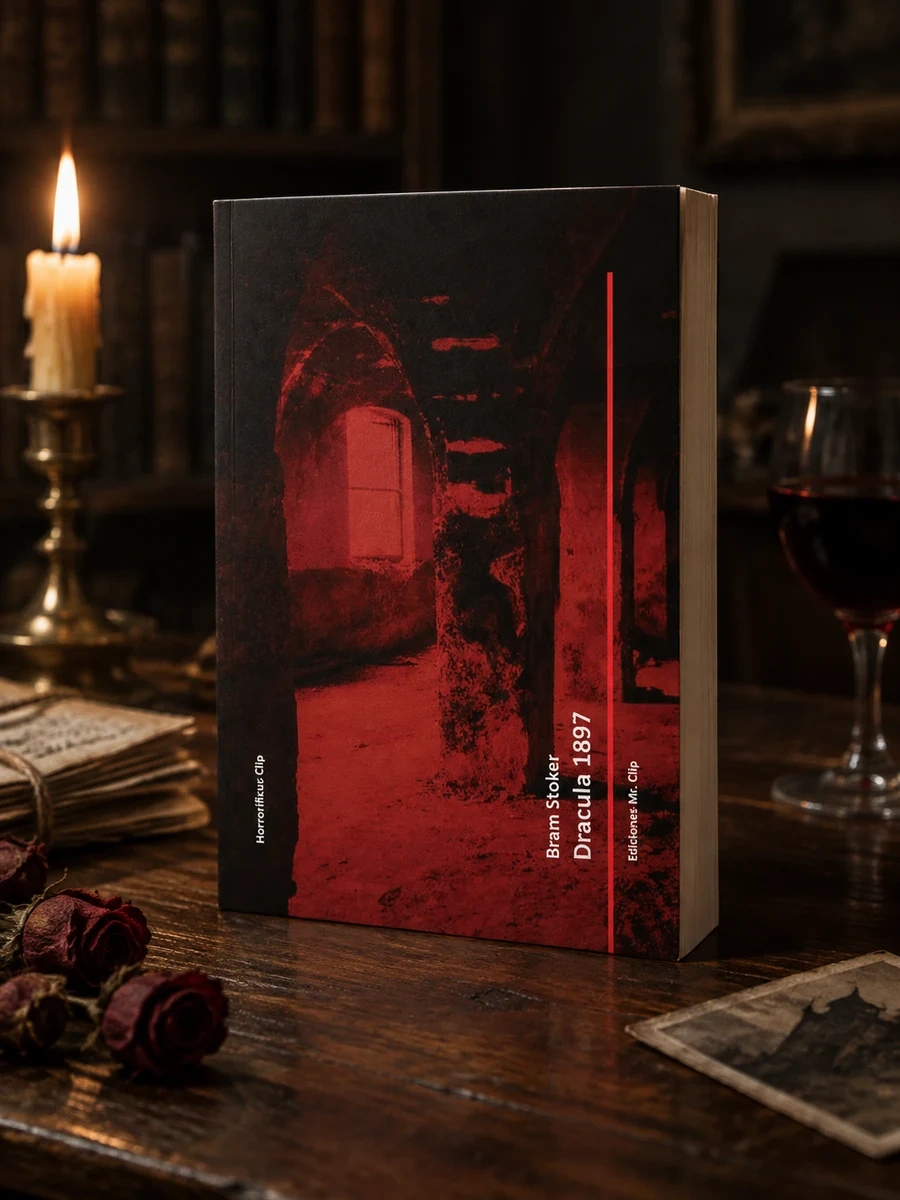
✍️ More books by this author Washington Irving
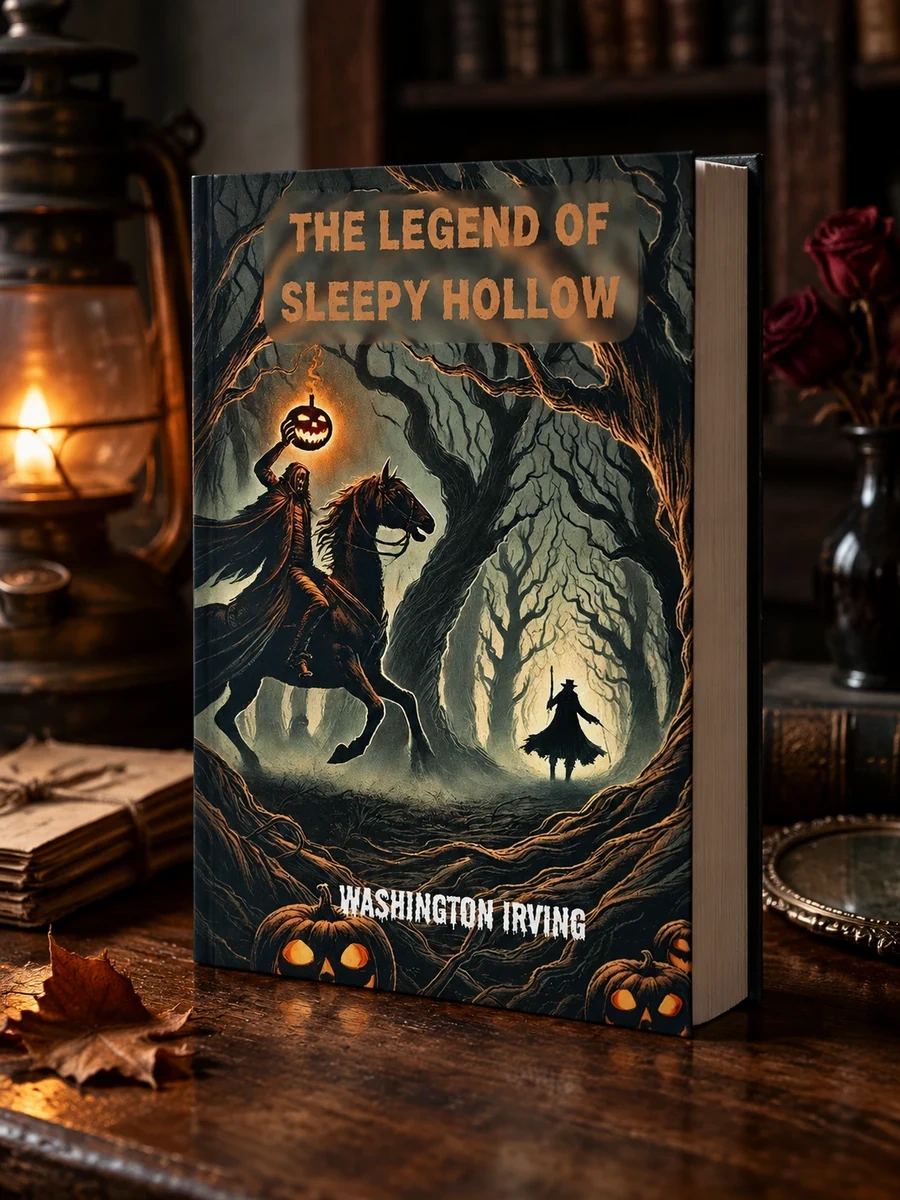
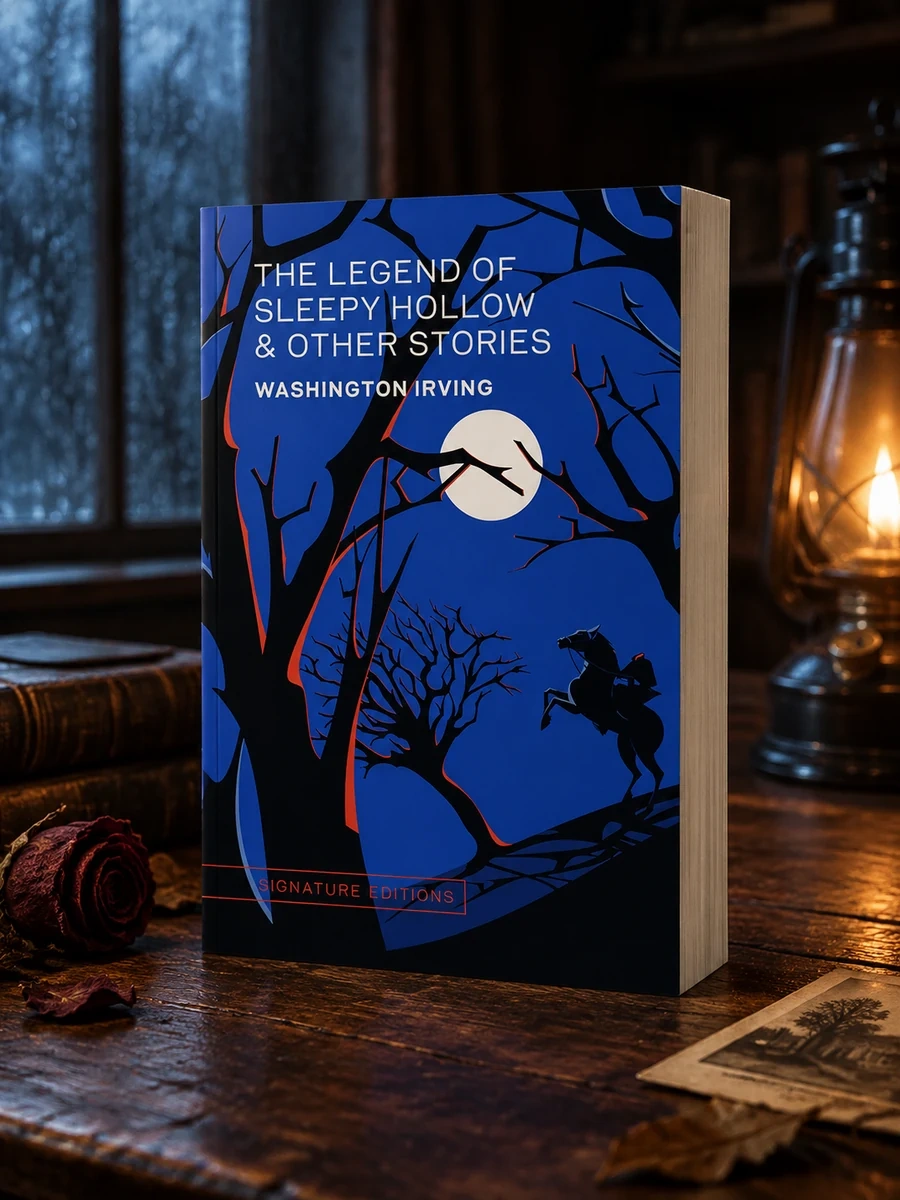
🏛 Books from this publisher Createspace Independent Publishing Platform






You might also like
See more →
Have a question about this item?
Ask about the edition, condition, delivery or anything else — we reply by email or phone, usually within a day.
