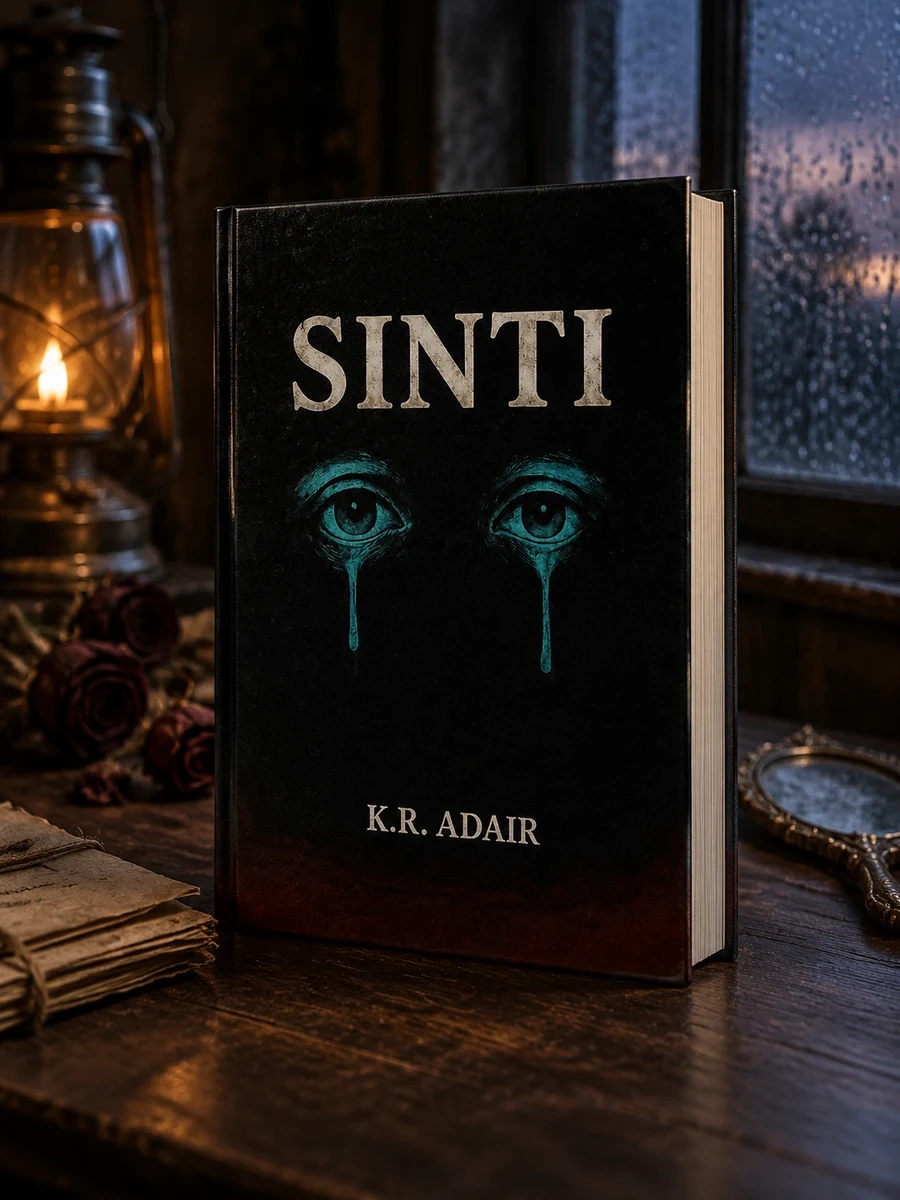
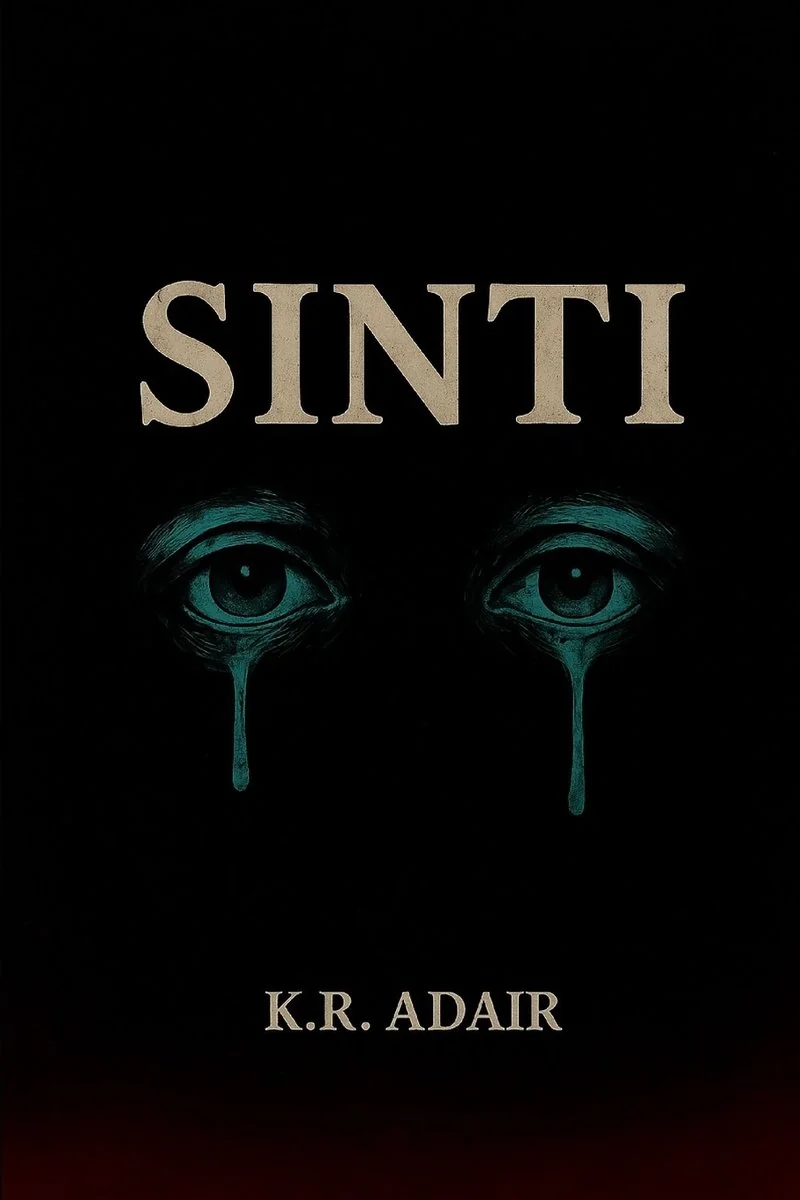
Sinti
A German deserter faces psychological horror while recovering in the Apennines.
Adair writes a tale where recovery becomes a trap for the mind. The injured soldier, saved by a gypsy woman, finds his healing process intertwined with supernatural terror. This is not a story of battlefield glory but of internal collapse. The narrative structure follows the soldier's descent into mental woe as he realizes his lack of control over his soul. Adair draws on gothic traditions to explore the fragility of the human psyche under extreme stress. The setting in the Apennine Mountains provides a stark, isolated backdrop for this psychological unraveling. The text operates as an allegory, using horror elements to examine themes of guilt and powerlessness. It appeals to readers interested in the intersection of war trauma and supernatural fiction.
The narrative is set during the final years of the Great War, specifically within the Apennine Mountains. It draws on early twentieth-century gothic traditions to explore the psychological aftermath of conflict. The story reflects the era's fascination with the supernatural and the fragility of the human mind under duress.


📝 Description: Sinti
💎 Our verdict on Sinti
📖 Why choose it
Why this book is worth reading
Readers interested in the intersection of war trauma and supernatural fiction will find significant resonance in this allegorical exploration of mental collapse. The book appeals to those who appreciate atmospheric horror rooted in historical settings, particularly where psychological unraveling takes precedence over physical action. It offers a stark examination of guilt and powerlessness, making it ideal for audiences seeking deep, introspective narratives that challenge the boundary between reality and supernatural dread. Those willing to engage with a disorienting, allegorical structure will gain a profound understanding of the protagonist's internal battle.
⭐ Reader reviews
Reader rating
Adair crafts a compelling tale where recovery becomes a trap for the mind, focusing on psychological woe rather than battlefield glory. The isolated Apennine setting effectively underscores the protagonist's descent into mental terror. While the allegorical nature may disorient readers seeking clear resolutions or fast-paced adventure, it serves as a potent vehicle for examining the fragility of the human soul. The narrative successfully blends gothic traditions with historical trauma, creating a dense, atmospheric experience. This work suits best those who enjoy slow-burn psychological horror and complex character studies over traditional plot-driven genres.
📖 Read on the blog
🏛 Books from this publisher Independently Published








You might also like
See more →


Have a question about this item?
Ask about the edition, condition, delivery or anything else — we reply by email or phone, usually within a day.
