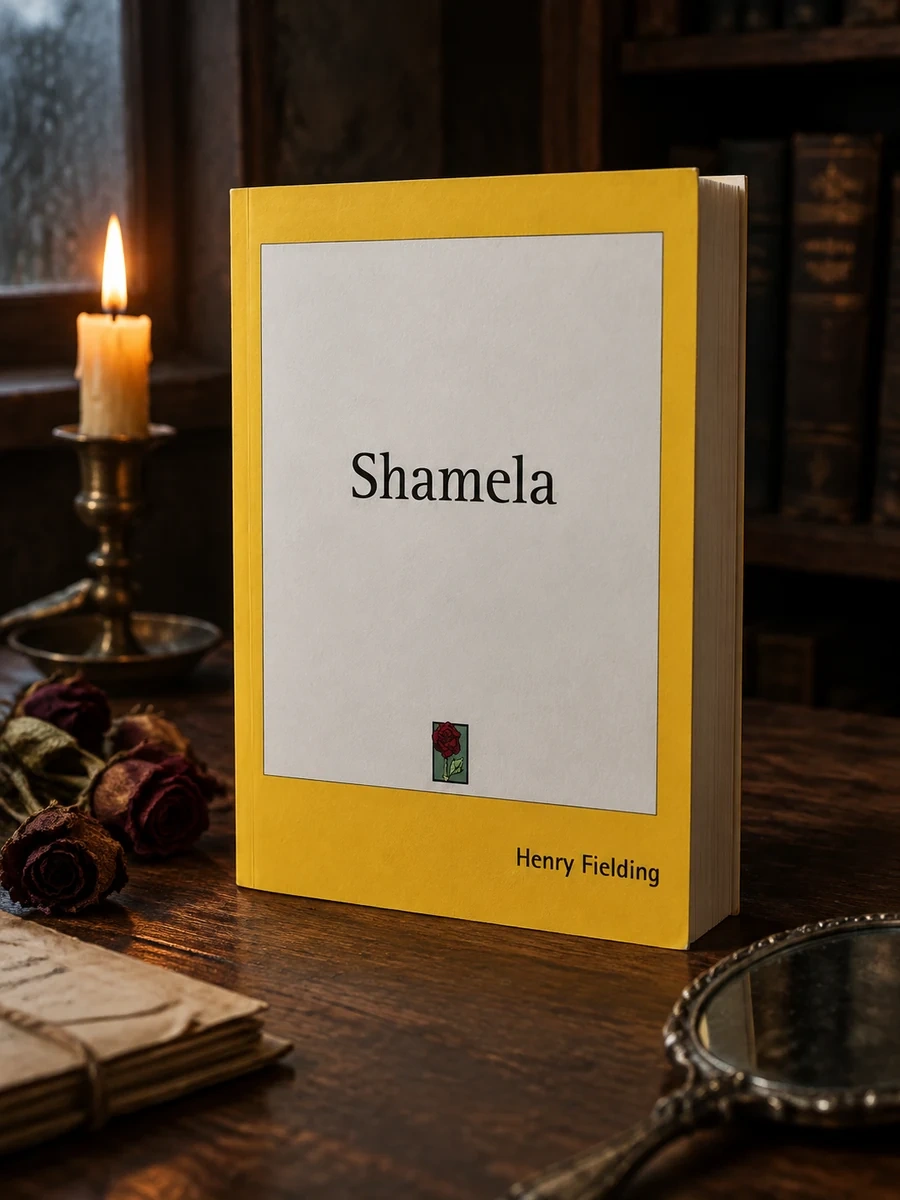


Shamela
A gothic classic exploring human nature through slow dread and unease.
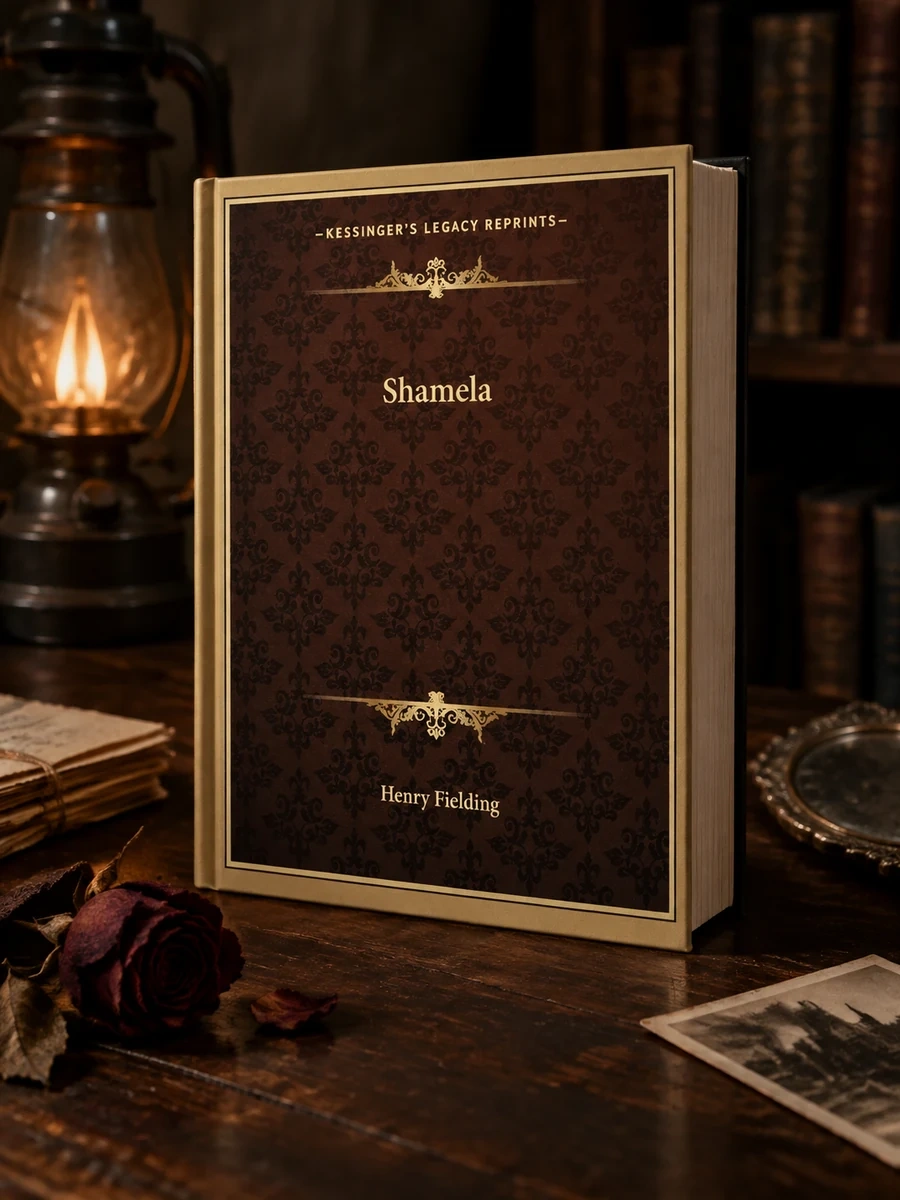
Kessinger Publishing has released this paperback of Shamela by Henry Fielding for today's readers. The story highlights the shadowy parts of human nature rather than offering standard horror excitement. Fielding uses a particular narrative method to create an atmosphere of ongoing discomfort. The structure supports a slow rise in tension, reflecting the literary techniques of its time. Those interested in how gothic fiction evolved will appreciate this look at fear. The text acts as a link to past explorations of the macabre. It demands patience from its audience, providing complexity instead of instant satisfaction. The work remains important for anyone studying how supernatural themes developed in literature.
Shamela appears in a 2004 paperback edition published by Kessinger Publishing. It connects to the gothic tradition and earlier explorations of the macabre. The work reflects the period’s literary experiments with fear and dread.


📝 Description: Shamela
💎 Our verdict on Shamela
📖 Why choose it
Why this book is worth reading
This volume is essential for readers who appreciate the slow-burning dread characteristic of classic gothic literature. It offers a unique perspective on the darker sides of human behavior through a narrative method that prioritizes mood over action. Those interested in the evolution of supernatural themes will find value in its complex tone and deliberate pacing. The book demands patience, rewarding those willing to engage with its subtle chill and ongoing discomfort. It is ideal for scholars or enthusiasts studying how fear was constructed in earlier literary periods. By focusing on depth rather than quick thrills, it provides a lasting impression of unease. Readers seeking complexity and historical context regarding the macabre will gain significant insight from this examination of human nature.
⭐ Reader reviews
Reader rating
Shamela stands as a compelling study of psychological horror within its historical context. The narrative effectively builds tension through gradual discomfort rather than relying on sudden scares or fast plots. This approach creates a lingering sense of unease that appeals to fans of atmospheric gothic fiction. The text successfully mirrors the period's experimental take on fear, offering a subtle but lasting chill. It is best suited for readers who value depth and are willing to engage with a complex tone. While it may not satisfy those seeking instant gratification or easy answers, it rewards patience with profound insights into human nature. This work remains a vital link to past explorations of the macabre, demonstrating how earlier authors crafted dread through structure and mood rather than explicit horror events.
📖 Read on the blog
✍️ More books by this author Henry Fielding



🏛 Books from this publisher Kessinger Publishing
You might also like
See more →


Have a question about this item?
Ask about the edition, condition, delivery or anything else — we reply by email or phone, usually within a day.
