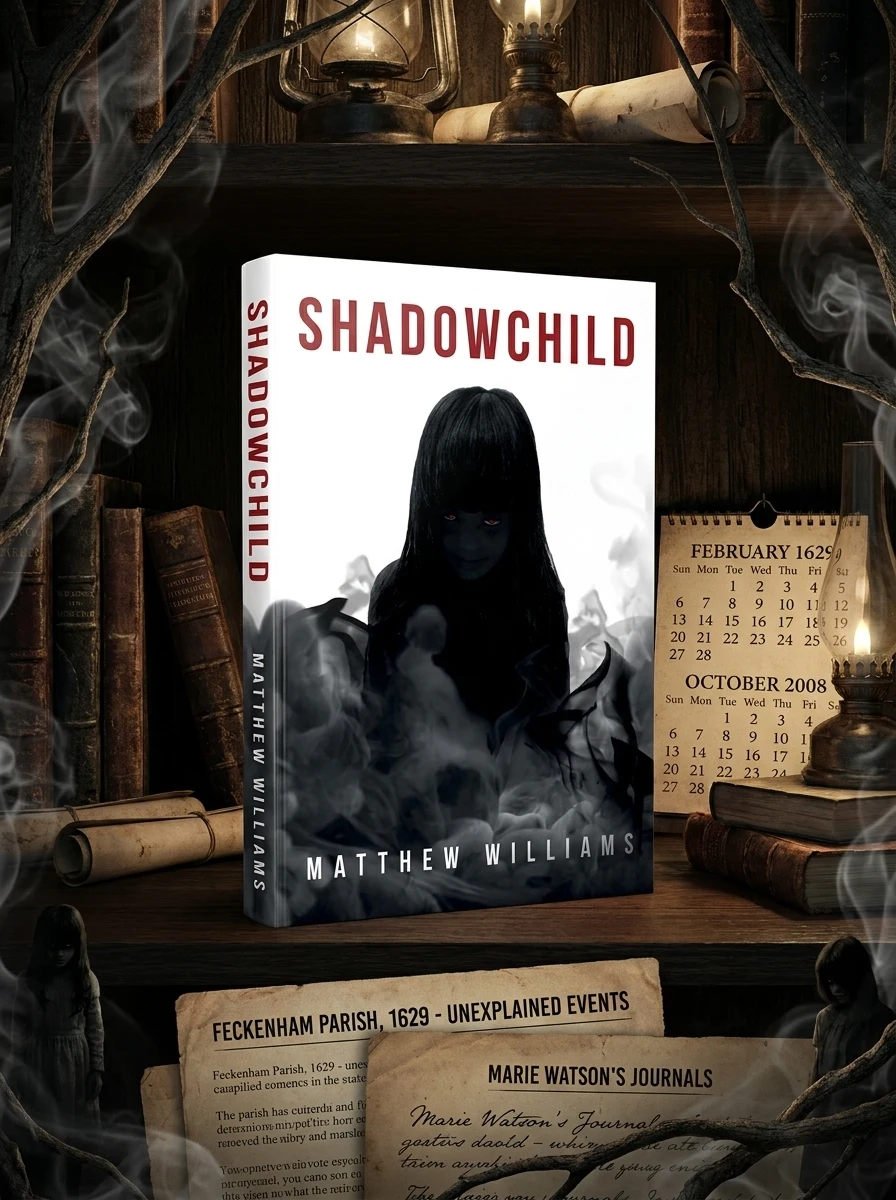
Shadowchild
A novel linking a 1629 Feckenham horror to a mother's 2008 nightmare.
The narrative focuses on Marie Watson’s isolation as her children exhibit strange behavior in 2008. Her family refuses to validate her fears, leaving her to confront the mystery alone. This personal struggle mirrors the unresolved terror from 1629 in Feckenham. The book examines how historical events can haunt subsequent generations. It does not offer easy resolutions but instead immerses the reader in Marie’s growing desperation. The connection between the two eras suggests that some horrors refuse to stay buried. Readers interested in character-driven suspense will appreciate the focus on familial breakdown.
The story juxtaposes the 1629 parish of Feckenham with the year 2008. It draws on English gothic traditions to explore how past traumas influence modern family dynamics. The setting relies on specific local history to ground the supernatural elements in a tangible reality.


📝 Description: Shadowchild
💎 Our verdict on Shadowchild
📖 Why choose it
Why this book is worth reading
Readers who appreciate character-driven suspense and atmospheric storytelling will find this book compelling. It is ideal for those interested in how familial breakdown mirrors broader existential fears, offering a deep dive into the psychology of isolation. Those drawn to narratives where historical events haunt the present will value the slow-burn tension and lack of easy resolutions. The focus on parental helplessness and unspoken history provides a unique perspective on inherited trauma. It suits audiences who prefer ambiguity over clear answers and enjoy exploring the lingering impact of past horrors on modern life.
⭐ Reader reviews
Reader rating
Williams effectively bridges centuries of fear, using Feckenham’s 1629 terror to inform Marie Watson’s 2008 nightmare. The narrative excels in building atmosphere through Marie’s isolation and her family’s refusal to validate her fears. This approach creates a potent sense of dread, emphasizing inherited trauma over jump scares. The structure, alternating between historical context and present-day psychological strain, underscores the theme that some horrors refuse to stay buried. It suits readers who enjoy slow-burn suspense rooted in specific contexts rather than fast-paced action. Those seeking scientific explanations may find the ambiguity frustrating, but fans of gothic tradition will appreciate the immersive focus on familial breakdown and the weight of unspoken history.
📖 Read on the blog
✍️ More books by this author Matthew Williams
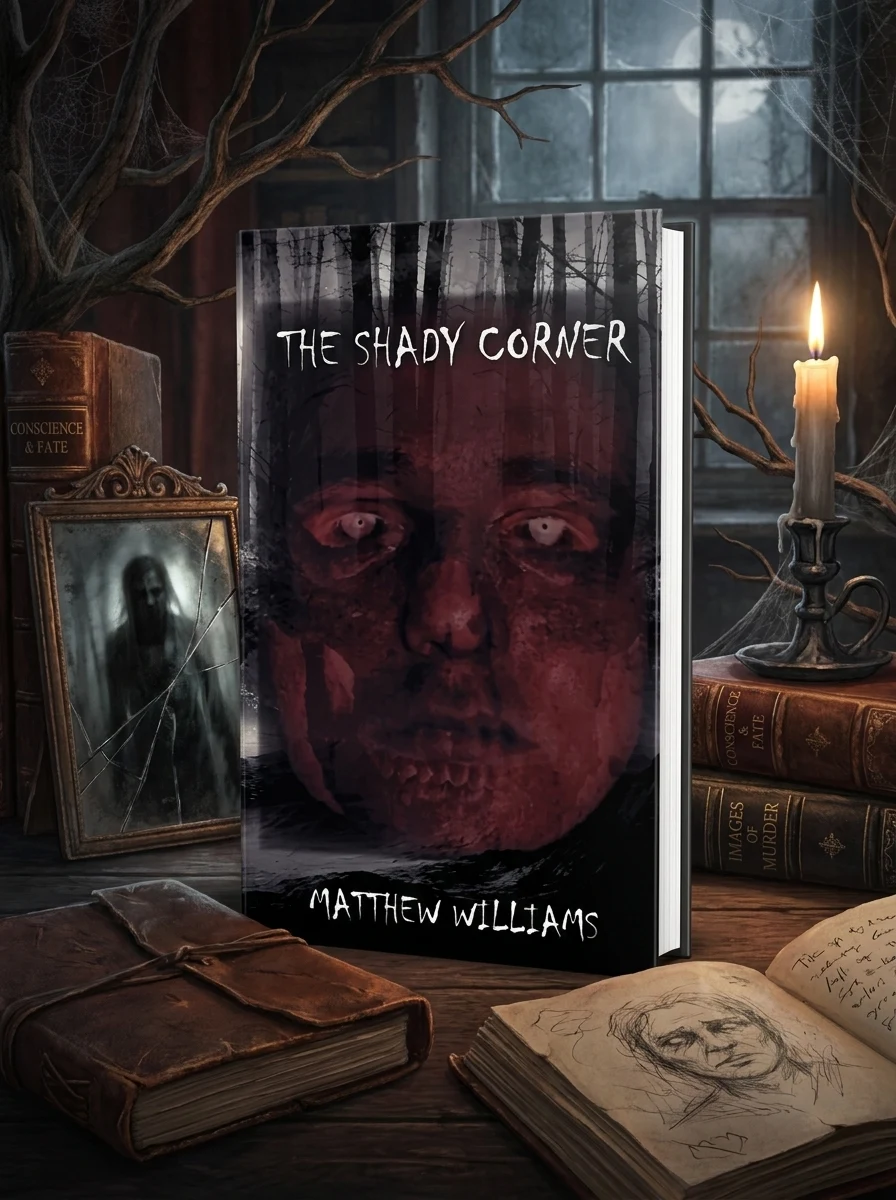


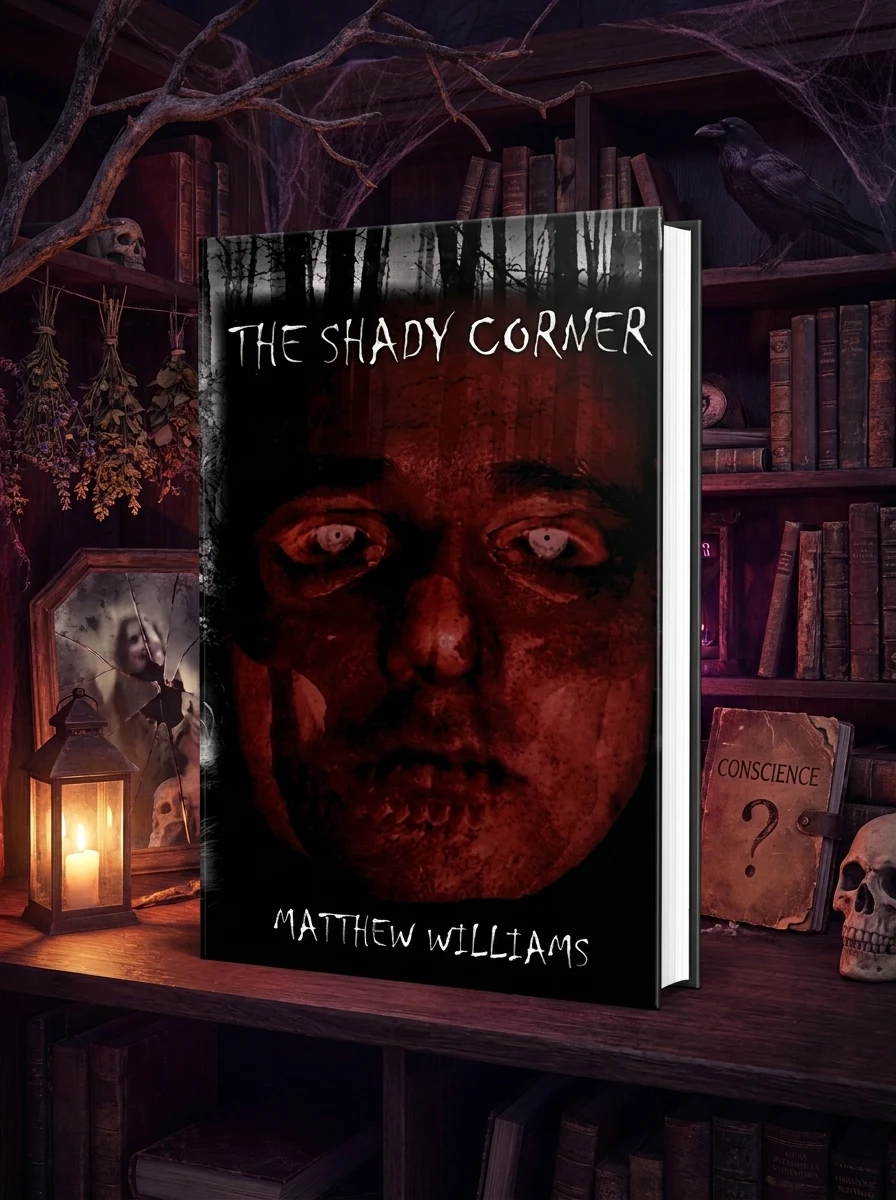
🏛 Books from this publisher Authorhouse
You might also like
See more →


Have a question about this item?
Ask about the edition, condition, delivery or anything else — we reply by email or phone, usually within a day.
