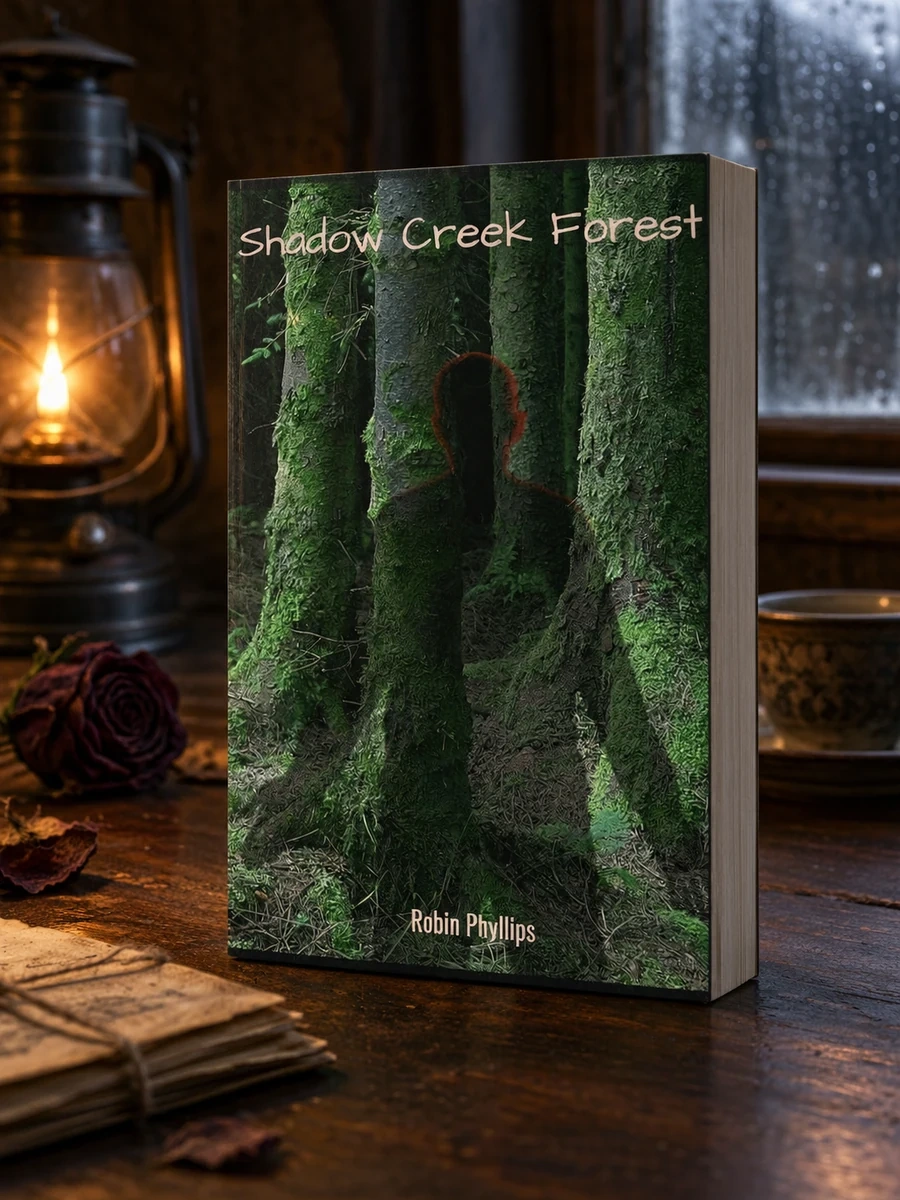
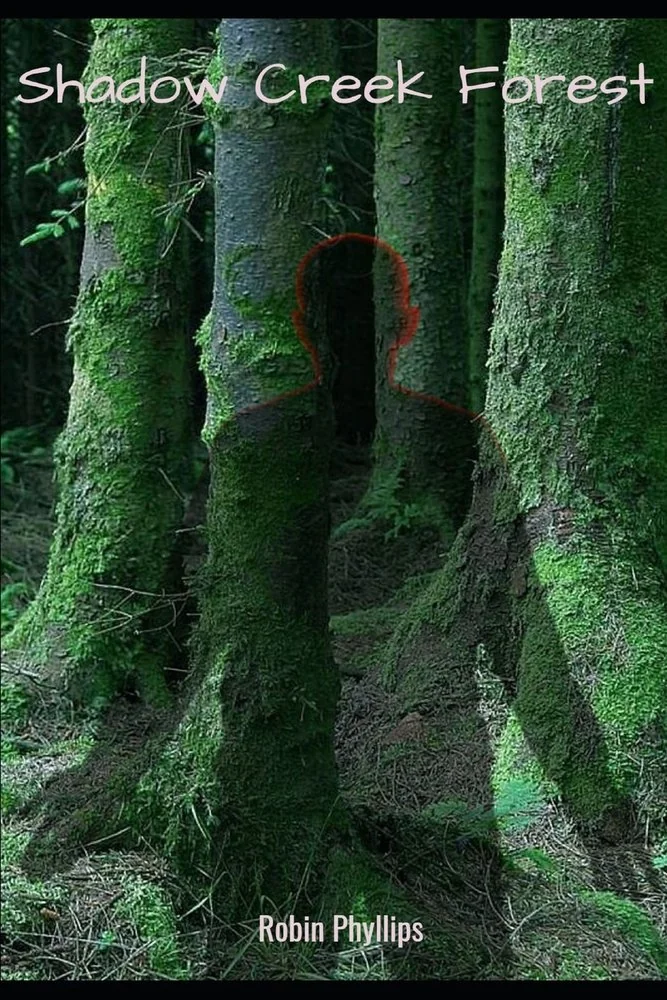
Shadow Creek Forest
A widow’s new home sits on sacred land that fights back against its occupants.
The story follows Kate, Max, Liam, and Lizzy as they navigate life in a Virginia forest. Max steps up to protect his siblings after their father’s death. His connection with Lee develops amidst growing unease. The house stands near a mountain but is surrounded by woods that hold deep cultural significance. The narrative does not shy away from the cost of ignoring local history. Characters must deal with both personal loss and external supernatural pressure. The plot moves toward a confrontation where the boundary between nature and evil blurs. The ending questions whether any escape is possible once the land has claimed its due.
The narrative is set in Virginia, focusing on a property cut from sacred tribal land. It draws on themes of indigenous history and the consequences of encroaching on such territory. The story reflects tensions between modern relocation and ancient spiritual claims within the United States.


📝 Description: Shadow Creek Forest
💎 Our verdict on Shadow Creek Forest
📖 Why choose it
Why this book is worth reading
Readers who appreciate the slow-burn dread of domestic drama colliding with supernatural threat will find this narrative compelling. It appeals to those interested in complex family dynamics, specifically the burden placed on a young patriarch navigating grief and duty. The book offers a thoughtful exploration of cultural erasure and the tangible cost of ignoring local history. Fans of psychological horror who enjoy stories where the environment itself becomes an antagonist will gain satisfaction from the escalating tension between modern skepticism and ancient territorial claims.
⭐ Reader reviews
Reader rating
Phyllips effectively constructs an atmosphere of rural isolation, where the forest serves as a silent, malevolent witness to human suffering. The narrative excels in blending personal grief with external supernatural pressure, creating a cohesive sense of unease that permeates every scene. The focus on family duty adds emotional weight to the horror, making the stakes feel deeply personal rather than abstract. While the pacing may not suit those seeking rapid action or urban settings, the book rewards patients with a nuanced look at how land remembers its past. It is best suited for readers who enjoy atmospheric folk horror and character-driven studies of loss.
📖 Read on the blog
🏛 Books from this publisher Independently Published








You might also like
See more →
Have a question about this item?
Ask about the edition, condition, delivery or anything else — we reply by email or phone, usually within a day.
