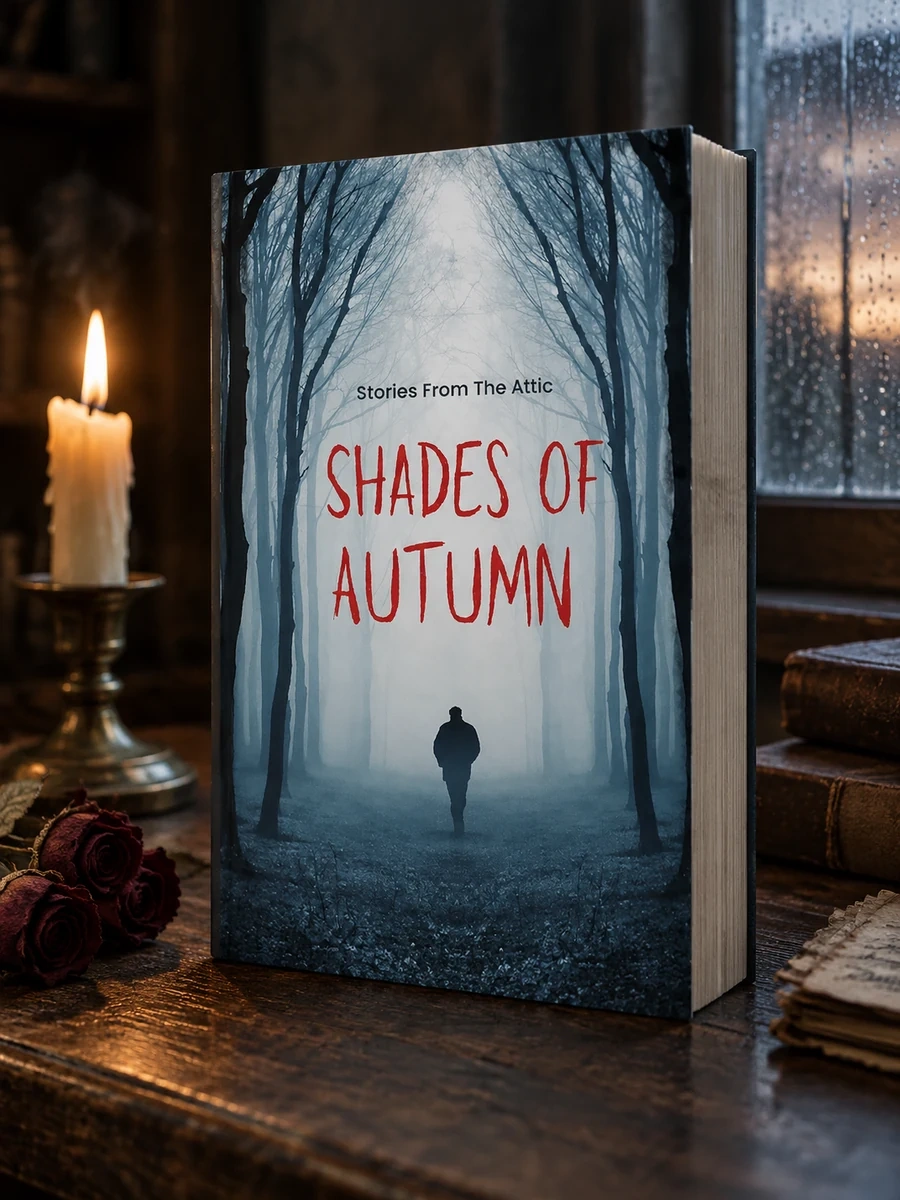
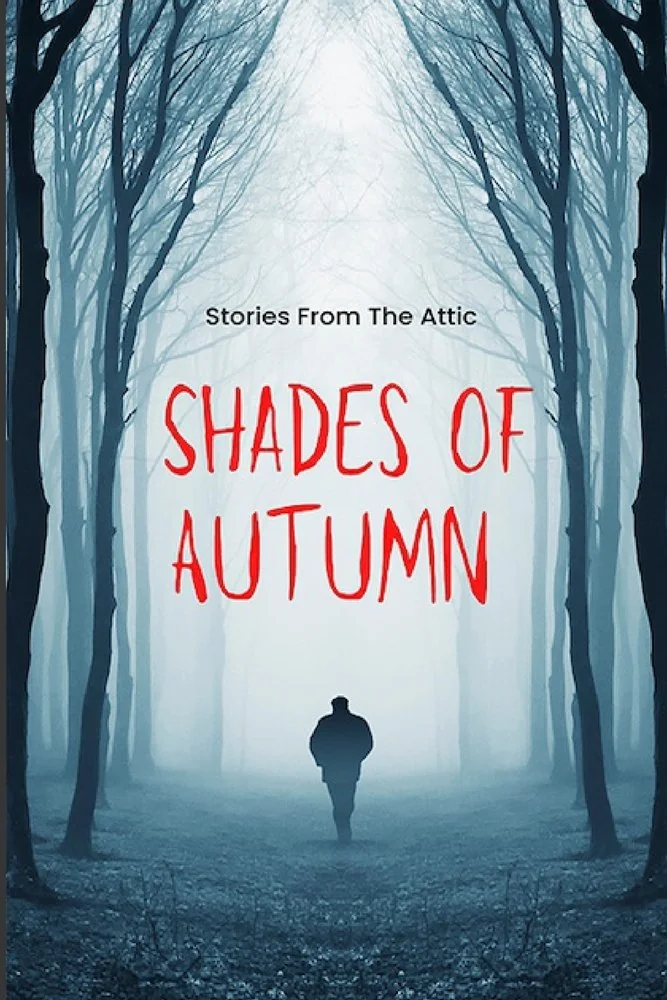
Shades Of Autumn: A Short Horror Story
A short horror story about an artist turning green due to autumn's cruel nature.
The narrative follows Julian, a painter whose health declines as fall arrives. His companions misinterpret his symptoms as stress or chemical exposure. They gradually understand that the season itself is causing his deterioration. The story examines how isolation and physical change can lead to horror. It avoids traditional monster tropes in favor of environmental dread. The pacing builds tension through Julian’s declining state and his friends’ helplessness. This approach creates a claustrophobic atmosphere typical of gothic fiction. The author uses minimal dialogue to highlight the protagonist’s suffering. Readers interested in subtle psychological terror will find this tale compelling. Those preferring action-driven plots might find it too slow. The focus remains tightly on Julian’s experience without branching into subplots.
This 2023 release sits within the contemporary independent horror market. It appeals to fans of gothic fiction and supernatural tales. The story reflects modern anxieties about nature and bodily autonomy. It aligns with trends in short-form horror that emphasize atmosphere over spectacle.


📝 Description: Shades Of Autumn: A Short Horror Story
💎 Our verdict on Shades Of Autumn: A Short Horror Story
📖 Why choose it
Why this book is worth reading
Readers who appreciate subtle psychological terror and claustrophobic atmospheres will find this tale compelling. It suits those interested in body horror elements where the protagonist’s physical transformation drives the narrative tension. The story is ideal for fans of gothic fiction who enjoy exploring human vulnerability against indifferent natural forces. Those seeking action-driven plots or complex subplots may find it too slow, but enthusiasts of environmental dread and isolation will appreciate its focused lens on suffering and inevitability without branching into unnecessary backstories.
⭐ Reader reviews
Reader rating
The narrative succeeds by maintaining a tight focus on Julian’s deteriorating state, creating a sense of inevitable dread through his physical transformation. By avoiding explicit gore and relying on atmospheric tension, the author effectively conveys horror through environmental cues rather than jump scares. The minimal dialogue highlights the protagonist's isolation and the helplessness of his social circle. This approach creates a claustrophobic mood typical of classic gothic fiction. While it may not satisfy readers seeking extensive character development or complex plot structures, it offers a potent study of desperation against nature’s cruel indifference.
📖 Read on the blog
✍️ More books by this author Stories From The Attic


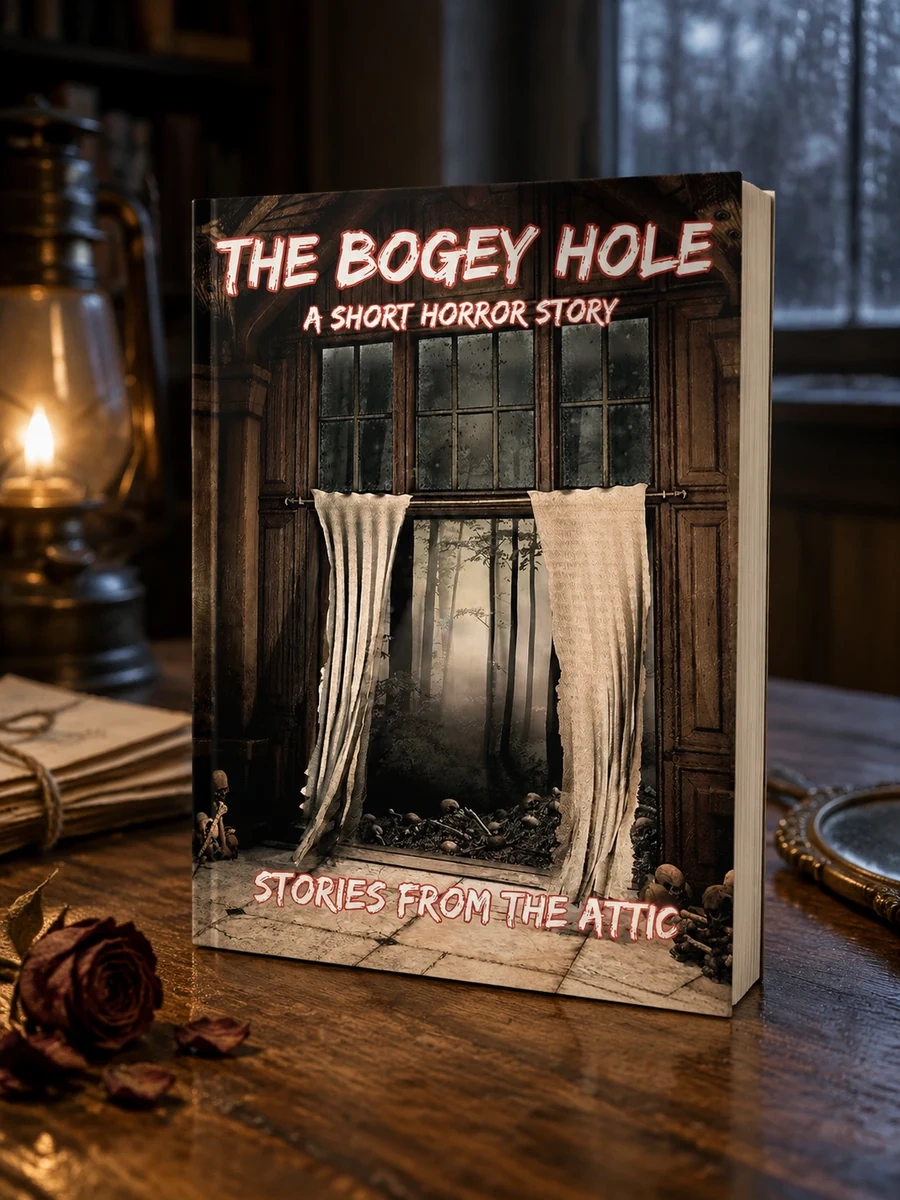
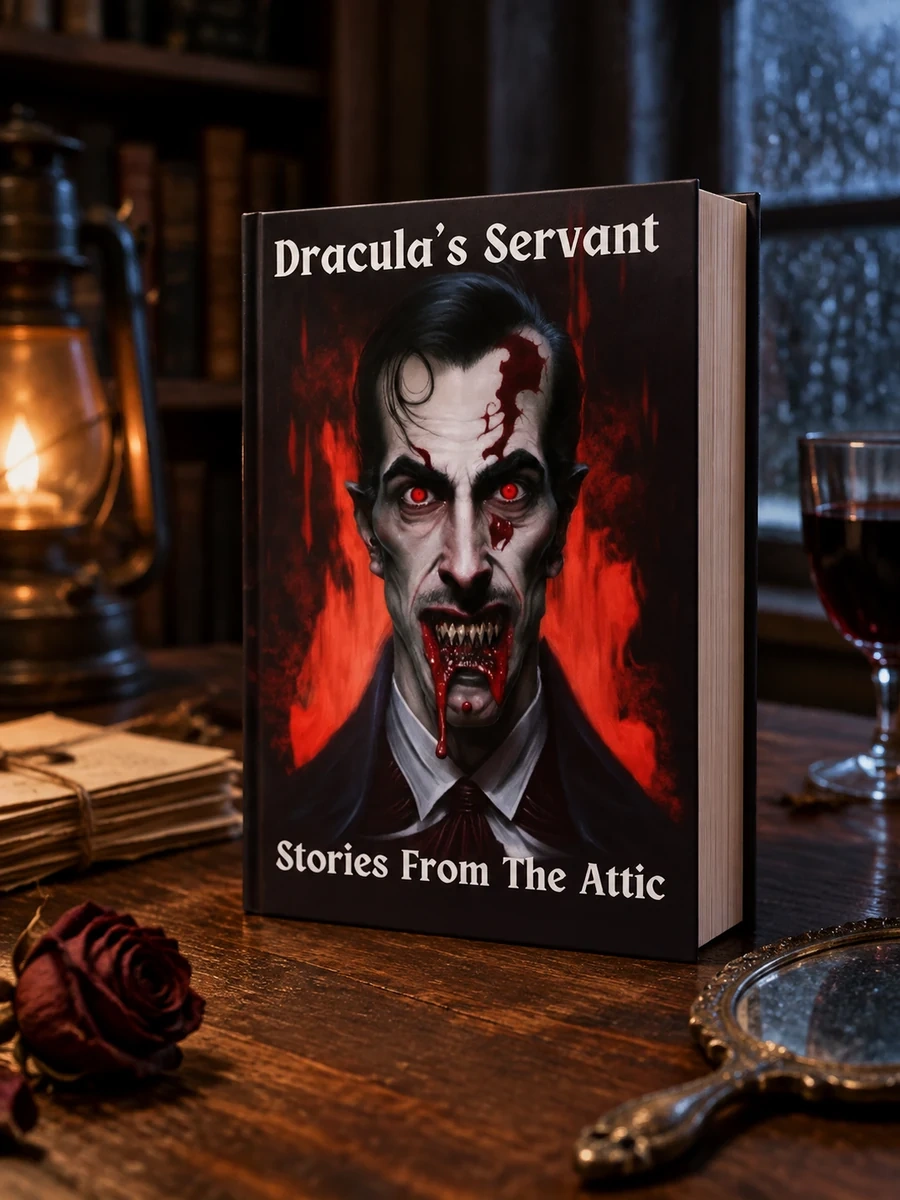
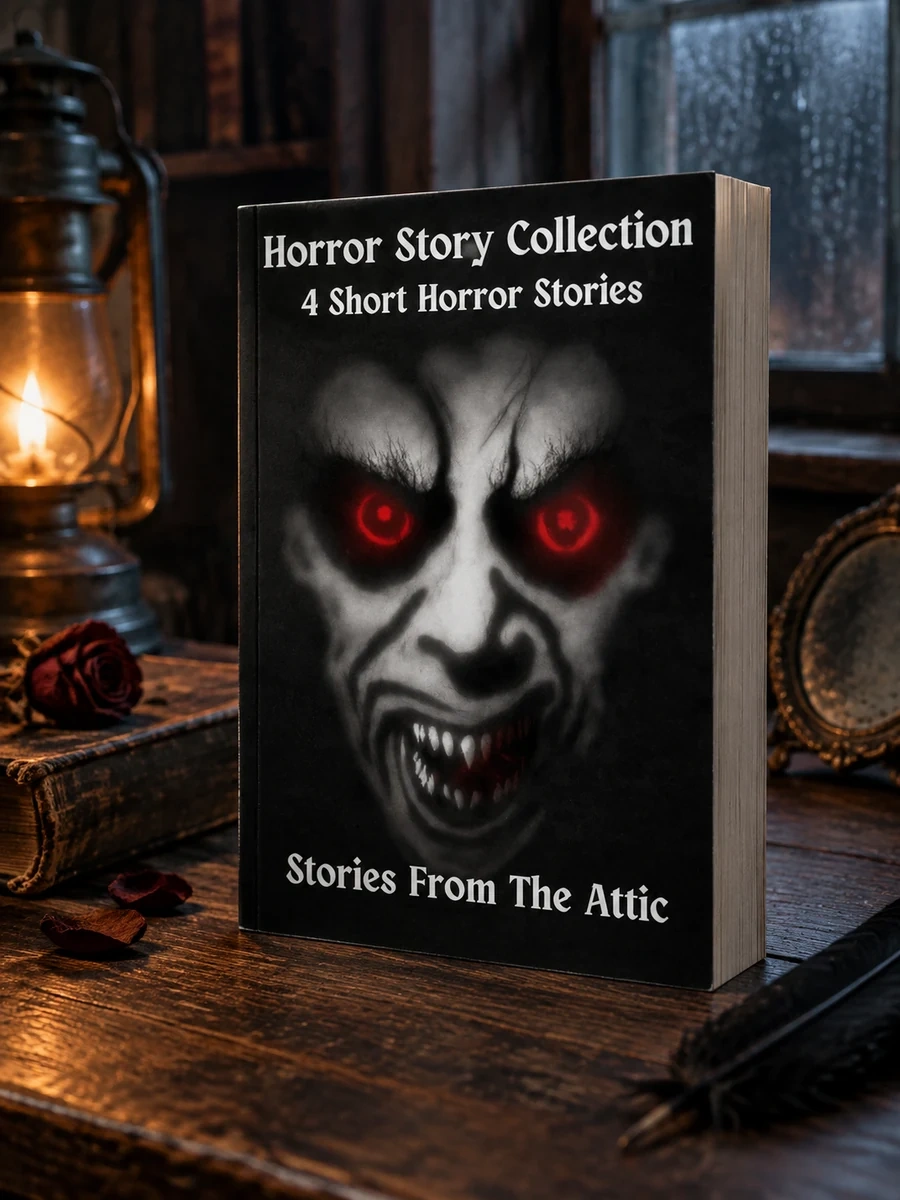
🏛 Books from this publisher Independently Published






You might also like
See more →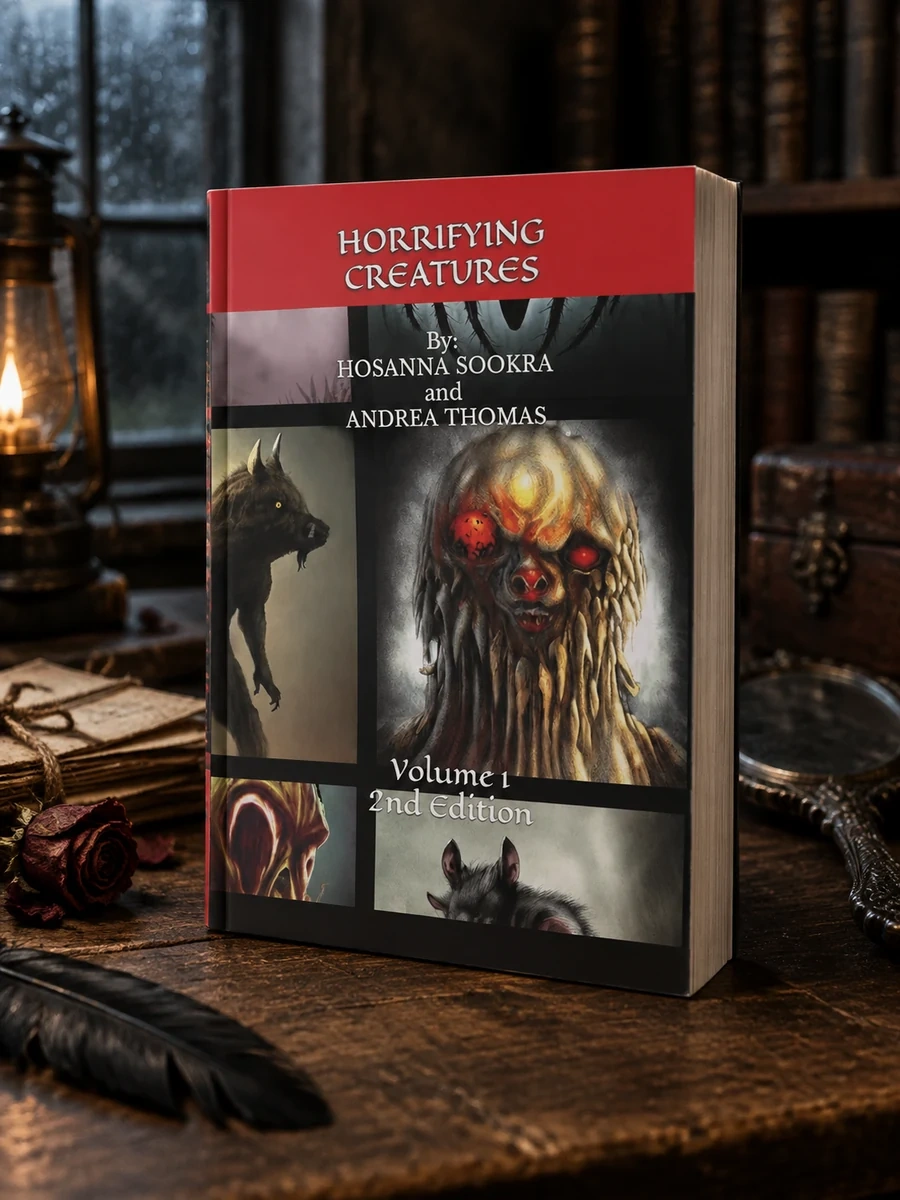

Have a question about this item?
Ask about the edition, condition, delivery or anything else — we reply by email or phone, usually within a day.
