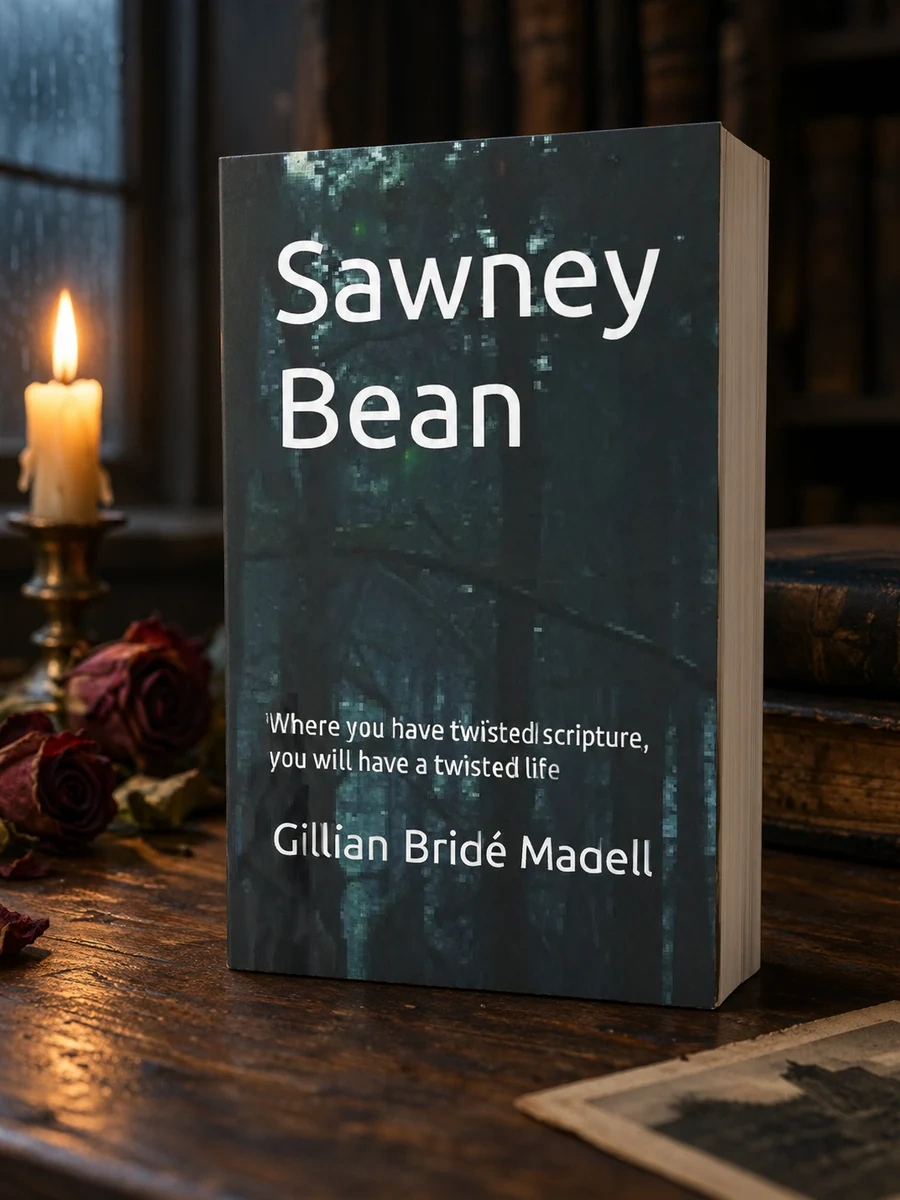
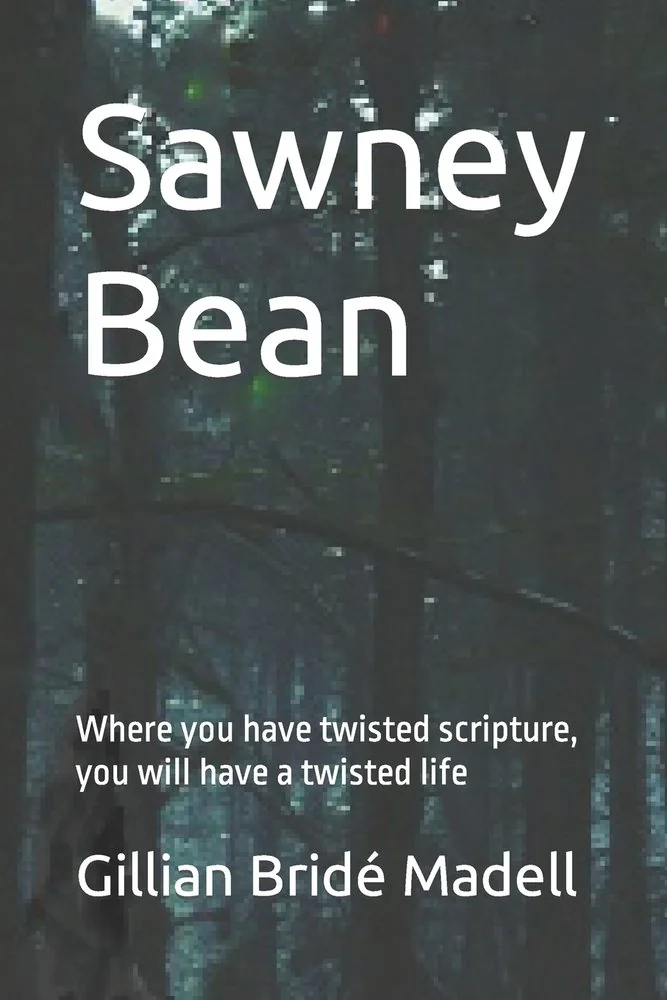
Sawney Bean: Where you have twisted scripture, you will have a twisted life
A look at Sawney Bean's moral conflict in sixteenth-century myth.
The author challenges the standard view of Sawney Bean by focusing on his psychological landscape. Instead of treating him solely as a monster, the text explores his internal struggle to reconcile his violent instincts with a desire for righteousness. This perspective shifts the focus from external horror to internal contradiction, offering a unique angle on a well-known legend.
The text engages with sixteenth-century folklore and the historical tensions between England and Scotland. It addresses the specific cultural context of how English narratives may have constructed myths to mock Scottish identity, grounding the horror in real historical prejudice.


📝 Description: Sawney Bean: Where you have twisted scripture, you will have a twisted life
💎 Our verdict on Sawney Bean: Where you have twisted scripture, you will have a twisted life
📖 Why choose it
Why this book is worth reading
Readers interested in the intersection of historical mythology and psychological analysis will find this text engaging. It offers a unique perspective by challenging standard views of Sawney Bean, focusing instead on his internal struggle to reconcile violent instincts with a desire for righteousness. This approach shifts the focus from external horror to internal contradiction, providing a specific look at moral ambiguity. Those seeking verified genealogical records or broad political commentary on Scottish-English relations may find the scope too narrow, as the work remains dedicated to the central character's internal conflict rather than extensive archival data.
⭐ Reader reviews
Reader rating
Madell presents a compelling examination of the Sawney Bean legend, moving beyond typical monster tropes to explore the protagonist's psychological landscape. The narrative effectively questions whether the story is an English fabrication or grim reality, using mythological tradition as its primary source. By investigating the tension between heinous actions and internal beliefs, the book offers a nuanced view of moral ambiguity in early modern history. It suits readers who appreciate deep dives into the minds of infamous figures and historical mythology, though those expecting academic rigor on political relations might find it lacking. The focus on internal contradiction provides a refreshing, albeit narrow, angle on a well-known tale.
📖 Read on the blog
🏛 Books from this publisher Independently Published








You might also like
See more →

Have a question about this item?
Ask about the edition, condition, delivery or anything else — we reply by email or phone, usually within a day.
