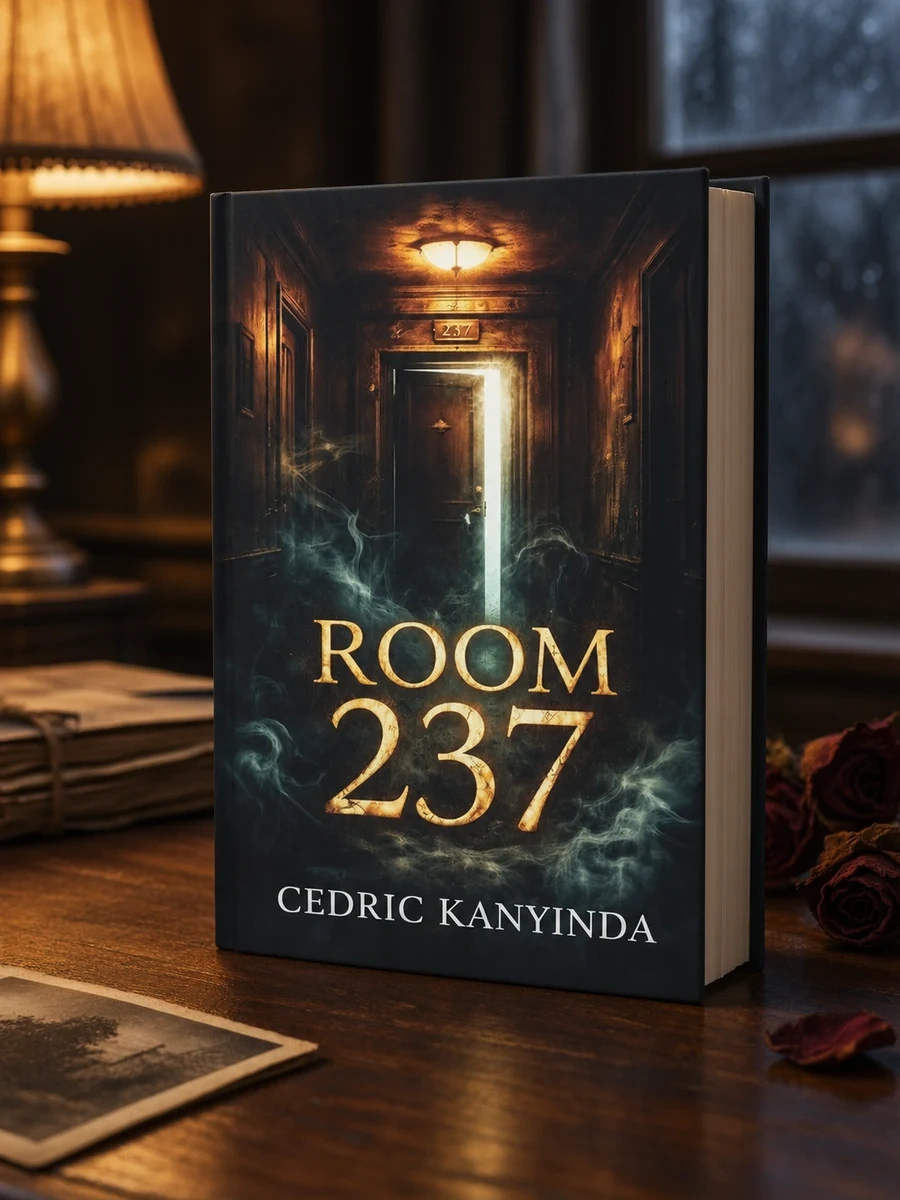
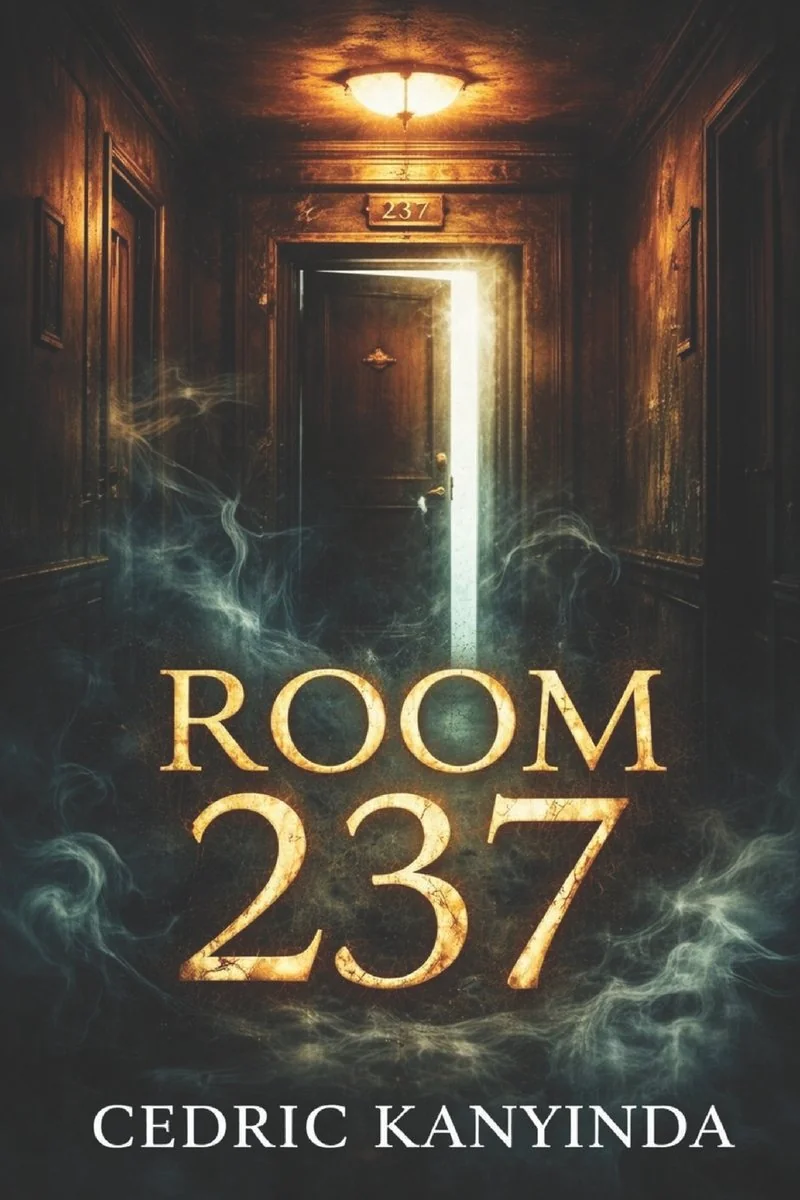
Room 237: A Supernatural Horror Novel
A haunted hotel hides a non-existent room that traps guests in its history.
The novel examines how a building retains the memories of those who have died within it. Kanyinda uses the concept of a missing room to explore themes of erasure and memory. The story does not follow a single hero but focuses on the collective experience of victims. The structure of the narrative mirrors the hotel's layout, moving through layers of history. Each chapter reveals another piece of the puzzle regarding the room's true nature. The author avoids traditional horror tropes in favor of atmospheric dread. The setting itself becomes the primary antagonist, influencing every character who enters. This approach creates a sense of inevitability and entrapment. The book appeals to fans of psychological horror who prefer subtlety over shock. It is a slow burn that rewards patience with a chilling conclusion.
This 2025 independent publication by Cedric Kanyinda fits within the tradition of American gothic fiction and supernatural horror. It draws on the long-standing literary trope of the haunted hotel, a setting that has fascinated readers for decades. The work engages with themes of memory and erasure common in modern horror.


📝 Description: Room 237: A Supernatural Horror Novel
💎 Our verdict on Room 237: A Supernatural Horror Novel
📖 Why choose it
Why this book is worth reading
Readers who prefer atmospheric dread and psychological tension over jump scares or gore will find this novel deeply rewarding. It suits those interested in the intersection of memory, erasure, and physical space within haunted settings. The book appeals to fans of slow-burn terror where the environment acts as the main antagonist. Those who enjoy exploring themes of legacy, unfinished business, and the weight of history through a gothic lens will appreciate its subtlety. It is ideal for individuals seeking a chilling conclusion that rewards patience with creeping unease rather than immediate shock.
⭐ Reader reviews
Reader rating
Kanyinda successfully crafts a haunting narrative where the hotel's decay and silence generate profound psychological tension. By avoiding traditional horror tropes, the author focuses on the collective experience of victims, creating a sense of inevitability and entrapment. The structure mirrors the building’s layout, revealing layers of history through unexplained disappearances and self-erasing records. This approach offers a unique take on the haunted house subgenre, prioritizing the mystery of the structure itself over external monsters. While fast-paced readers may find the subtlety frustrating, fans of gothic fiction will value the focus on legacy and the chilling atmosphere built through physical details rather than gore.
📖 Read on the blog
🏛 Books from this publisher Independently Published








You might also like
See more →



Have a question about this item?
Ask about the edition, condition, delivery or anything else — we reply by email or phone, usually within a day.
