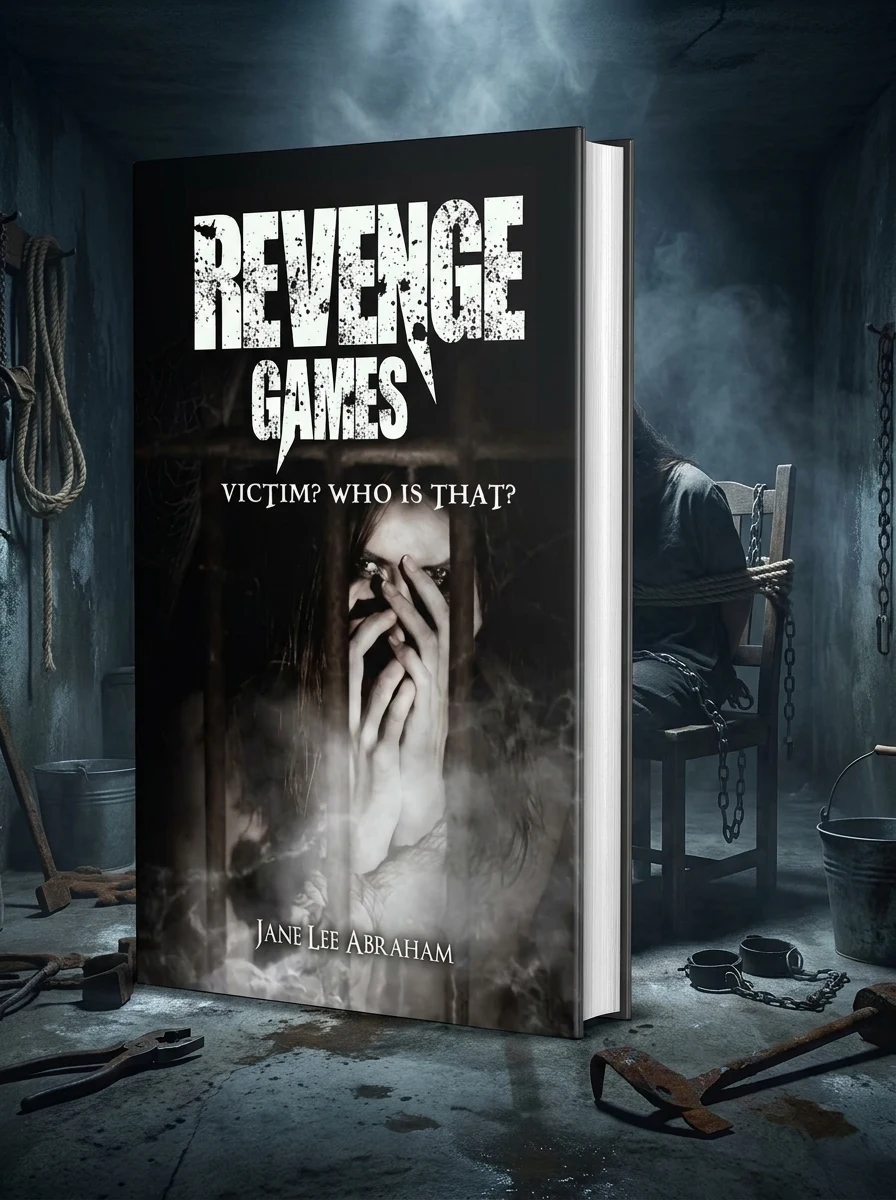
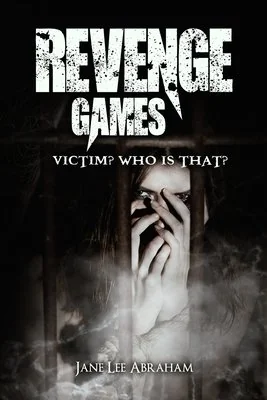
Revenge Games: Victim?: Who is that?
A woman forced to torture her kidnapper to escape a second captivity.
This work examines the cyclical nature of violence through Sarah's experience. After surviving an initial two-month abduction, she faces a second kidnapping that traps her in her past trauma. The central conflict arises when she is compelled to act as the torturer rather than the victim. Abraham uses this scenario to question the limits of justice and the psychological toll of forced complicity. The presence of other participants adds layers of social pressure and fear. The narrative does not offer easy answers about morality but instead immerses the reader in the immediate terror of the situation.
Published independently in 2019, this title fits within the modern tradition of psychological horror fiction. It draws on the trope of the captive protagonist and the genre's exploration of personal vengeance. The work reflects contemporary interests in trauma narratives and moral ambiguity.


📝 Description: Revenge Games: Victim?: Who is that?
💎 Our verdict on Revenge Games: Victim?: Who is that?
📖 Why choose it
Why this book is worth reading
Readers who enjoy intense psychological thrillers and dark horror will find this premise compelling. The book offers a deep dive into the immediate aftermath of trauma, examining the complex shift from victim to perpetrator. It appeals to those interested in moral ambiguity rather than clear-cut justice. The narrative immerses the audience in confined settings and shifting power dynamics, providing an oppressive atmosphere for fans of dark fiction. Those seeking lighthearted entertainment or easy resolutions will likely find the tone too heavy. However, individuals wanting to explore the limits of justice through a lens of terror and coercion will appreciate the detailed examination of Sarah’s forced complicity.
⭐ Reader reviews
Reader rating
Abraham effectively constructs a tense narrative centered on Sarah’s traumatic recurrence, forcing her into the role of torturer. The strength lies in the exploration of moral ambiguity and the psychological weight of retribution. By introducing other participants, the author adds layers of social pressure that elevate the story beyond simple revenge fantasy. The confined setting enhances the immediate terror, making the power dynamics palpable. This book is best suited for readers who appreciate dark psychological fiction and complex character studies over plot-driven action. It avoids offering easy answers, instead immersing the reader in a morally gray landscape. While the atmosphere may be too oppressive for some, it provides a rigorous examination of trauma's lingering effects on identity and morality.
📖 Read on the blog
🏛 Books from this publisher Independently Published








You might also like
See more →



Have a question about this item?
Ask about the edition, condition, delivery or anything else — we reply by email or phone, usually within a day.
