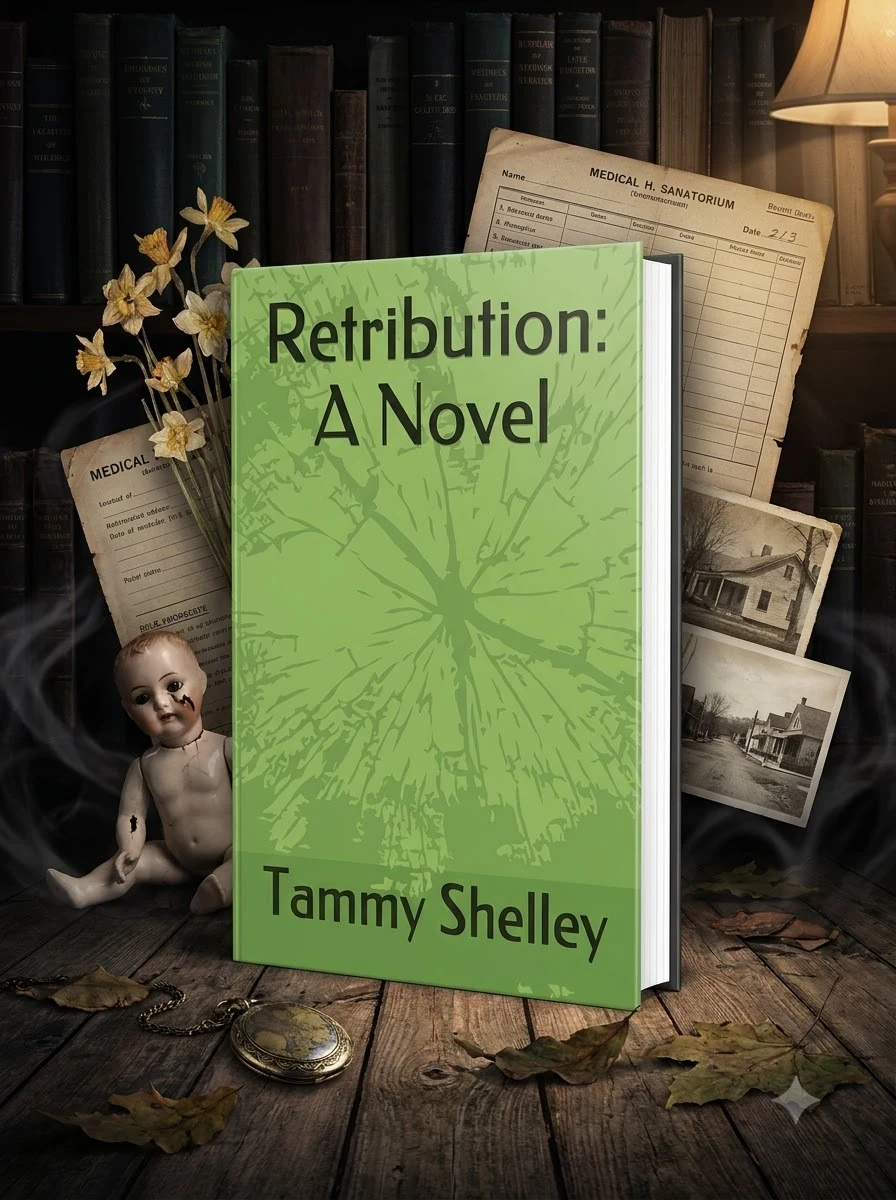
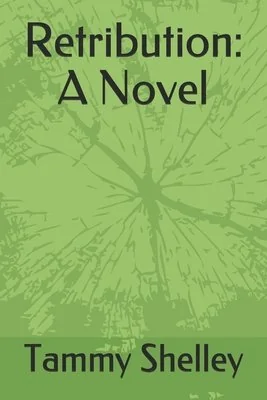
Retribution
A mother’s accusation triggers a generational curse in a southern town.
Shelley focuses on the psychological weight of inherited trauma. The narrative does not rely on jump scares but on the slow decay of a community’s moral fabric. Annabelle’s imprisonment serves as the catalyst for decades of fear. Her daughter’s return reopens old wounds and restarts the pattern of blame. The story questions whether justice can ever be truly served when the original crime is shrouded in mystery. It appeals to readers who enjoy atmospheric dread over gore. The text avoids explicit violence, focusing instead on the emotional aftermath. This approach distinguishes it from typical slasher narratives.
The story is set in a small southern town, drawing on American gothic traditions. It examines the long-term social impact of public accusations and institutional confinement. The narrative reflects on how isolated communities process collective shame and fear over extended periods.


📝 Description: Retribution
💎 Our verdict on Retribution
📖 Why choose it
Why this book is worth reading
Readers who prefer atmospheric horror over visceral gore will find this book deeply rewarding. It appeals to those fascinated by the psychological weight of inherited trauma and the slow decay of moral fabrics in isolated communities. Fans of stories where a single event echoes through decades, haunting future generations, will appreciate the nuanced exploration of guilt and consequence. This text offers a compelling alternative to typical slasher narratives, focusing on emotional aftermath rather than explicit violence. It is ideal for those who enjoy lingering ambiguity and slow-burn tension that questions the very nature of justice.
⭐ Reader reviews
Reader rating
Shelley excels at constructing a chilling atmosphere where the past actively haunts the present. By avoiding jump scares and focusing on psychological decay, the narrative achieves a profound sense of dread. The exploration of how blame perpetuates across generations is handled with subtle precision, making the town itself feel like a character in decline. This approach distinguishes the work from standard horror tropes, offering a more intellectual engagement. While the lack of clear resolution may frustrate some, it perfectly serves the theme of inescapable cycles. The book is best suited for readers who value mood and thematic depth over action, delivering a haunting meditation on family curses and the enduring power of accusation.
📖 Read on the blog
🏛 Books from this publisher Independently Published








You might also like
See more →


Have a question about this item?
Ask about the edition, condition, delivery or anything else — we reply by email or phone, usually within a day.
