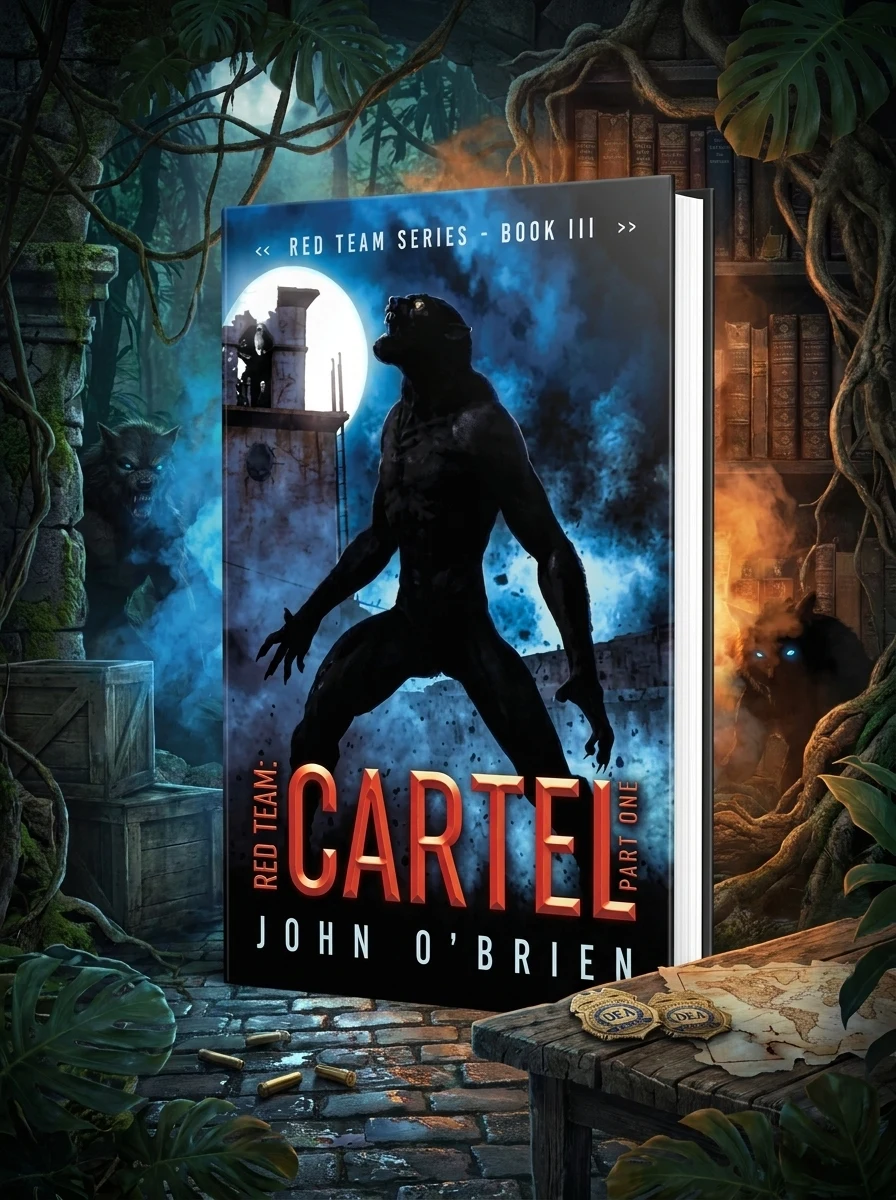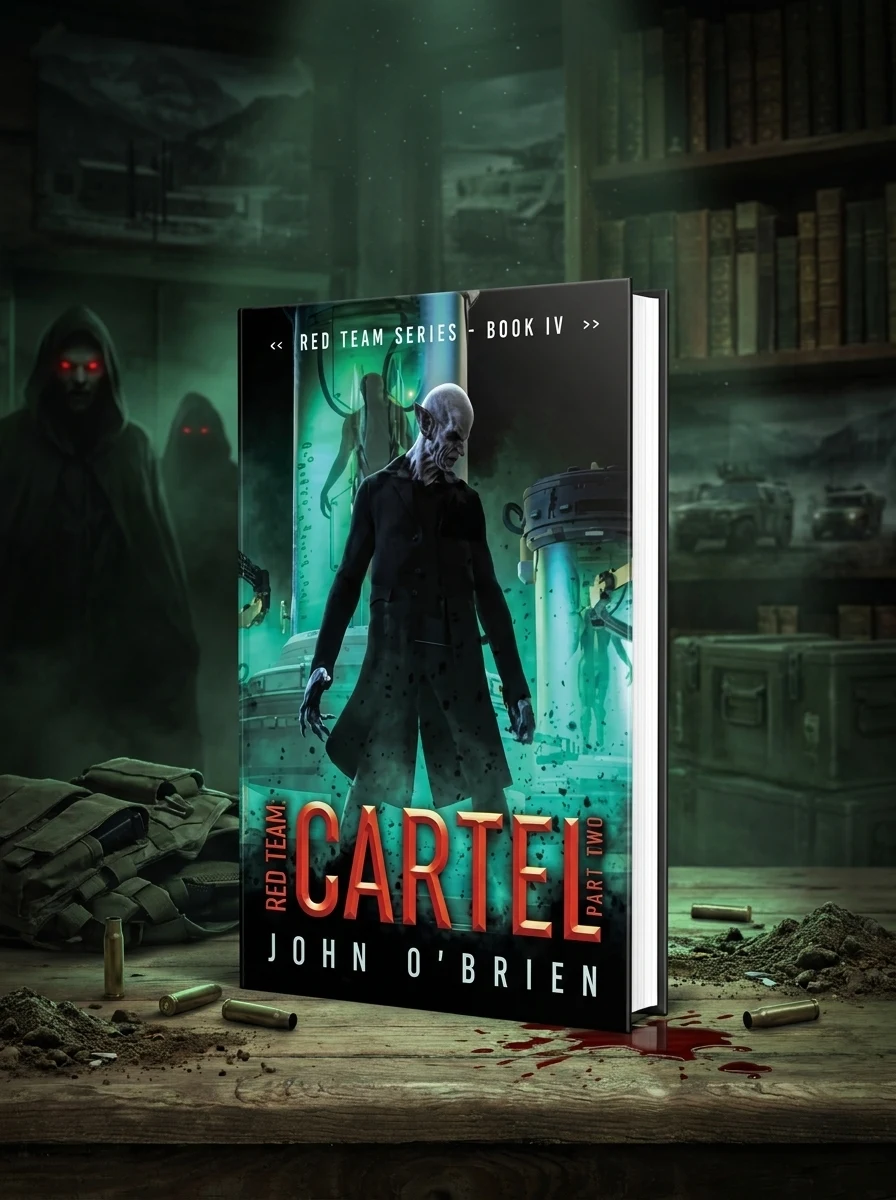
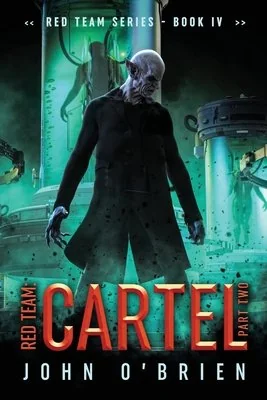
Red Team: Cartel Part Two
A tactical unit hunts cartel kidnappers while fighting ancient Strigoi monsters in the mountains.
This volume continues the saga of Red Team as they pursue justice for kidnapped DEA agents. O'Brien blends military strategy with horror tropes, specifically using Strigoi folklore to complicate the mission. The team faces unexpected resistance in mountainous terrain, leading to a critical injury of Jack. The narrative emphasizes the physical danger and the eerie nature of their opponents. It offers a gritty look at how supernatural threats disrupt conventional warfare plans.
Published in 2020 by Independently Published, this work sits within the contemporary self-published horror fiction market. It draws on Eastern European vampire myths known as Strigoi, blending them with modern American military tactics and cartel warfare settings.


📝 Description: Red Team: Cartel Part Two
💎 Our verdict on Red Team: Cartel Part Two
📖 Why choose it
Why this book is worth reading
Readers who enjoy action-driven plots involving special forces units will find this work suitable. The book offers a gritty look at how supernatural threats disrupt conventional warfare plans, appealing to those interested in the intersection of modern military operations and ancient folklore traditions. It is ideal for fans of tactical fiction who appreciate high-stakes incursions and immediate consequences. However, those seeking pure historical analysis or non-fiction accounts of cartel activities may not find the supernatural elements appealing. The narrative provides an intense experience focused on systematic dismantling of criminal organizations while introducing eerie resistance from entities outside normal human understanding.
⭐ Reader reviews
Reader rating
This volume successfully blends military strategy with horror tropes, specifically using Strigoi folklore to complicate the mission. O'Brien structures the narrative around high-stakes incursions and direct confrontations, maintaining tension through action rather than slow exposition. The text is organized to emphasize physical danger and the eerie nature of opponents, offering a visceral look at combat's toll. Jack’s critical injury serves as a compelling plot point, raising questions about extraction and survival. Readers seeking a gritty, fast-paced narrative that merges tactical realism with supernatural terror will appreciate this approach. It avoids historical analysis in favor of immediate, violent engagement.