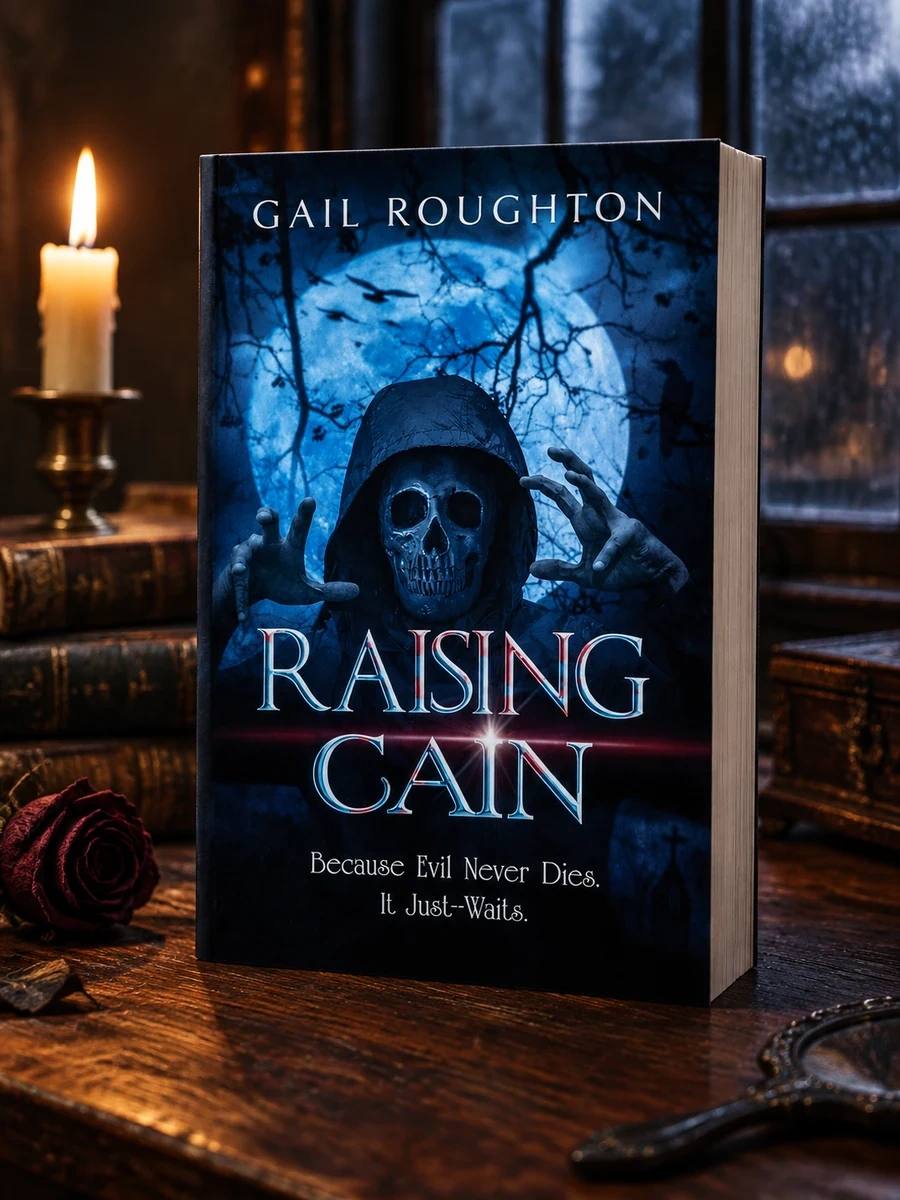
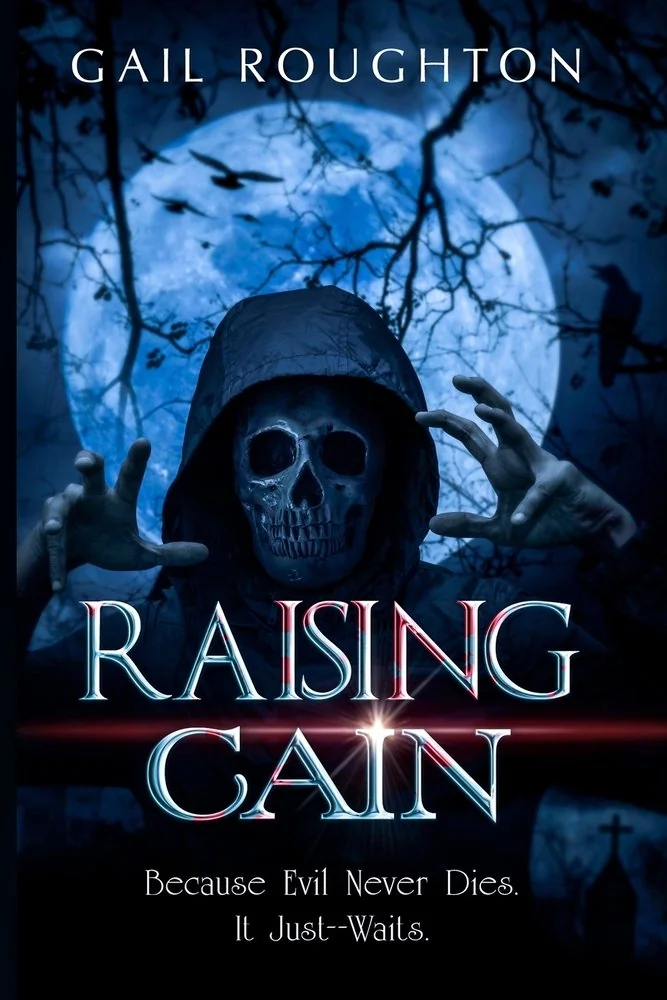
Raising Cain
A novel about Cain's resurrection and a haunted Macon house.
The narrative bridges the gap between 1888 and the present day. It contrasts the gritty reality of drug dealing in Stone Creek Swamp with the eerie renovation of a historic home in Macon. The character of Dr. Paul Devlin haunts the attorneys, revealing that his condition is neither fully alive nor dead. This duality mirrors the central conflict involving Cain. The story does not rely on jump scares but on the slow realization that the past actively influences the present. The connection between the swamp and the house creates a cohesive atmosphere of dread.
The text references Haitian Vodou traditions through the figure of a Bokor. It is set in Stone Creek Swamp and Macon, Georgia. The conflict originates in 1888 and continues into the modern era, linking historical black magic with contemporary settings.


📝 Description: Raising Cain
💎 Our verdict on Raising Cain
📖 Why choose it
Why this book is worth reading
Readers who appreciate slow-burn atmospheric horror and gothic architecture will find this novel compelling. The book appeals to those interested in the intersection of legal drama and supernatural stakes, offering a unique perspective on how past atrocities influence present consequences. Fans of dark fantasy and true crime aesthetics may enjoy the gritty reality of the swamp setting contrasted with the eerie renovation of a historic home. It is ideal for audiences who prefer dread over jump scares and wish to explore themes of evil that refuses to vanish. The narrative’s focus on the duality of existence and the haunting presence of figures like Dr. Paul Devlin provides a cohesive experience for those seeking depth in horror fiction.
⭐ Reader reviews
Reader rating
Gail Roughton crafts a supernatural thriller that effectively intertwines two distinct timelines, creating a cohesive atmosphere of dread. By contrasting the gritty reality of drug dealing with the eerie renovation of a historic Macon home, the author highlights how the past actively influences the present. The narrative avoids cheap jump scares, relying instead on the slow realization of an ancient conflict reignited by resurrection. This approach suits readers who enjoy gothic horror with historical elements and Vodou traditions. It may not appeal to those seeking lighthearted supernatural fiction or pure legal dramas without paranormal stakes. The book succeeds in connecting past atrocities with present consequences through black magic and haunted architecture.
You might also like
See more →






Have a question about this item?
Ask about the edition, condition, delivery or anything else — we reply by email or phone, usually within a day.
