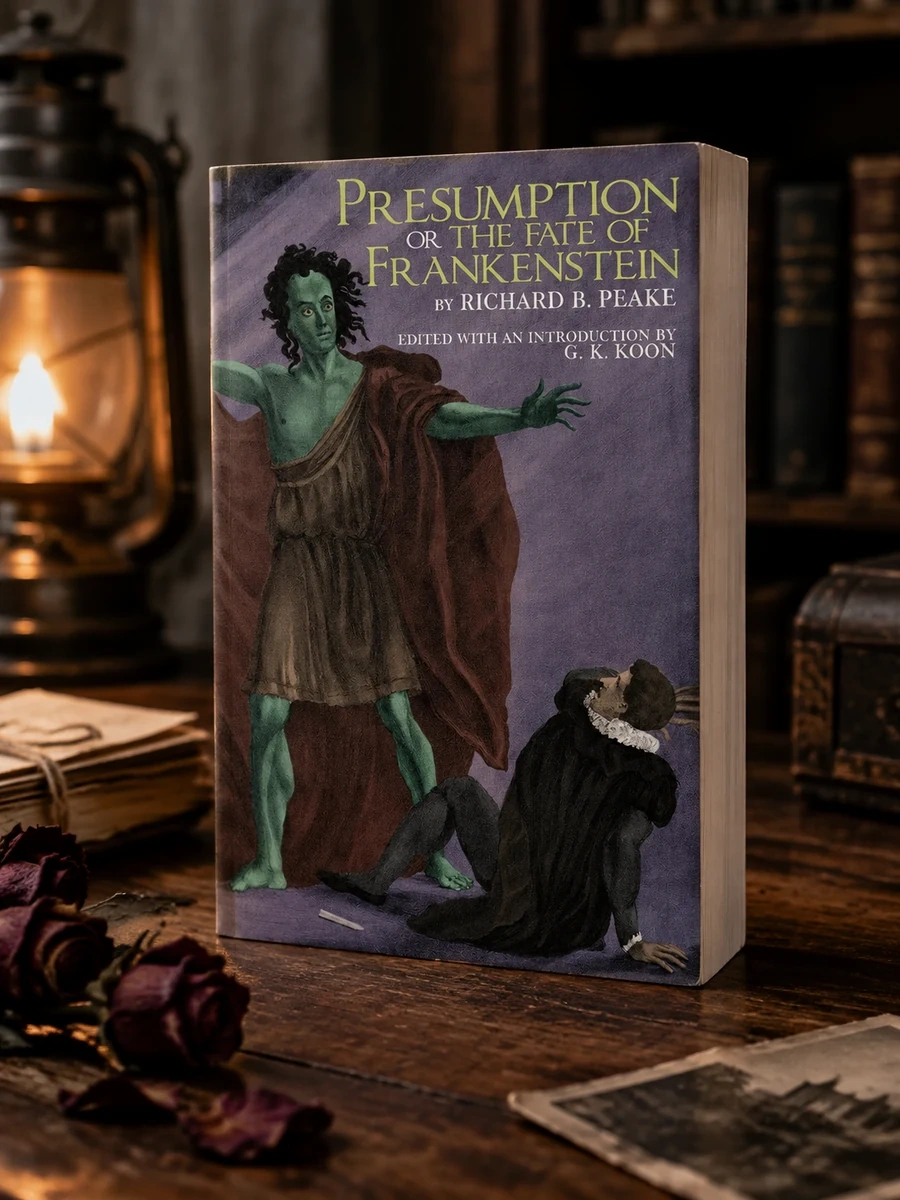
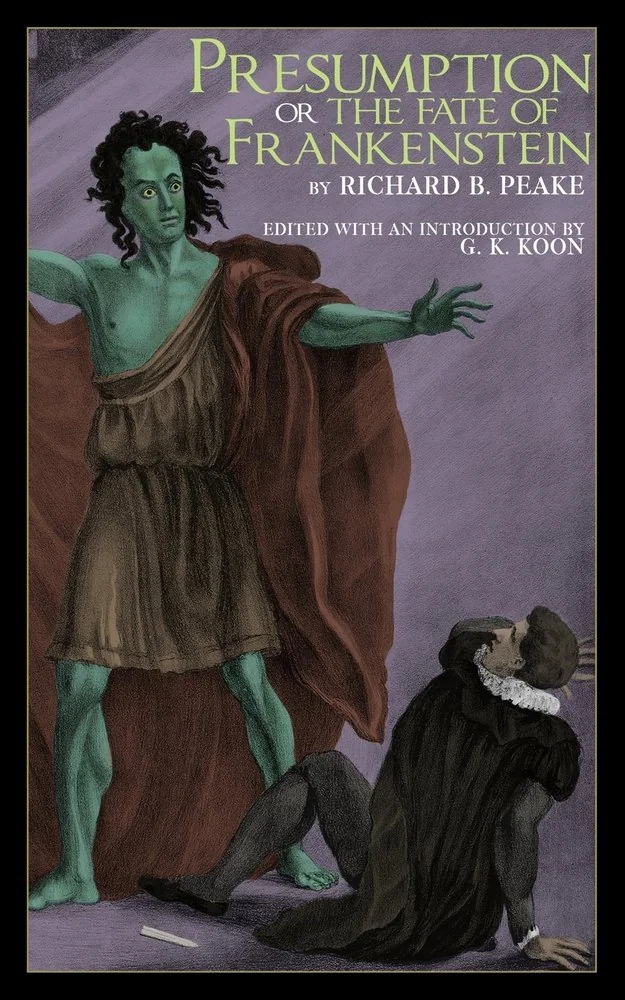
Presumption; or, the Fate of Frankenstein
An edited edition of Richard B. Peake's 1823 play by Gregory K. Koon.
This volume examines the theatrical origins of a famous literary figure. Gregory K. Koon edits the text to show how stage performance altered the original narrative. The work highlights specific additions made in 1823 that became standard in later versions. It connects early Victorian theater with contemporary horror culture. The edition provides necessary context for understanding why certain plot points are now considered essential to the mythos.
Richard B. Peake's work premiered on stage in 1823. It represents a key moment in the evolution of Shelley's story. The play introduced elements that define the modern understanding of the creature. This edition preserves that historical theatrical milestone for contemporary readers.


📝 Description: Presumption; or, the Fate of Frankenstein
💎 Our verdict on Presumption; or, the Fate of Frankenstein
📖 Why choose it
Why this book is worth reading
This book serves as a critical document for scholars and dedicated fans interested in the genealogy of horror tropes, specifically those tracing how the Frankenstein legend evolved from Mary Shelley’s original novel into a broader pop-cultural phenomenon. Readers will find value in understanding how specific traditions and periods shaped the monster narrative through the lens of theatrical performance. It is essential for those seeking to understand why certain plot points became standard in later versions, offering necessary context for the mythos. However, it does not suit readers seeking a new novel or a modern retelling of the events, as its focus remains firmly on historical analysis and textual evolution rather than narrative entertainment.
⭐ Reader reviews
Reader rating
Gregory K. Koon’s edited edition provides a clear look at how stage adaptations influenced public perception of Shelley’s creation, making it a valuable resource for understanding the theatrical origins of this famous literary figure. The text serves as a critical document by highlighting specific additions made in 1823 that persist in modern adaptations. While the organization centers on the source material supported by scholarly commentary, the volume is best suited for academics and horror enthusiasts interested in the genealogy of horror tropes. It fails to engage readers looking for a new novel or a modern retelling, as its primary goal is historical framing rather than narrative innovation. Nevertheless, it successfully connects early Victorian theater with contemporary horror culture.
📖 Read on the blog
🏛 Books from this publisher Independently Published








You might also like
See more →
Have a question about this item?
Ask about the edition, condition, delivery or anything else — we reply by email or phone, usually within a day.
