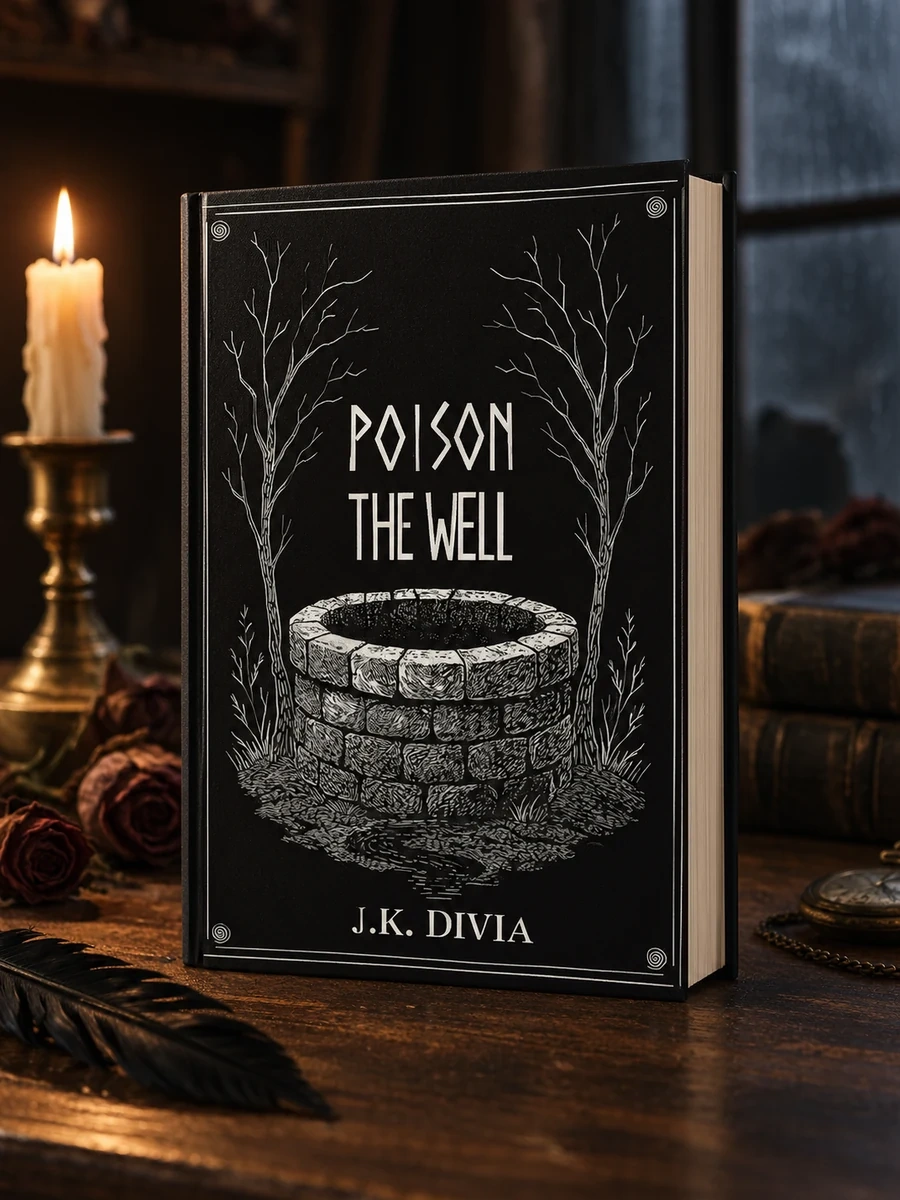
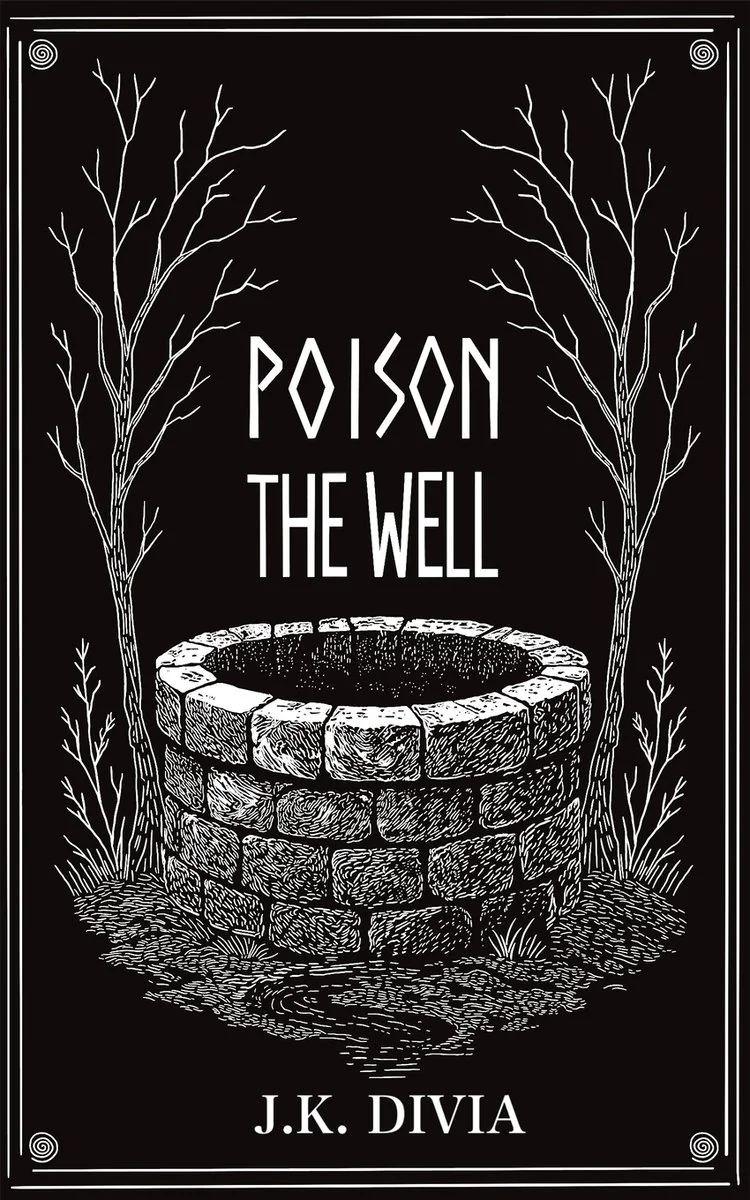
Poison The Well
A gothic tale of a washerwoman confronting a deadly fairy legend.
Emer lives as a simple washerwoman near Lord Cillian’s castle. She hears her grandmother warn about the Bean-nighe, who washes blood from linens before death. Emer’s nightmares blur the line between myth and reality. The story asks if a promise can survive a broken bargain in a greedy world. Divia uses these supernatural elements to create a tense atmosphere. The narrative focuses on Emer’s internal struggle against fate. It avoids typical horror tropes by focusing on psychological dread. The setting is cold and shadowed, reflecting the protagonist’s isolation. The book examines how fear shapes identity and survival.
The story draws on Irish supernatural traditions, specifically the legend of the Bean-nighe. It is set in a gothic environment influenced by Lord Cillian’s castle. The narrative blends fairy lore with themes of greed and ambition. This cultural context grounds the horror in established mythological roots.


📝 Description: Poison The Well
💎 Our verdict on Poison The Well
📖 Why choose it
Why this book is worth reading
Readers seeking atmospheric horror and psychological dread will find this tale compelling, as it avoids typical jump-scare tropes in favor of deep internal conflict. It suits those who appreciate moral dilemmas and the intersection of myth with daily survival under oppressive rule. The narrative appeals to fans of dark fantasy who value character introspection over external conquest. However, it may not satisfy readers preferring fast-paced action or clear-cut heroes. By grounding supernatural elements in cold, shadowed realism, the book offers a tense exploration of how fear shapes identity and survival when facing an unyielding fate.
⭐ Reader reviews
Reader rating
Divia crafts a tense gothic atmosphere where myth bleeds into reality through Emer’s psychological struggle. The text excels at examining how legends grow from seeds of truth, utilizing the Bean-nighe legend to explore destiny versus choice. While the mood is slow and shadowed, reflecting isolation, it effectively builds dread without relying on cheap thrills. This approach suits fans of literary horror and dark fantasy who enjoy moral complexity. It avoids happy endings or heroic triumphs, focusing instead on internal conflict within an oppressive feudal setting. Readers willing to engage with a character-driven narrative will find the exploration of greed, promise, and broken bargains both poignant and chilling.
You might also like
See more →


Have a question about this item?
Ask about the edition, condition, delivery or anything else — we reply by email or phone, usually within a day.
