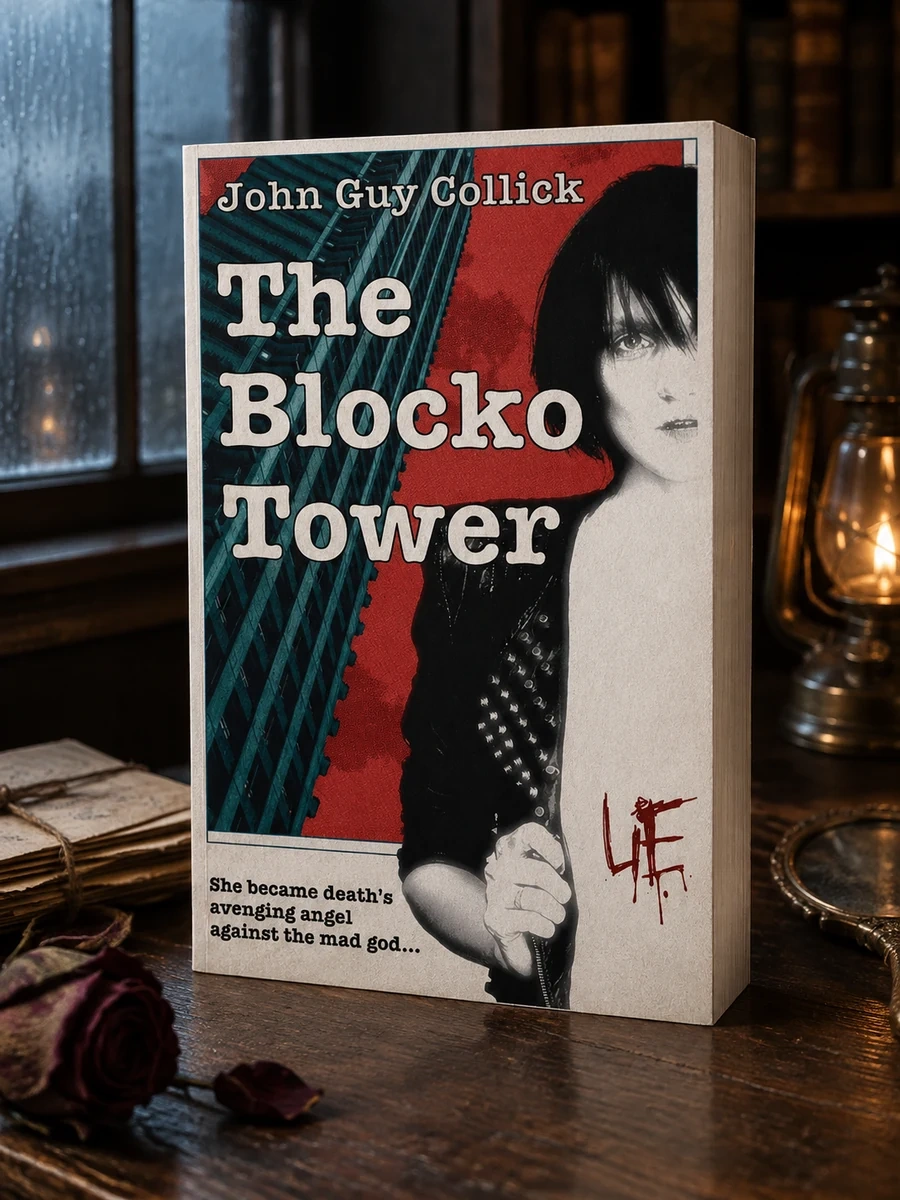
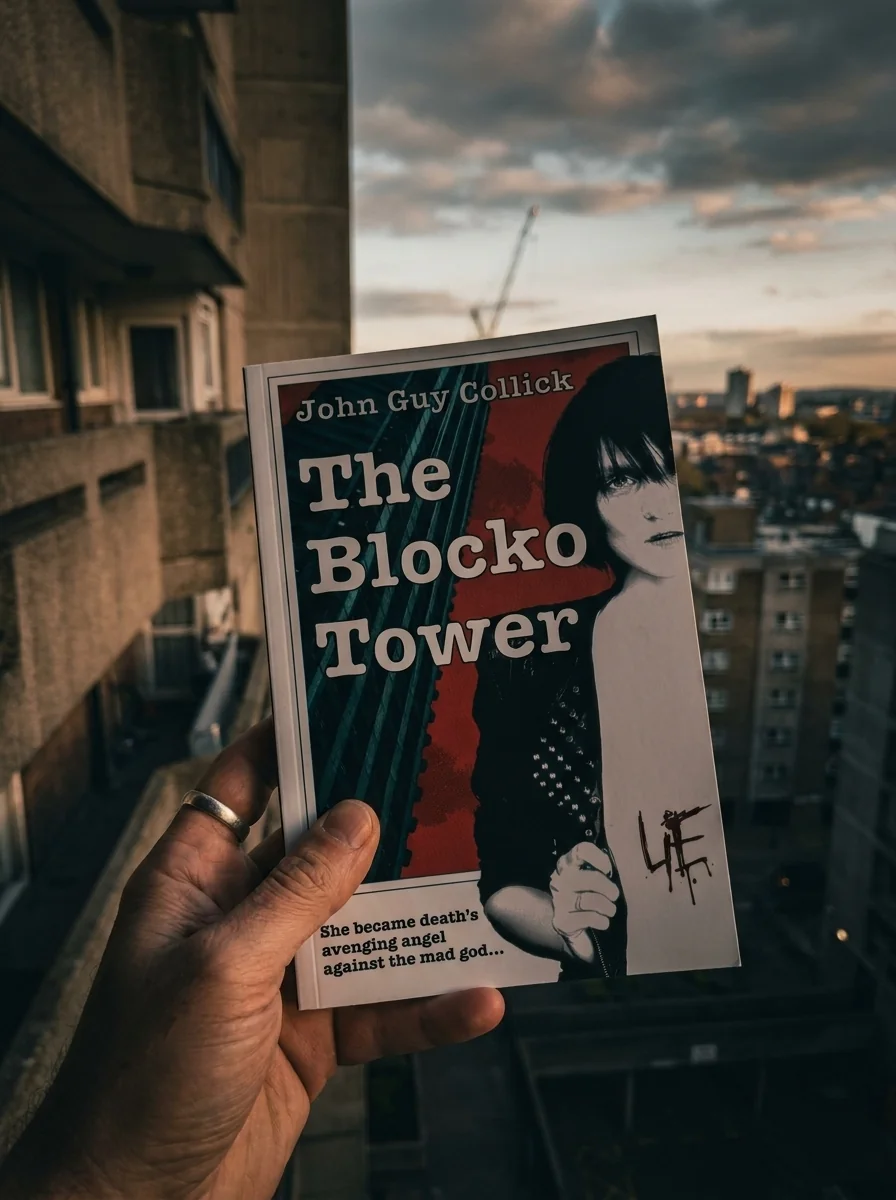
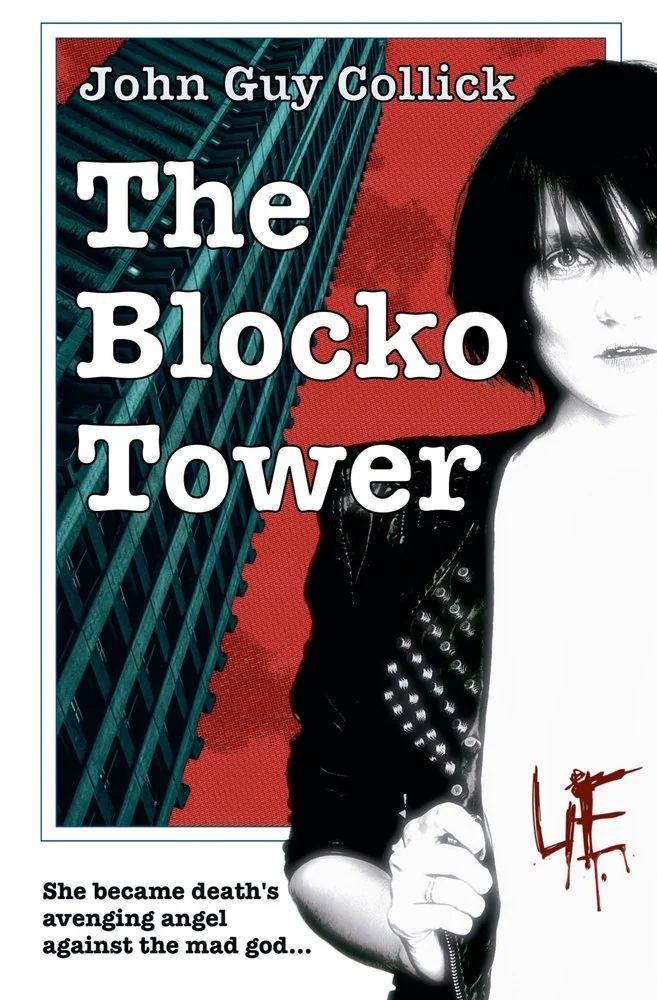
The Blocko Tower
A woman confronts a supernatural tower from her childhood to stop an entity collecting souls.
Sally’s life is defined by a single traumatic event where a playmate vanished. Her friend Eva identified The Blocko Tower as the culprit, but society labeled Sally a liar for believing her. Years pass until the tower reappears elsewhere, forcing Sally to act. She learns that an evil entity uses these abductions to gather souls for universal subjugation. The only path to stopping this force requires Sally to become death's avenging angel. This plot emphasizes personal agency against cosmic horror. It connects individual grief with broader supernatural stakes. The narrative relies on the tension between dismissed childhood truths and adult realities.
This 2025 release by John Guy Collick fits within the contemporary dark fantasy and horror genres. It draws on gothic fiction traditions where past traumas manifest as present supernatural threats. The story reflects modern interest in psychological horror and the power of memory.


📝 Description: The Blocko Tower
💎 Our verdict on The Blocko Tower
📖 Why choose it
Why this book is worth reading
Readers who appreciate the intersection of gothic atmosphere and cosmic horror will find this narrative compelling. It appeals to those interested in stories where individual grief expands into universal stakes, offering a unique perspective on how dismissed childhood truths can manifest as tangible supernatural threats. The focus on personal agency against an overwhelming evil provides a satisfying emotional arc for fans of dark fantasy. Those who enjoy psychological depth alongside violent redemption will find the protagonist's transformation from a marginalized child to death's avenging angel particularly resonant. It is ideal for audiences seeking horror that explores memory, reality, and the power of belief in the face of cosmic subjugation.
⭐ Reader reviews
Reader rating
Collick crafts a tense narrative that effectively merges personal trauma with cosmic horror, creating a distinct atmospheric weight. The book succeeds in portraying the isolation of having one's childhood experiences invalidated by society, turning that psychological wound into a weapon against supernatural evil. The shift from gothic mystery to dark fantasy action is handled with clear thematic intent, emphasizing redemption through violent means. This approach suits readers who prefer horror rooted in emotional resonance rather than mere shock value. While it lacks the breadth of some epic fantasies, its focused exploration of memory and reality makes it a potent entry for fans of psychological dread and supernatural retribution.