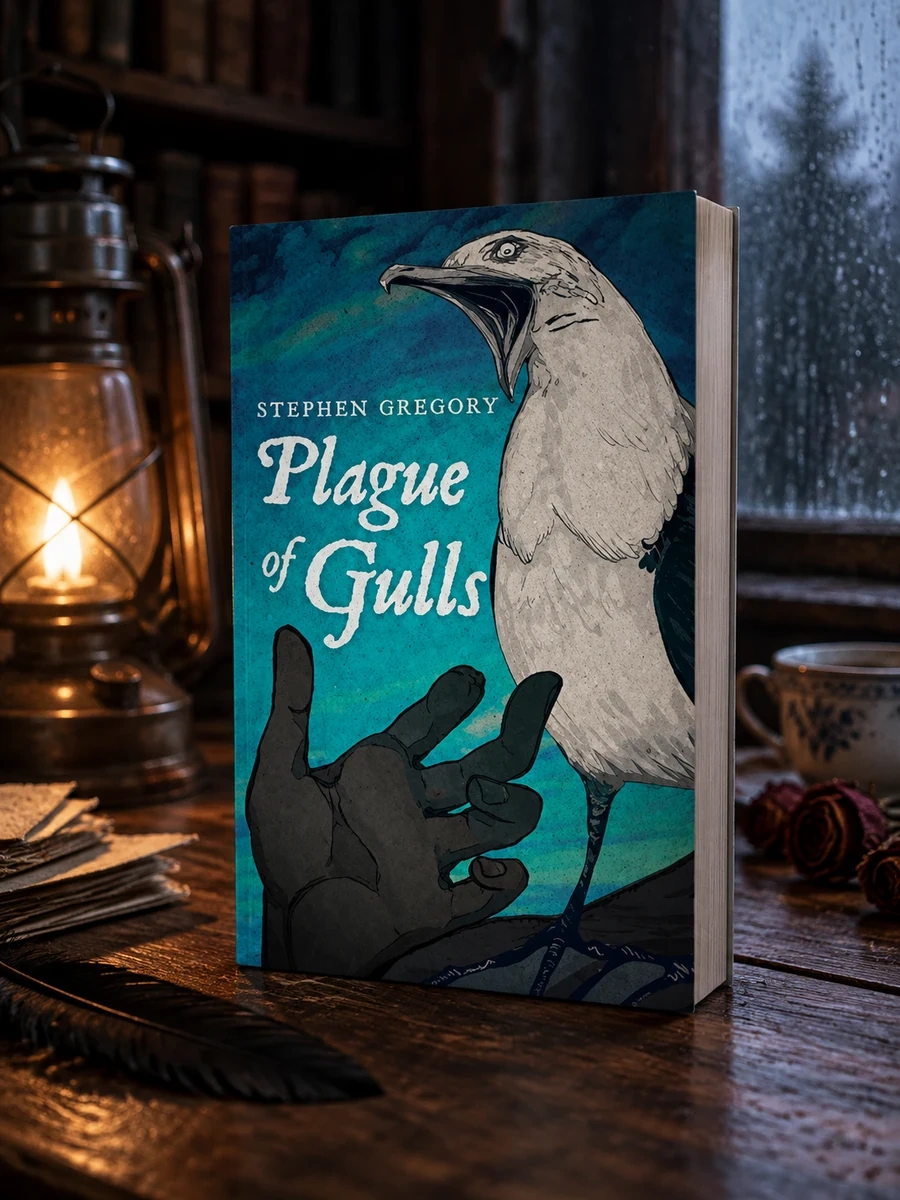

Plague of Gulls
A young man suspects he causes death after receiving a cursed gull.
Gregory explores the intersection of grief and supernatural influence through David Kewish’s experience. The narrative avoids simple monster tropes, instead focusing on psychological unease. The seaside setting amplifies feelings of isolation and vulnerability. Readers interested in slow-burn horror will find value here. Those preferring fast-paced action might feel frustrated by the pacing. The book challenges assumptions about causality and blame. It presents a world where logic fails against ancient forces. The gull symbolizes both innocence and impending doom. Gregory’s background in horror fiction informs the tone. He avoids clichés by keeping the threat ambiguous. The story resonates with fans of literary horror. It offers a chilling look at community paranoia.
This novel sits within the tradition of American gothic horror, published by Valancourt Books in 2021. It draws on classic supernatural fiction where nature acts as an agent of chaos. The seaside setting reflects longstanding literary themes of isolation and the uncanny. Gregory’s work aligns with contemporary revivals of atmospheric dread.


📝 Description: Plague of Gulls
💎 Our verdict on Plague of Gulls
📖 Why choose it
Why this book is worth reading
Readers who appreciate slow-burn horror and atmospheric dread will find significant value in this narrative. It appeals to those interested in the intersection of grief and supernatural influence, offering a chilling exploration of community paranoia and isolation. Fans of literary horror who enjoy ambiguous monsters and psychological unease will appreciate Gregory’s precise prose. The book is ideal for audiences seeking a tale where logic fails against ancient forces, rather than those craving fast-paced action or clear resolutions. It offers a lingering sense of dread that challenges assumptions about causality and blame.
⭐ Reader reviews
Reader rating
Gregory crafts a tense, claustrophobic atmosphere where the seaside setting amplifies feelings of vulnerability. The narrative avoids simple monster tropes, focusing instead on psychological unease and the weight of unexplained events. The gull serves as a potent symbol of both innocence and impending doom, remaining a silent witness to chaos. While the pacing may frustrate readers preferring immediate thrills, the story rewards patience with profound insights into grief and fate. It is a subtle, unsettling work that lingers in the mind, perfect for those who enjoy ambiguous endings and literary depth over gratuitous horror.
📖 Read on the blog
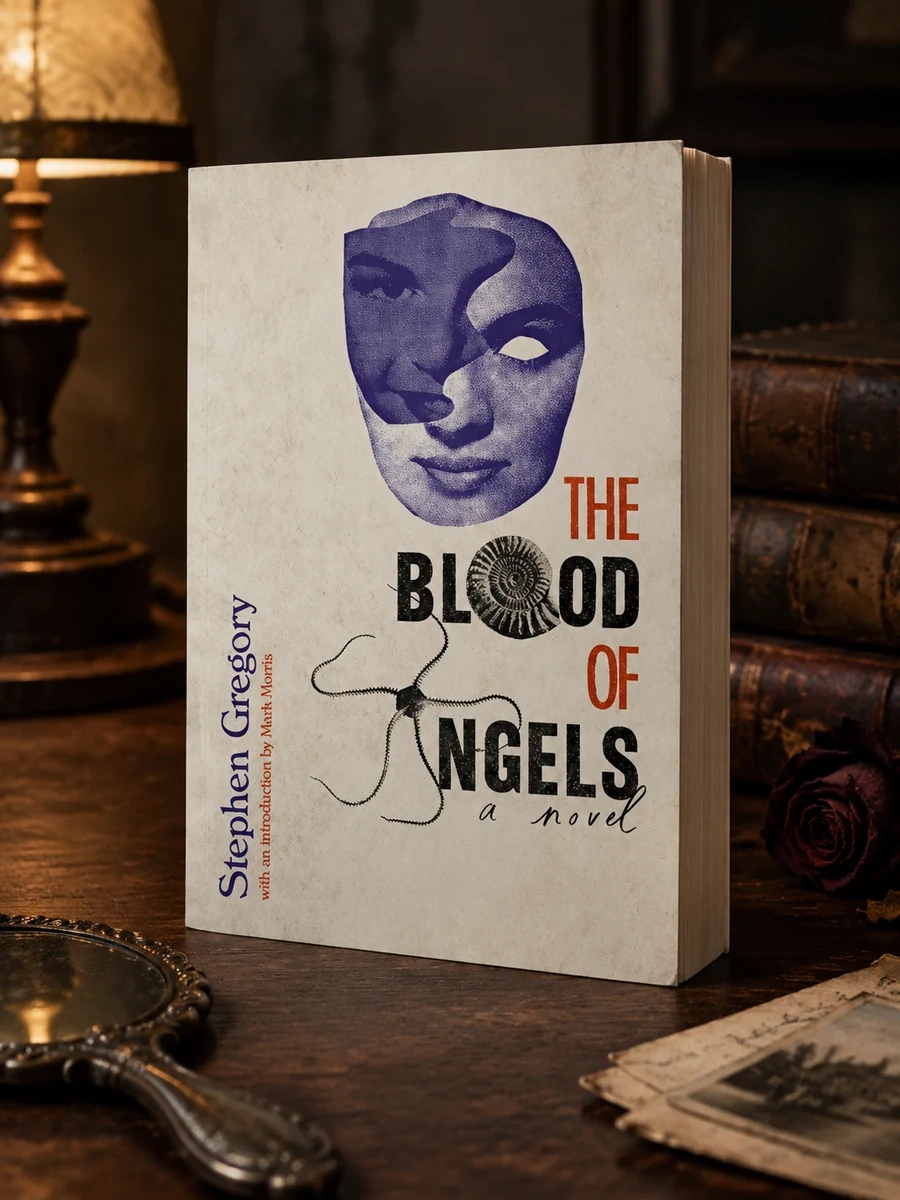
✍️ More books by this author Stephen Gregory




🏛 Books from this publisher Valancourt Books



You might also like
See more →



Have a question about this item?
Ask about the edition, condition, delivery or anything else — we reply by email or phone, usually within a day.
