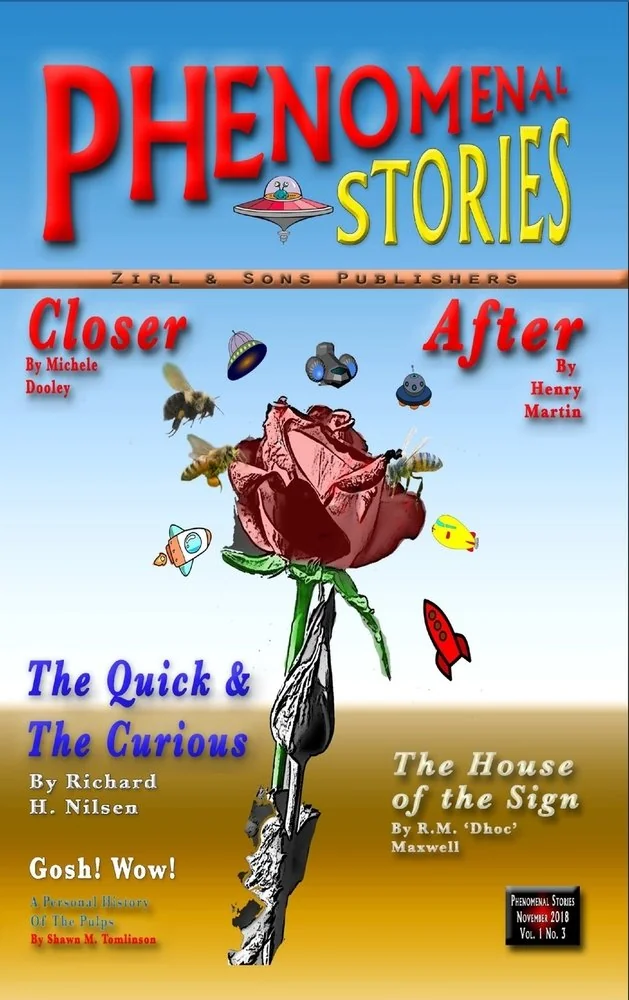
Phenomenal Stories, Vol. 1, No. 3 - Special Collectors' Edition
A modern tribute to 1920s pulp magazines featuring cyberpunk and horror fiction.
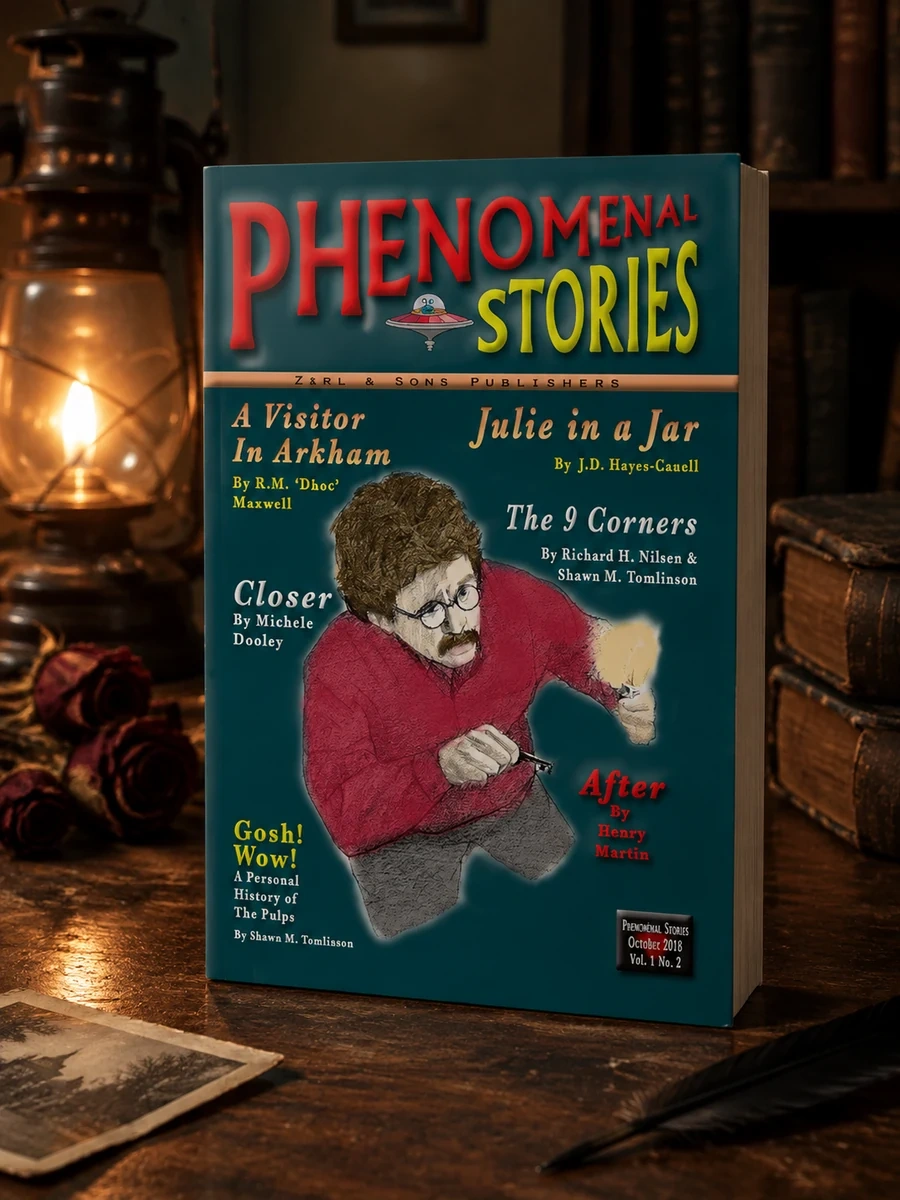
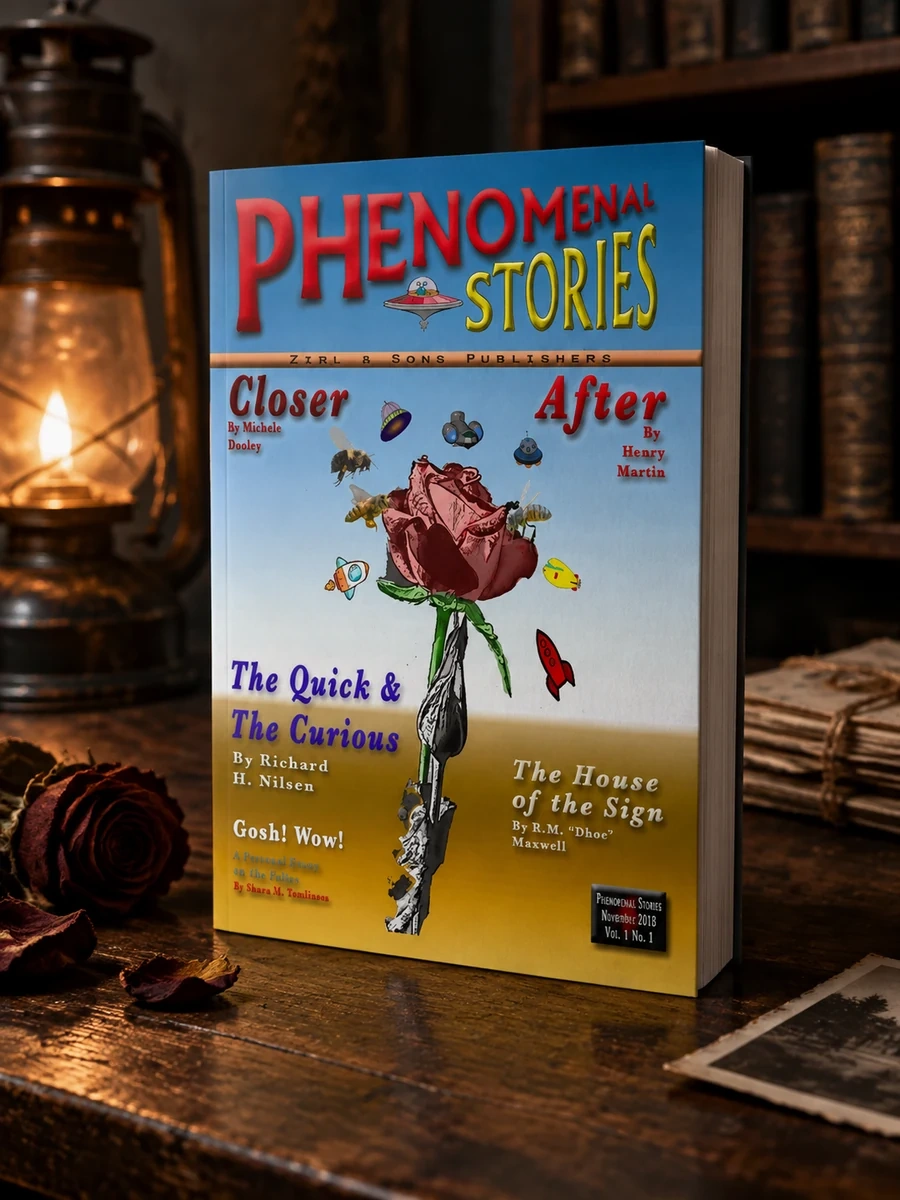
This edition functions as a curated anthology that bridges early twentieth-century pulp traditions with modern speculative writing. Tomlinson organizes the content to mirror the eclectic nature of vintage periodicals, mixing serialized fiction with editorial essays. The text includes the final segment of Closer, a cyberpunk narrative, and the continuing portion of After, which deals with apocalyptic themes. Richard H. Nilsen contributes The Quick & the Curious, while Robert W. Chambers influences The House of the Sign through its characters Robert and Cara. The volume also features critical analysis in That Lovecraft Bunch and historical reflection in Gosh! Wow! A Personal History of the Pulps. This combination allows readers to engage with both the creative output and the historical framework that defines the genre.
This work positions itself as a modern-day tribute to the science fiction, horror, fantasy, and speculative pulp magazines published during the 1920s, 1930s, and 1940s. It draws directly on the stylistic and structural traditions of that specific era to frame its contemporary contributions.


📝 Description: Phenomenal Stories, Vol. 1, No. 3 - Special Collectors' Edition
💎 Our verdict on Phenomenal Stories, Vol. 1, No. 3 - Special Collectors' Edition
📖 Why choose it
Why this book is worth reading
Readers who appreciate the aesthetic and structural quirks of early speculative fiction will find this collection rewarding for its deliberate emulation of vintage periodicals. It offers a unique dual experience, combining original serialized narratives with critical essays that contextualize the work within literary history. Those interested in the evolution of cyberpunk and apocalyptic themes, particularly through the lens of classic horror influences, will gain insight into how past genres inform modern storytelling. The inclusion of retrospective commentary provides depth for enthusiasts who value understanding the lineage of their favorite tropes. It is ideal for collectors and scholars of genre evolution rather than casual readers seeking standalone novels or mainstream bestsellers.
⭐ Reader reviews
Reader rating
Tomlinson successfully crafts a tribute to the golden age of pulp magazines by blending original fiction with historical analysis. The volume effectively bridges the gap between early twentieth-century traditions and modern speculative writing, offering a rich tapestry of cyberpunk and horror narratives. The inclusion of Robert W. Chambers-inspired works alongside critical essays on Lovecraft creates a layered reading experience that appeals to genre historians. While it may not suit those preferring contemporary mainstream fiction, it excels in its specific niche. The structure mirrors vintage periodicals, providing both entertainment and educational value for dedicated fans of the genre's past.