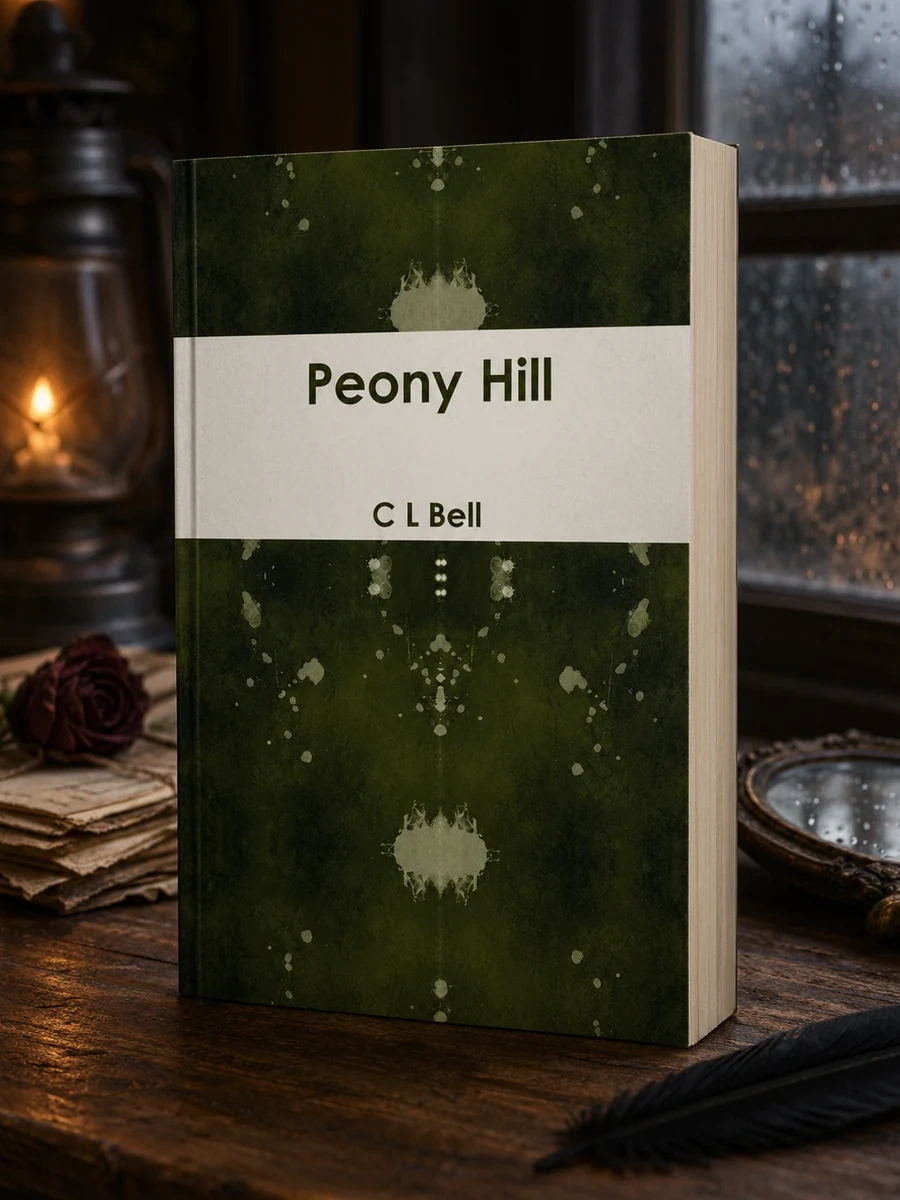
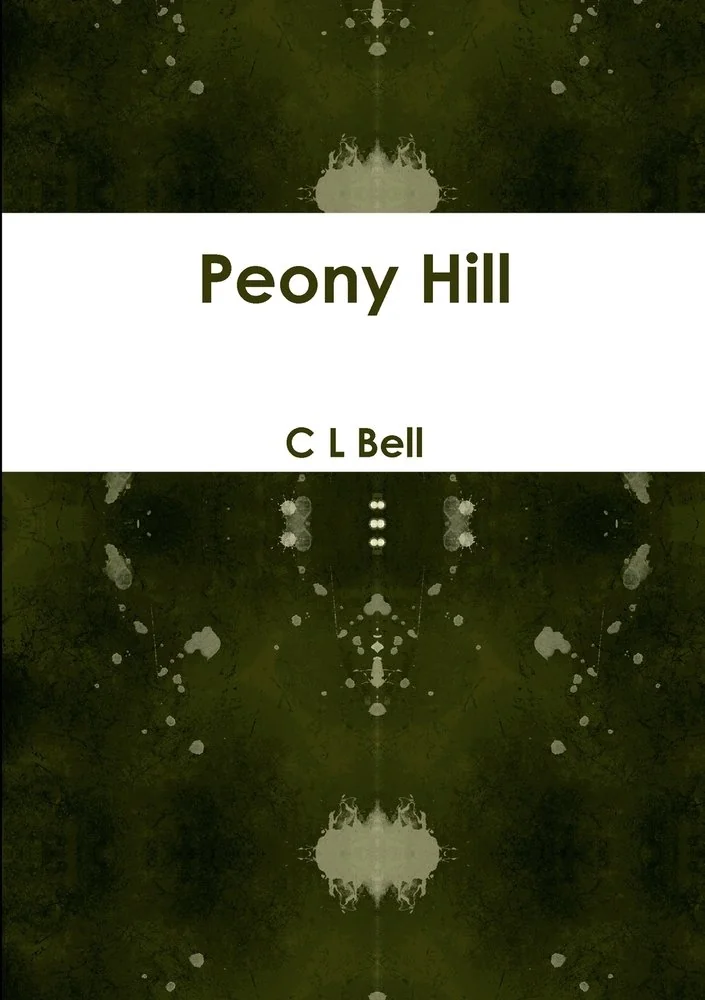
Peony Hill
A thriller about ghosts from an old asylum haunting new residents.
This book investigates the intersection of historical trauma and modern domestic life through a supernatural lens. Bell uses the setting of Peony Hill to explore how land remembers violence. The narrative does not rely on jump scares but rather on the persistent presence of spirits who refuse to leave their former home. The story highlights the disconnect between the families' expectations of peace and the reality of the asylum's legacy. By focusing on five specific households, the author demonstrates the widespread impact of the haunting. The 1938 timeline provides context for the current disturbances, showing that the past is never truly gone.
The novel sits within the American paranormal thriller tradition, drawing on the trope of haunted institutions. It references the specific period of the 1930s and the subsequent decades following the closure of Arrington Hall. The work engages with the cultural fear of institutional neglect and the lingering effects of past atrocities on contemporary communities.


📝 Description: Peony Hill
💎 Our verdict on Peony Hill
📖 Why choose it
Why this book is worth reading
This book is ideal for adults seeking a chilling account of supernatural intrusion into domestic life, particularly those interested in how historical trauma intersects with modern living. Readers who appreciate narratives that ground their horror in specific timelines and institutional histories will find value in the exploration of how land remembers violence. It suits those who prefer psychological depth over jump scares, offering a persistent presence of spirits rather than fleeting shocks. The alternating timeline structure provides context for current disturbances, appealing to readers who enjoy understanding the roots of supernatural phenomena through historical lenses.
⭐ Reader reviews
Reader rating
Bell effectively structures the work to contrast modern residents' discoveries with historical atrocities, creating a cohesive narrative about unresolved trauma. By focusing on five specific households, the author demonstrates the widespread impact of the haunting, avoiding reliance on jump scares in favor of persistent spiritual presence. The text draws strongly on the tradition of haunted house narratives involving institutional settings. This approach allows readers to see how the land retains its dark history despite the passage of time. It is best suited for those interested in the physical and spiritual consequences of past actions, offering a grounded, atmospheric experience that highlights the disconnect between expectations of peace and the reality of a violent legacy.
📖 Read on the blog
🏛 Books from this publisher Lulu.com






You might also like
See more →


Have a question about this item?
Ask about the edition, condition, delivery or anything else — we reply by email or phone, usually within a day.
