Obsession
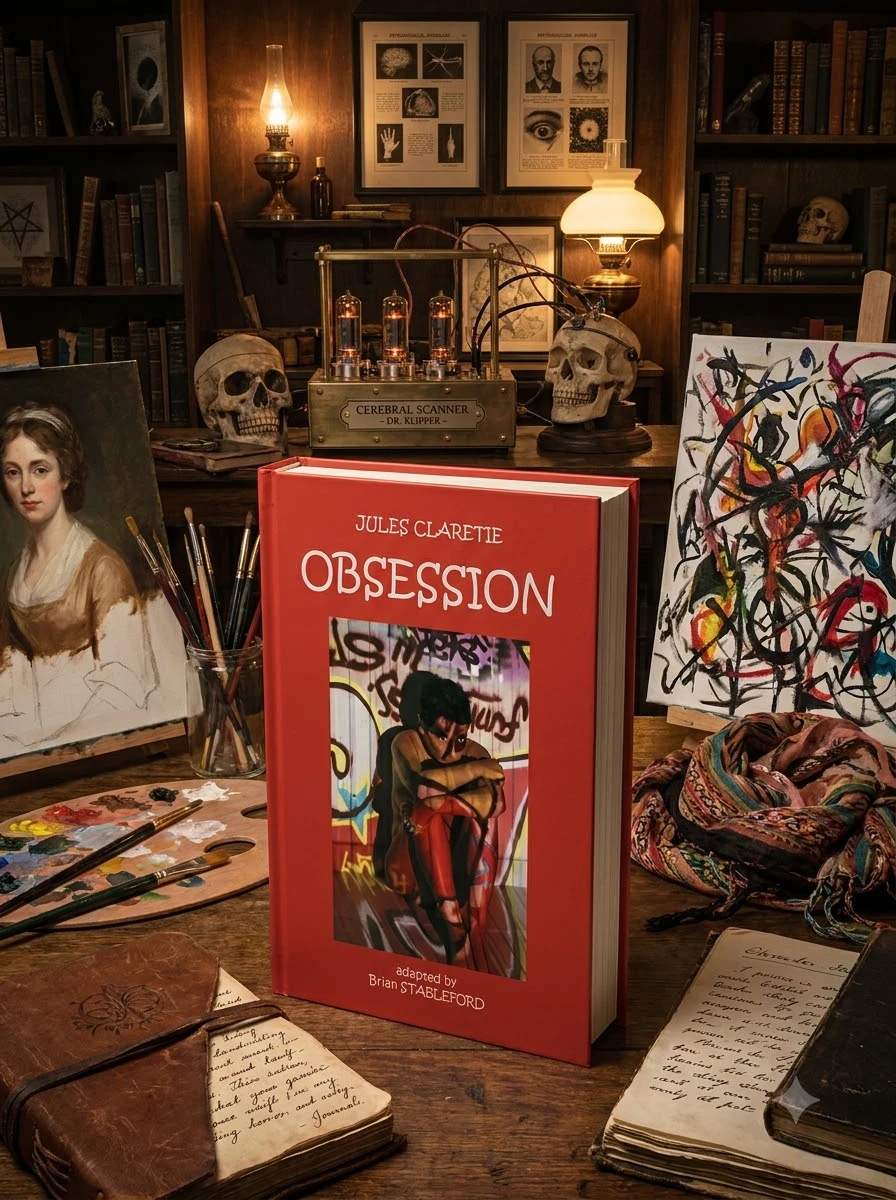
A cursed artist splits into two lives, seeking a mad doctor's cure.
Claretie examines the intersection of art and madness through Andre Fortis. The protagonist loses control to an alter ego with different creative drives. Dr. Klipper offers a technological solution involving brain-reading devices. This setup critiques the hubris of scientific inquiry during the era. The story highlights how obsession can fracture identity. It connects 1908 concerns about mental health to earlier literary precedents. The narrative does not resolve neatly, leaving the reader with questions about the nature of self.
Published in 1908, this work sits between the Victorian Gothic tradition and early modern psychology. It references Strange Case of Dr Jekyll and Mr Hyde while anticipating later discussions of mental health. The book reflects late nineteenth-century anxieties about scientific progress and its potential to disrupt human identity.


📝 Description: Obsession
💎 Our verdict on Obsession
📖 Why choose it
Why this book is worth reading
Readers interested in the historical evolution of psychological horror will find this text compelling. It offers a unique perspective on the intersection of art and madness, presenting a protagonist whose identity fractures under obsessive pressure. The narrative appeals to those who enjoy exploring the limits of scientific intervention in human behavior. By examining the clash between supernatural duality and clinical diagnosis, it provides insight into period-specific fears about mental health. The story avoids neat resolutions, inviting readers to ponder the elusive nature of self-identity. It is ideal for scholars or enthusiasts of dark fantasy who appreciate nuanced examinations of the 'evil twin' trope within a medical horror context.
⭐ Reader reviews
Reader rating
Claretie delivers a striking study of identity dissolution through Andre Fortis’s ordeal. The novel excels in its atmospheric portrayal of scientific hubris, using Dr. Klipper’s brain-reading devices to critique contemporary medical practices. While the stylistic approach may feel dated to modern thriller enthusiasts, it remains a vital artifact for Gothic fiction lovers. The text successfully merges supernatural dread with psychological depth, avoiding simple categorization. It suits readers who appreciate historical literary precedents and complex explorations of multiple personality syndrome. The ambiguous ending lingers effectively, challenging assumptions about sanity and artistry without offering easy answers.
📖 Read on the blog
🏛 Books from this publisher Hollywood Comics


You might also like
See more →



Have a question about this item?
Ask about the edition, condition, delivery or anything else — we reply by email or phone, usually within a day.
