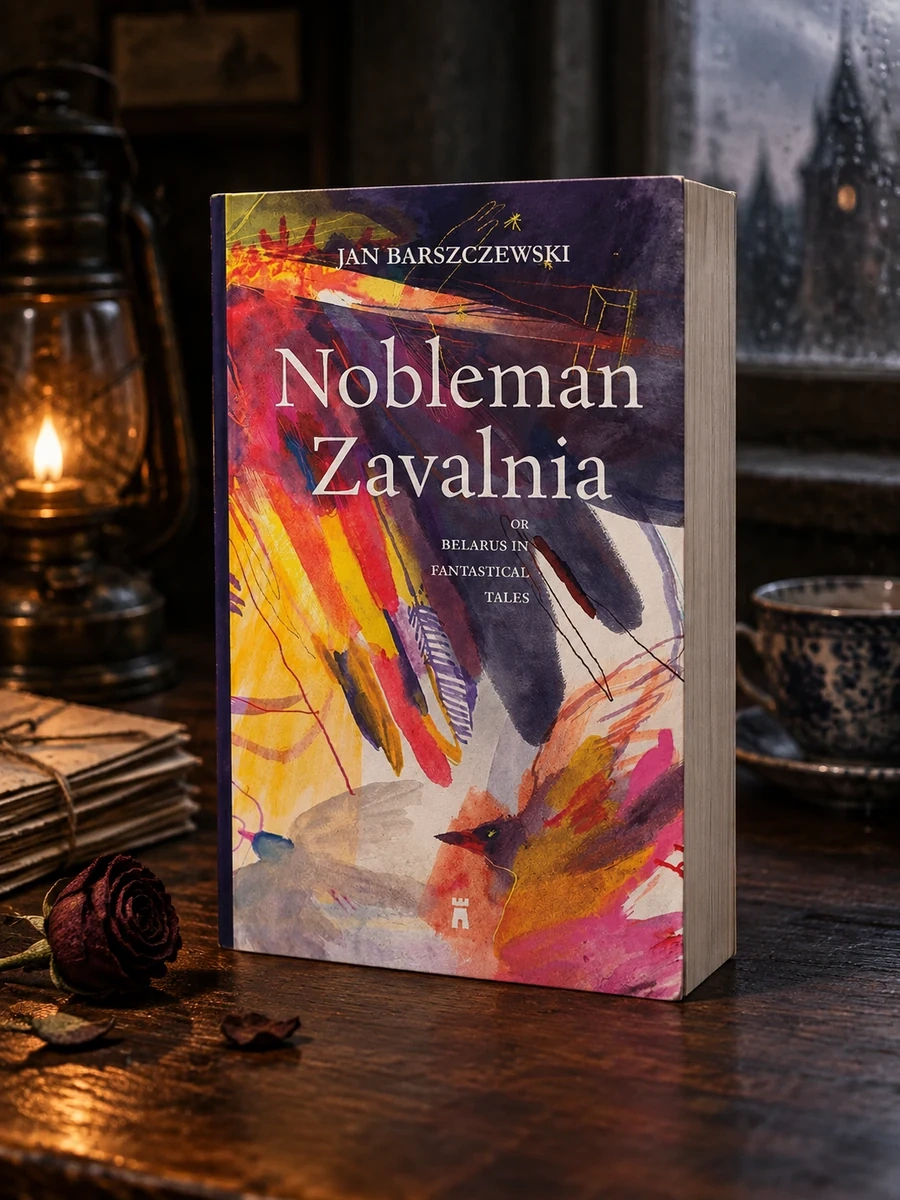
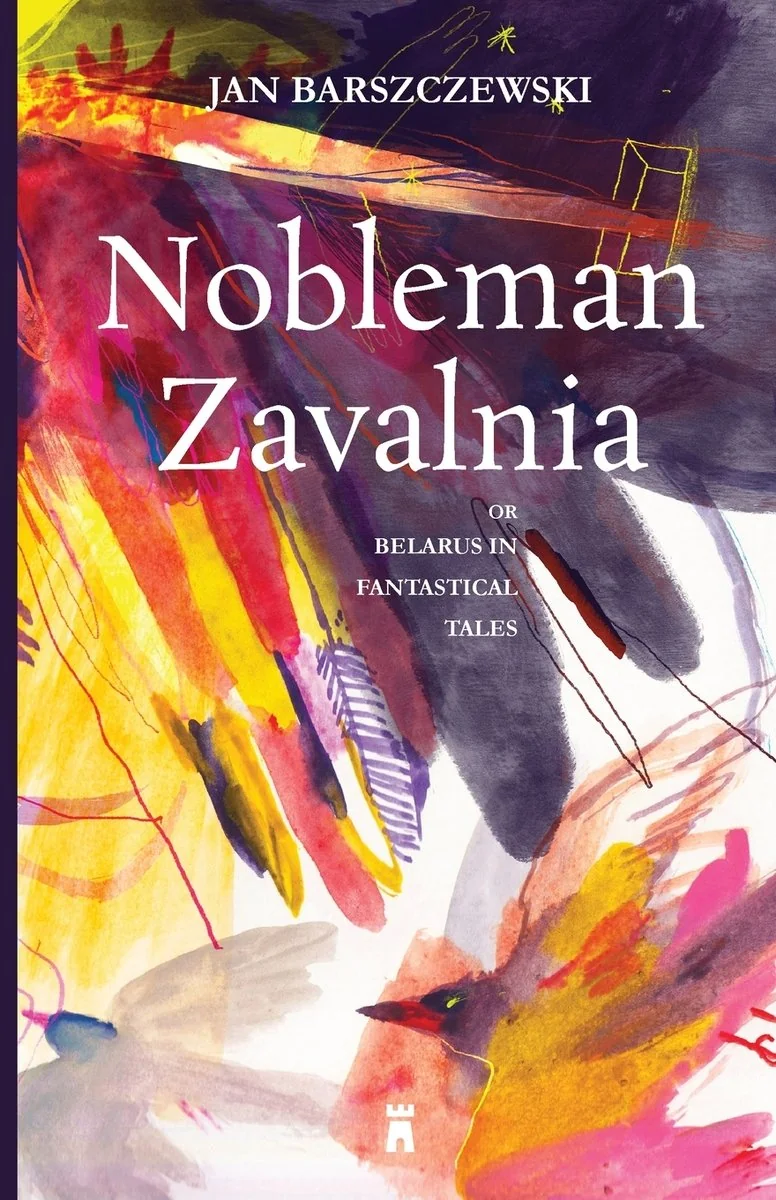
Nobleman Zavalnia or Belarus in Fantastical Tales
First English translation of Jan Barszczewski's 1844 gothic folk horror collection.
Barszczewski wrote these tales four decades after the Russian annexation of Belarusian lands. The narratives serve as encrypted memories for a population under political pressure. By setting the stories in 1817, the author captures the anxiety of a year without a summer. The hearth gatherings provide a space for marginalized voices to speak through fantasy. The inclusion of companion tales expands the scope of this literary artifact. It stands as a significant example of early Belarusian literature that merges political allegory with supernatural elements.
This 1844 work sits at the intersection of nineteenth-century Eastern European literature and gothic fiction. It reflects the cultural landscape of Belarus under Russian Empire rule, specifically addressing the loss of autonomy in the Grand Duchy of Lithuania region.


📝 Description: Nobleman Zavalnia or Belarus in Fantastical Tales
💎 Our verdict on Nobleman Zavalnia or Belarus in Fantastical Tales
📖 Why choose it
Why this book is worth reading
Readers interested in the intersection of supernatural folklore and historical trauma will find this collection uniquely valuable. It offers a rare window into early Belarusian literature, presenting stories that encode the anxieties of a population under imperial rule through gothic imagery. Those who appreciate literary artifacts where political resistance is masked by fantasy will gain insight into how marginalized voices preserved their culture. The deliberate pacing suits those seeking depth over immediate thrills, rewarding patience with a profound understanding of identity preservation. It is essential for scholars and enthusiasts of European voodoo aesthetics and the broader context of post-Napoleonic Eastern Europe.
⭐ Reader reviews
Reader rating
Barszczewski’s collection stands as a significant literary artifact, merging oral tradition with gothic imagination to reflect societal struggles under serfdom and annexation. The framing device of hearth gatherings allows diverse voices to speak through uncanny landscapes, creating a dense tapestry of political allegory disguised as folk horror. While the pacing is deliberate rather than fast-paced, this suits readers seeking historical witness and cultural preservation. The inclusion of companion pieces expands the scope, offering a comprehensive view of early nineteenth-century anxiety. It excels in atmospheric world-building and subtle resistance, appealing to those who value literary depth and historical context over conventional thriller elements.
You might also like
See more →





Have a question about this item?
Ask about the edition, condition, delivery or anything else — we reply by email or phone, usually within a day.
