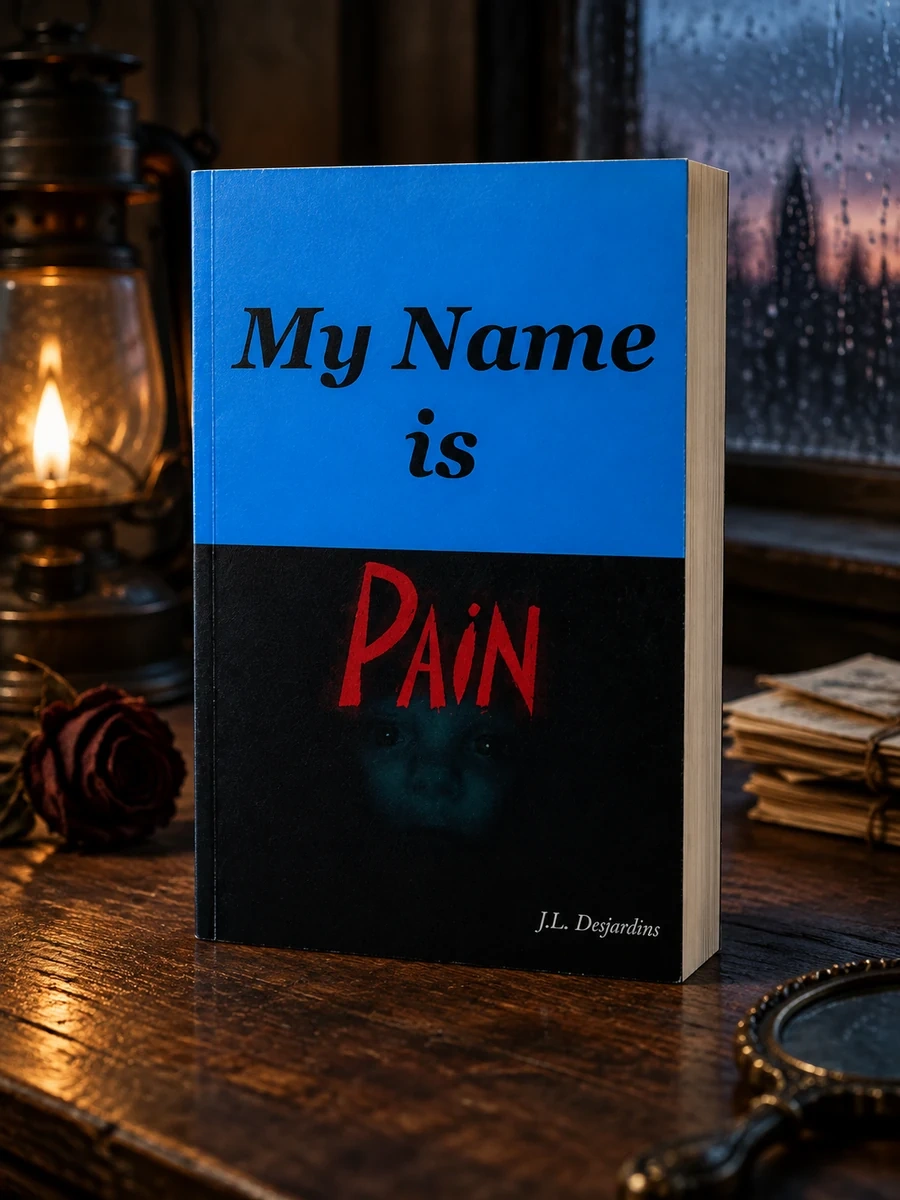

My Name Is Pain
A first-hand account of a woman confronting systemic failure after returning home.
Desjardins uses her personal history to critique the R.C.M.P. for allowing evidence of serious crimes to collect dust. The work highlights the disconnect between official reports and actual protection, showing how victims are abandoned by the very systems meant to help them. It serves as a stark record of institutional neglect in cases involving gang rapes and murder within close-knit areas.
Published in 2005 by Authorhouse, this work addresses the specific legal and social landscape of Canada during the late 1990s. It reflects the period when detailed statements given to the R.C.M.P. were ignored, highlighting a gap in justice for victims of violent crimes in rural or small towns.


📝 Description: My Name Is Pain
💎 Our verdict on My Name Is Pain
📖 Why choose it
Why this book is worth reading
Readers seeking a stark, unvarnished look at institutional failure will find this account compelling. It is ideal for those interested in true crime narratives that delve beyond surface-level details to examine the dynamics of small communities where abuse is normalized. The book serves as a critical examination of how legal recourse can be absent even with clear evidence, making it valuable for individuals studying social justice issues and the psychological impact of trauma on victims who are abandoned by protective systems.
⭐ Reader reviews
Reader rating
Desjardins delivers a harrowing, factual account that challenges the reader to confront the reality of systemic neglect. By detailing her struggle against an unresponsive justice system, the author highlights the disconnect between official reports and actual protection for victims. The narrative is distinct in its reliance on factual recounting rather than supernatural elements, offering a raw exploration of gang rape and murder cases ignored by authorities. It suits readers who prefer hard-hitting social commentary over traditional horror tropes, providing a poignant record of how perpetrators can live openly while witnesses remain complicit through silence.
📖 Read on the blog
🏛 Books from this publisher Authorhouse








You might also like
See more →




Have a question about this item?
Ask about the edition, condition, delivery or anything else — we reply by email or phone, usually within a day.
