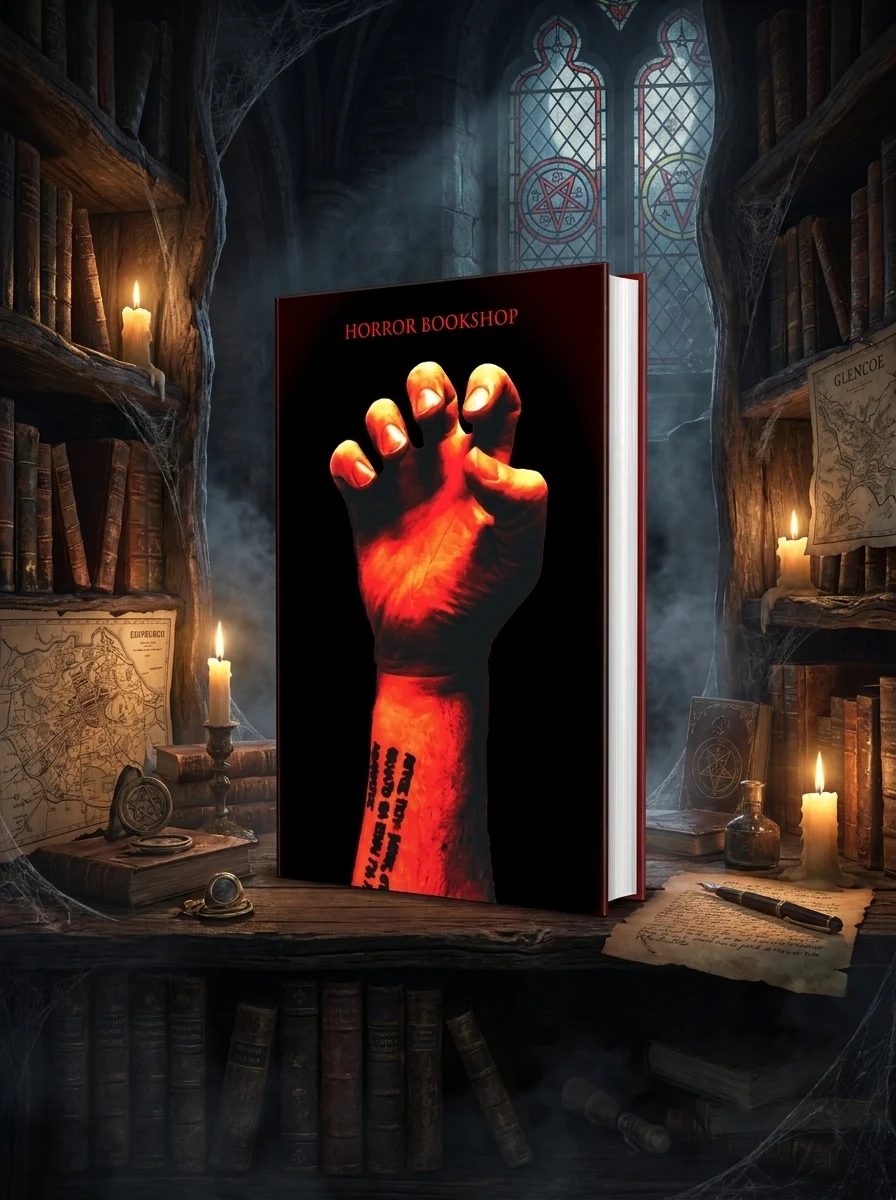
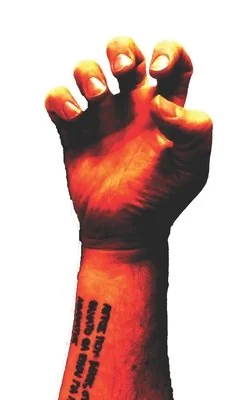
Mortem
A dual-timeline horror novel merging fifteenth-century immortality with twentieth-century temporal trauma.
McDougall constructs a narrative where time loses its linear function. Cooper’s eternal existence in Glencoe contrasts sharply with Kevin’s fractured perception of reality in Edinburgh. Both men face isolation, but their methods of coping differ significantly. Cooper relies on memory reconstruction to stave off madness, while Kevin battles an enemy he cannot see or touch. The book examines how past actions echo into the present, creating a loop that traps its characters. McDougall uses the stark landscapes of Scotland to mirror the internal desolation of his protagonists. The story does not offer escape, but rather a deep immersion into the psychological cost of surviving beyond one’s natural limits.
The narrative is rooted in the Scottish landscape, specifically Edinburgh and Glencoe. It bridges the fifteenth century with the twentieth, using these periods to explore myth and history. The setting provides a backdrop of mystery and isolation that defines the tone.


📝 Description: Mortem
💎 Our verdict on Mortem
📖 Why choose it
Why this book is worth reading
Readers who appreciate slow-burn psychological horror and the fusion of historical settings with supernatural dread will find this work deeply resonant. The narrative offers a unique exploration of time as a non-linear force, trapping characters in loops of their own making. Those interested in the Nietzschean warning that confronting monsters risks becoming one will engage with the text’s thematic depth. It suits those willing to endure an ambiguous ending for the sake of atmospheric immersion rather than clear resolution. The stark isolation of Glencoe and Edinburgh serves as a perfect backdrop for examining the internal decay of protagonists surviving beyond natural limits, providing a grim but compelling study of madness.
⭐ Reader reviews
Reader rating
McDougall successfully constructs a dual-timeline narrative where time loses its linear function, creating a haunting atmosphere of temporal trauma. The parallel arcs of Cooper’s immortality and Kevin’s fractured reality offer a sophisticated look at isolation and coping mechanisms. The author utilizes the historical weight of Edinburgh and the isolated beauty of Glencoe effectively to mirror the protagonists' internal desolation. This approach avoids modern embellishment, focusing instead on raw psychological fragmentation. While the ambiguous ending may frustrate those seeking action or closure, it perfectly serves the theme of inescapable loops. The work is a dense, atmospheric examination of the cost of surviving beyond one's natural limits, appealing strongly to fans of literary horror and Gothic traditions.
📖 Read on the blog
🏛 Books from this publisher Independently Published








You might also like
See more →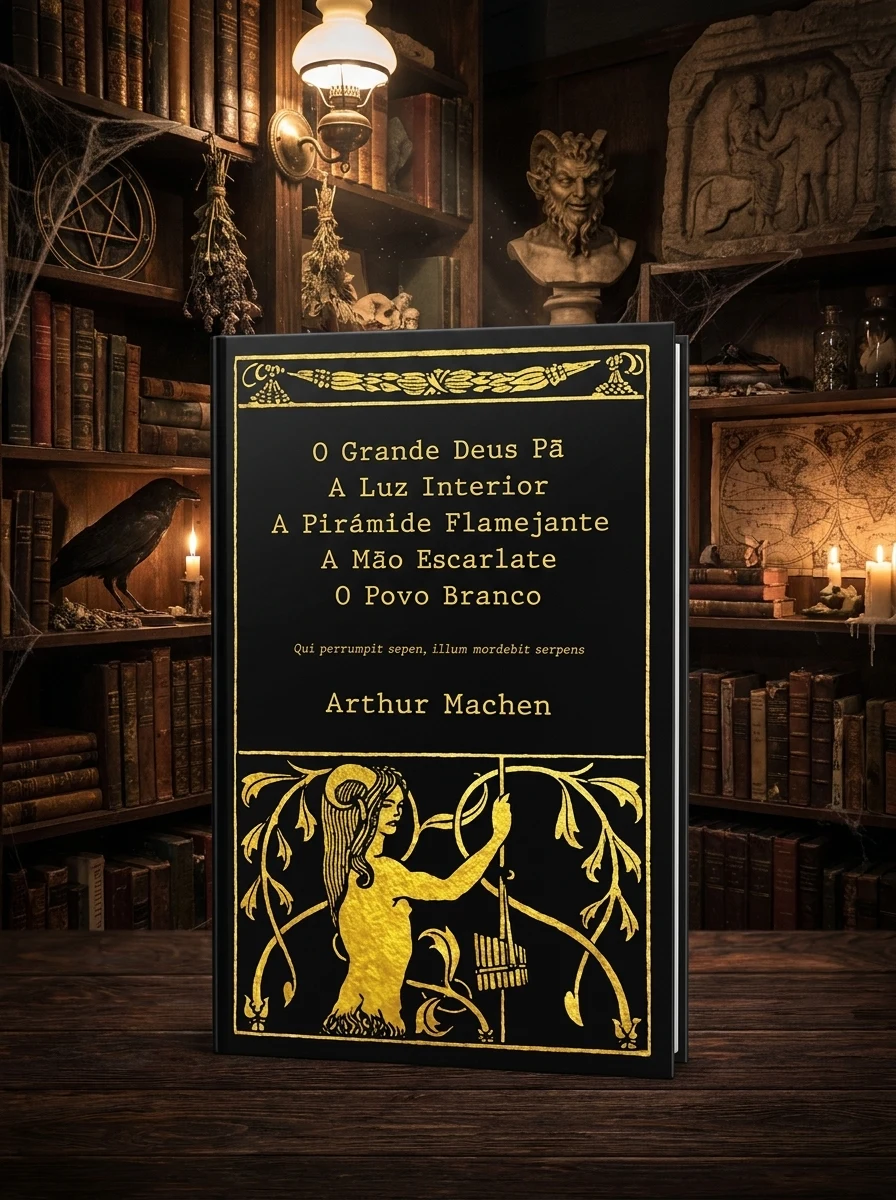


Have a question about this item?
Ask about the edition, condition, delivery or anything else — we reply by email or phone, usually within a day.
